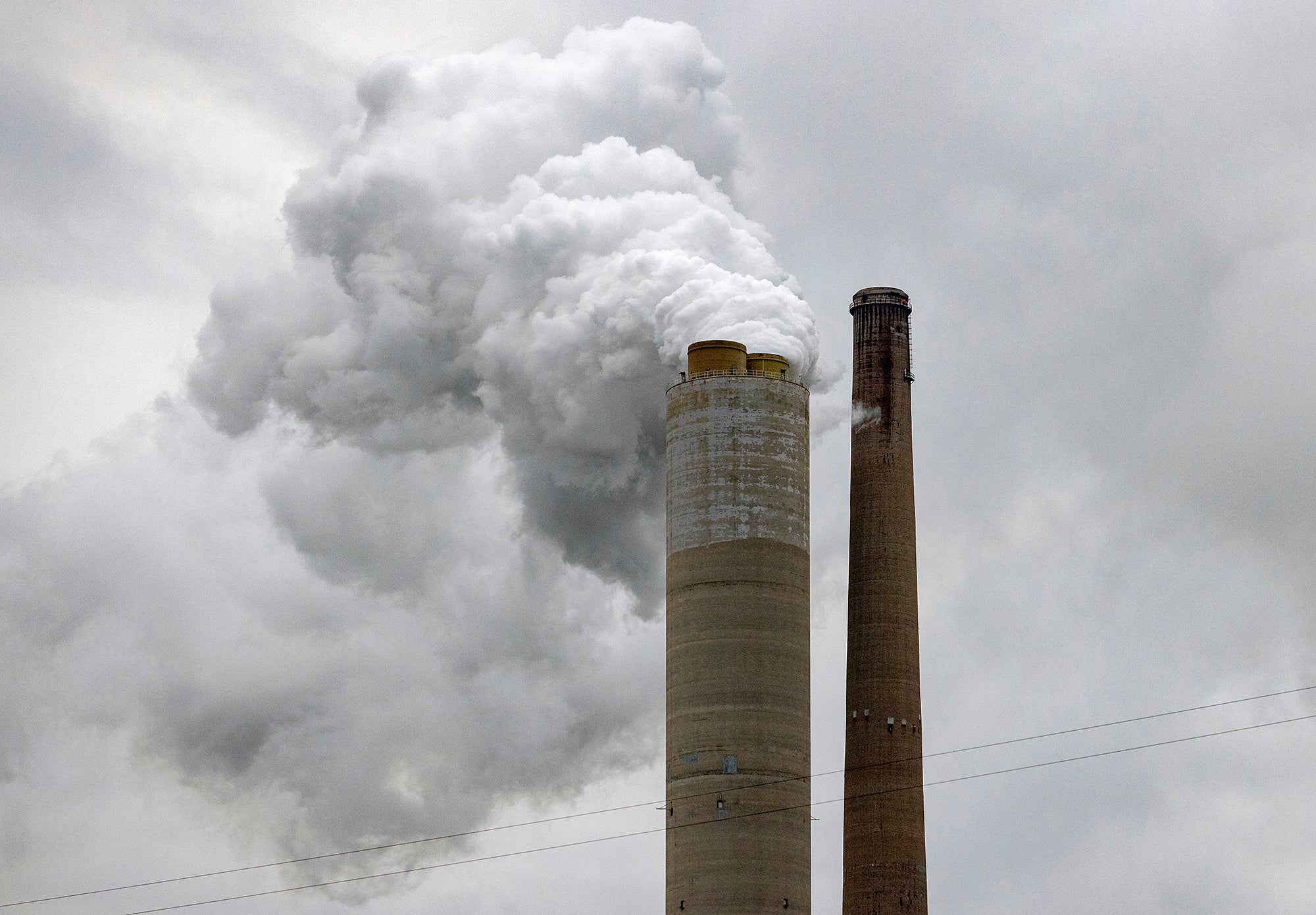
The recent choice by the US Environmental Protection Agency (EPA) to annul a vital 2009 decision, referred to as the ‘endangerment finding,’ has raised considerable alarm over the trajectory of US climate efforts regarding greenhouse gas emissions. This pivotal finding had determined that the escalating levels of greenhouse gases posed a threat to public health, laying the groundwork for the EPA’s power to oversee emissions from transportation and fossil fuel infrastructure. The annulment has ignited legal disputes as it may enable the erosion of emission regulations across various sectors, including power generation, steel production, and cement manufacturing.
The decision to eliminate the endangerment finding jeopardizes endeavors to reduce emissions of noxious gases such as carbon dioxide and methane. It also affects innovation and funding in environmental technologies on both national and global fronts. The finding not only facilitated regulatory actions but also spurred economic growth and industry innovations aimed at managing greenhouse gas emissions.
A particular concern is the oversight of methane emissions, especially from oil and gas facilities. These regulations were anticipated to avert millions of tonnes of methane from being released into the atmosphere. The ambiguity surrounding these policies, which form part of 31 regulatory initiatives set for revision, endangers earlier environmental achievements.
Reports suggest that retaining these regulatory actions could have led to a 44% reduction in US greenhouse gas emissions by 2035. In their absence, reductions may lag significantly behind the country’s pledged targets under global agreements. As transportation represents the largest source of US energy-related emissions, the absence of vehicle emission regulations presents a considerable challenge, potentially impeding advancements expected from new vehicle standards aimed at reducing billions of tonnes of emissions by mid-century.
Despite setbacks at the federal level, states retain options to enact climate-centric policies. The Clean Air Act permits states to manage vehicle usage and encourage zero-emission vehicles via financial incentives. Moreover, states involved in climate coalitions remain dedicated to pursuing decarbonization objectives, crafting tailored policies to uphold market demand for sustainable technologies.
The future of greenhouse gas management may increasingly depend on commercial motivations and international legislation, such as the EU’s carbon border adjustment mechanism, to bridge the void left by federal measures. The longer-term issue is whether subsequent administrations will be able to restore and enhance the abolished obligations, a challenge that will demand considerable efforts and face significant hurdles.