**Pioneering Advances in Feline Oncology: Cats and Human Cancer Genomics**
In a groundbreaking study set to transform oncology, a team of researchers has charted the genetic terrain of feline cancers, highlighting intriguing similarities with human cancer biology. The global collaboration, led by the Wellcome Sanger Institute, represents the most thorough genetic investigation of feline tumors conducted so far. It encompassed the sequencing of tumors and normal tissues from 493 cats suffering from 13 types of cancer, seeking to close the knowledge divide between feline and human oncology.
**Individual Contributions to Science**
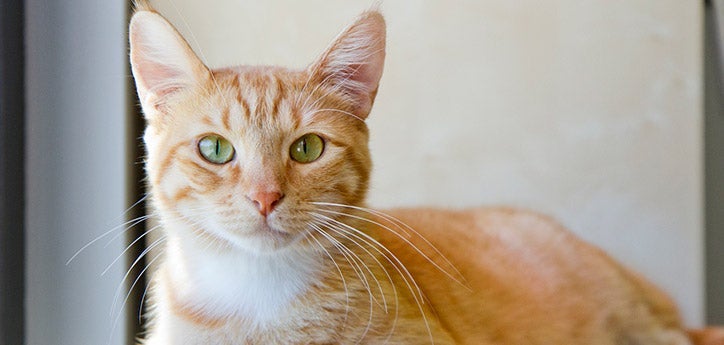
Remarkably, several of the tissue samples originated from the pets of the study’s researchers, emphasizing a profound personal dedication to the research. One of the poignant moments captured in the study is an image of Lanni, a tabby cat owned by Latasha Ludwig, a pathologist at Cornell University and co-author of the paper. The personal significance for the scientists involved highlights the dedication fueling this essential study.
**Rethinking Cancer Models: Surpassing the Mouse Paradigm**
Historically, mice have served as the foundation of cancer research, largely due to their low upkeep and well-established genetic backgrounds. Nevertheless, as Bruce Kornreich from the Cornell Feline Health Center indicates, felines present distinct advantages. Unlike laboratory mice, cats live under real-world conditions analogous to those of humans, consuming processed foods and facing shared environmental influences—elements vital for comprehending the common mechanisms driving cancer in both species.
**Crucial Genetic Insights: Reflecting Human Cancer**
The study uncovers a notable resemblance in cancer-related genetic abnormalities between felines and humans. TP53, a gene mutated in roughly 34% of human cancers, exhibited mutations in 33% of the 493 feline tumors examined. Additionally, the research pinpointed common mutations, such as increases in MYC and losses in PTEN or FAS, with frequencies analogous to findings in human cancer studies.
**Emphasis on Feline Breast Cancer**
Perhaps the most groundbreaking revelations of the study pertain to feline mammary carcinoma, an exceptionally aggressive cancer form. Researchers discovered seven driver genes in these cat tumors, with mutations in FBXW7 being particularly common. This mirrors its significance in human breast cancer prognosis, where FBXW7 is linked to worse outcomes. Notably, cat tumors with these mutations showed increased sensitivity to particular chemotherapy agents, creating potential opportunities for targeted therapies across species.
**The “One Medicine” Philosophy**
This effort highlights the “One Medicine” or “One Health” concept, promoting shared medical knowledge between human and veterinary medicine. Cats, previously overlooked in genomic studies compared to dogs, now emerge as crucial collaborators in translating genetic discoveries into clinical advancements benefiting both humans and animals.
**Distinct Feline Findings**
Not all discoveries were readily translatable; for example, RAS mutations, common in human cancers, seem infrequent in cats. Understanding these variances could reveal new therapeutic targets for humans. The research also identified a significant UV-radiation mutational signature in feline skin cancers, similar to human conditions, further underscoring shared environmental influences.
**A Shared Resource and Future Directions**
The dataset from this study is now publicly available, promoting collaborative discoveries that cross species boundaries. Approximately 14% of the feline tumors harbored mutations deemed actionable by human oncology criteria, enabling existing or developing drugs to potentially be repurposed for feline patients. This research stands to immediately benefit feline patients while potentially innovating human treatments through further cross-species investigations.
Ultimately, the study redefines the domestic cat as not merely a beloved pet but as an essential partner in oncological research, challenging existing perceptions and creating pathways for advancements in cancer therapy. The unassuming house cat, with its shared genetic vulnerabilities, heralds a new era in our comprehension of cancer, offering hope and fresh perspectives in this relentless struggle.