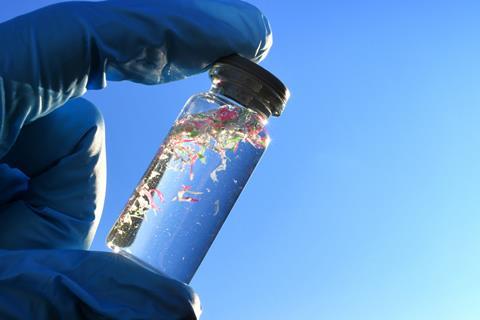
Scientists are increasingly worried that the global issue of plastic pollution might be worsening antimicrobial resistance (AMR). Studies suggest that micro- and nanoplastics could be speeding up the emergence of antibiotic-resistant bacteria. AMR, which led to 1.14 million fatalities in 2021, is generally linked to improper use of antibiotics in medical settings and farming. Nonetheless, plastic pollution might also play a role by aiding the preservation and spread of resistance genes, according to Bing-Jie Ni, an environmental engineer at the University of New South Wales.
Tests in labs and natural environments have demonstrated that these particles can enhance bacterial interactions, generate biological stress that favors gene transfer, and encourage resistant strains. Although the direct risk to human health remains uncertain, these discoveries raise concerns about plastic pollution intensifying the AMR emergency, with forecasts indicating 39 million deaths from AMR over the next 25 years.
Research indicates that microplastics affect bacterial traits. For example, exposing Salmonella typhimurium to microplastics resulted in increased resistance to ciprofloxacin. The most significant impacts were observed with smaller plastic particles (0.09 to 1.25 mm). Likewise, polyethylene and polystyrene microplastics raised the rate of gene exchange in Escherichia coli more compared to conditions without plastics. Smaller and rougher particles presented greater dangers.
These results are relevant to intricate microbial communities beyond single bacteria. Investigations of microbial consortia showed enhanced abundance and diversity of resistance genes, especially with the tiniest particles. The type of plastic also affected resistance: polyurethane increased resistance to sulfonamides, while polystyrene boosted resistance to aminoglycosides.
Bing-Jie Ni points out that biofilm formation is a crucial method by which microplastics promote resistance, offering surfaces for microbial communities that enhance horizontal gene transfer. Additional studies revealed that microplastics elevated levels of pathogenic bacteria and resistance genes in Polish river samples, with significant rises in bacteria such as Aeromonas salmonicida.
Ni’s findings suggest that nanoplastics disrupt bacterial membranes, causing stress that makes gene exchange more probable. Resistance genes often exist alongside mobile genetic elements, which amplify the potential for gene transfer.
AMR specialist Thanigaivel Sundaram cautions that microplastics can absorb antibiotics and other pollutants, creating a co-selection pressure for resistant bacteria. Despite the convincing data, research still lacks comprehensive epidemiological studies and quantitative evaluations of human health risks linked to microplastics exposure.
Tackling the problem involves minimizing environmental plastic entry. Strategies could include reducing single-use plastics, enhancing waste management practices, and advocating for biodegradable materials. Improved wastewater treatment is vital, and the use of plastics in agriculture needs close examination.
Monitoring the ‘plastisphere’—the microbial communities residing on plastic particles—is essential, concentrating on resistance genes and their transfer capabilities. Reducing plastic influx into environments is crucial for alleviating this potential AMR intensification.