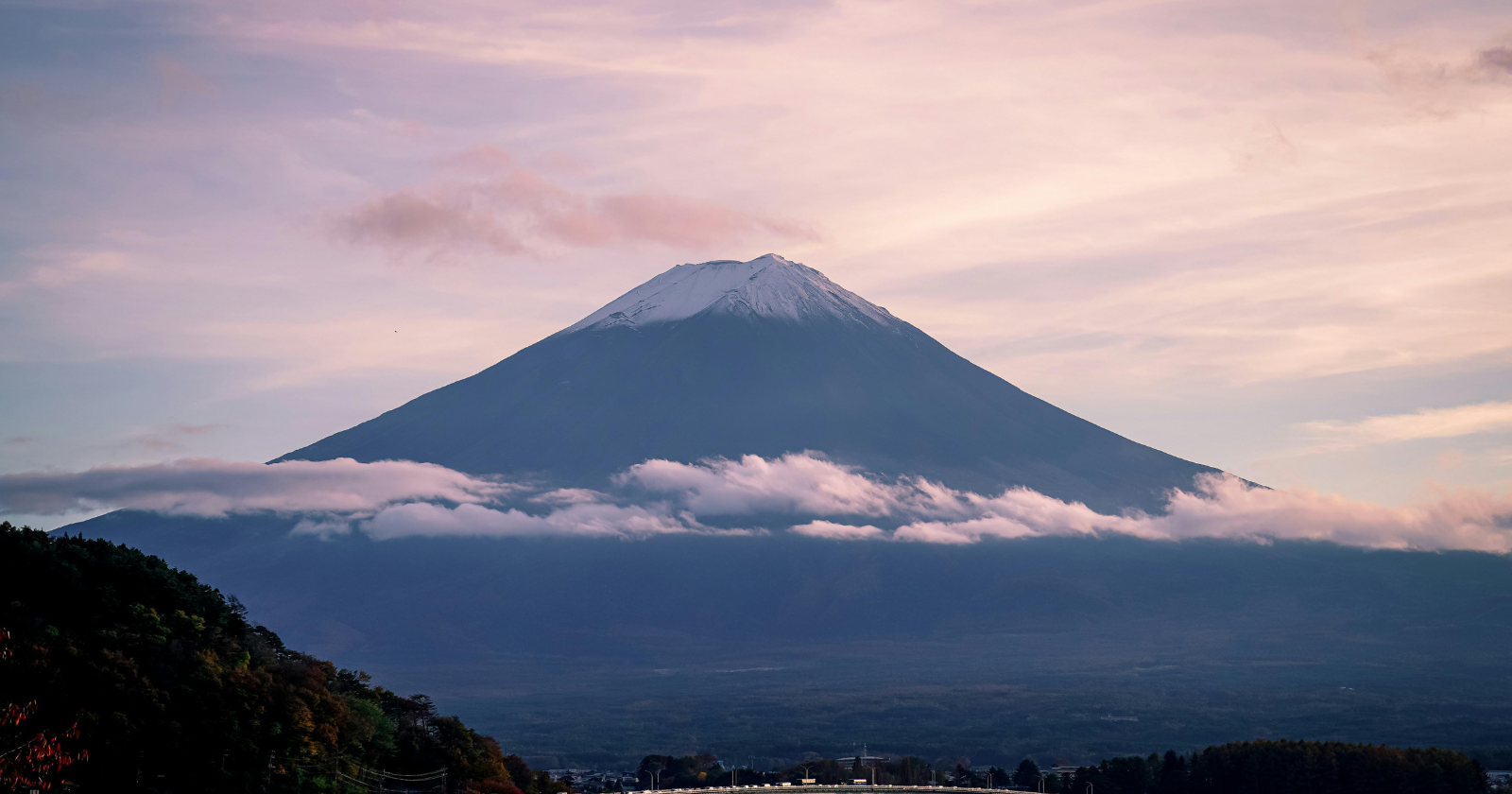
Mount Olympus, the revered mountain of Greece, took twelve years to attain a World Heritage plaque, despite its mythical reputation as Zeus’s throne. Listed in Greece’s UNESCO Tentative List in 2014, it garnered World Heritage status during the 48th World Heritage Committee session in 2026. This timeframe was characterized by thorough evaluations from UNESCO’s International Union for Conservation of Nature and ICOMOS, who mandated comprehensive documentation of the mountain’s geological and cultural significance, particularly its connections to the ancient site of Dion.
Before its endorsement, considerable skepticism surrounded the nomination due to worries about fulfilling both natural and cultural criteria—a dilemma for mixed World Heritage sites. Despite initial suggestions for additional evaluations, the site was granted unanimous approval.
The designation of the Greater Olympus Area as a mixed property recognizes its abundant biodiversity and historical and mythological importance. Greek officials hailed this as a national triumph, stressing the mountain’s global significance and the obligation to safeguard it. This resolution aligns Olympus with Greece’s other mixed World Heritage sites and underscores the distinct challenge of achieving such a classification, with fewer than 40 mixed sites on the list.
The World Heritage designation entails responsibilities for upholding conservation benchmarks. Mount Olympus, a national park since 1938, now operates under ongoing UNESCO oversight to ensure its safeguarding, reinforcing the mountain’s dual role as both a venerated emblem and a natural refuge.