**Limonene and the Lesser Asiatic Yellow House Bat: An Uncommon Terpene Engagement**
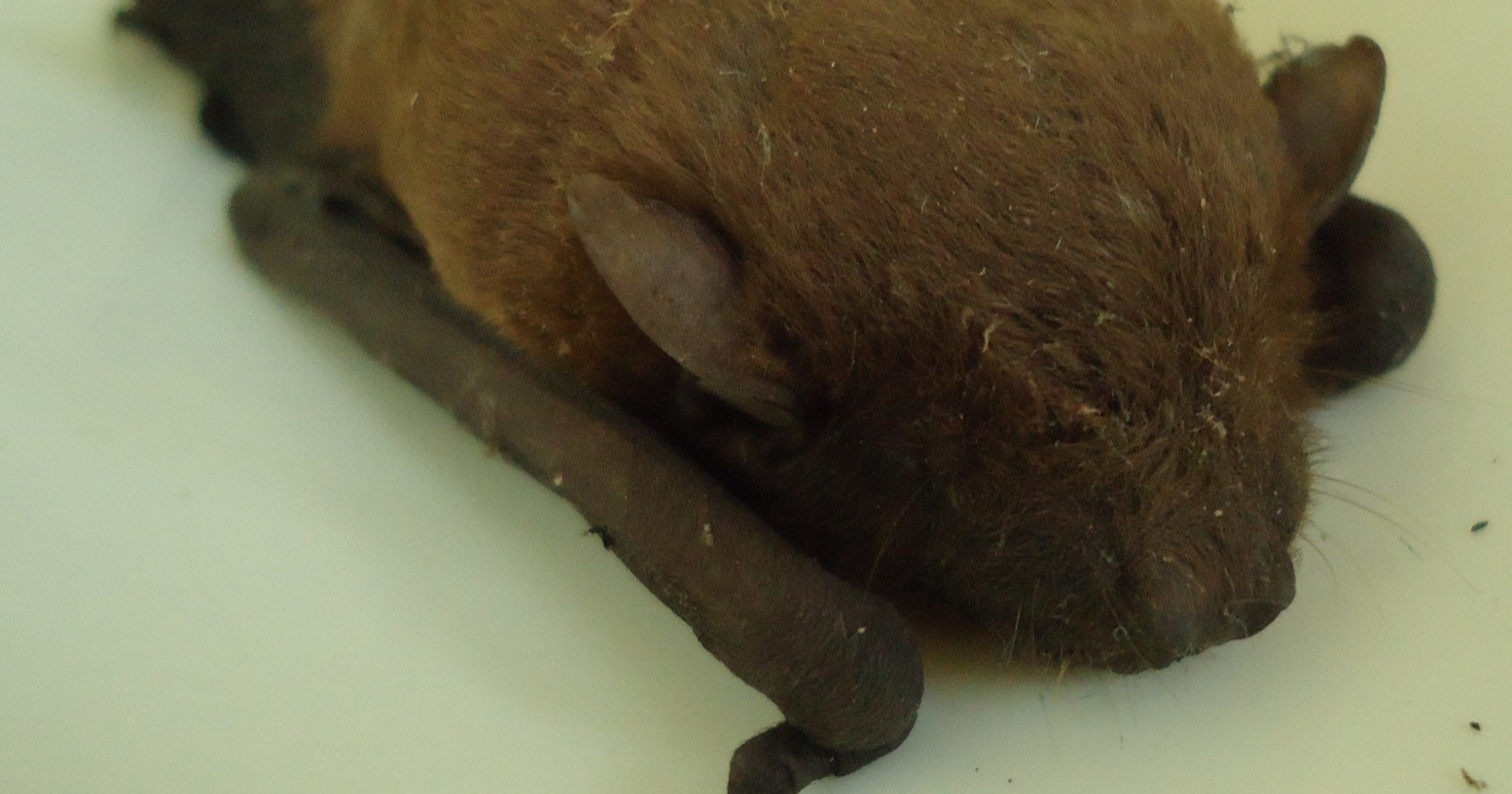
Limonene, a plant terpene recognized for contributing to the distinctive fragrance of citrus peels, has attracted attention due to its occurrence outside the plant realm, particularly in the secretions of certain mammals. Among these mammals is the Asiatic lesser yellow house bat, noted for producing limonene from a gland located on its snout. This finding is especially captivating since limonene is generally linked to plants such as pine and mint and is commonly utilized in numerous consumer products for its scent properties.
**Bat Scent and Cricket Interaction Investigation**
In an enlightening study carried out by a collaborative team from Northeast Normal University along with other Chinese research entities, the influence of limonene on a cricket species preyed upon by the bats was examined. Utilizing a Y-shaped glass tube configuration, researchers noted that crickets displayed significant avoidance behavior towards air infused with bat scent—consistently opting for the arm with clean air. When introduced to a standard of limonene without bat presence, a majority of crickets exhibited the same avoidance, implying that limonene itself incites this reaction.
**Experimental Framework and Results**
Conducted in total darkness, trials involved gauging crickets’ responses to scented compared to unscented air. Among 47 crickets assessed, 44 explicitly preferred to evade the bat-scented air. Control trials utilizing only ambient air indicated no substantial bias, confirming the integrity of the apparatus.
Analytical investigations identified limonene as a key element in bat odor, extracted from resin-trapped volatiles released by the bats. This compound generated strong antennal reactions in crickets, underscoring its importance in their sensory processing.
**Dietary Evaluation Validates Prey-Predator Link**
Before these behavioral assessments, researchers established that the bats’ diet included the specific crickets. Genetic indicators present in analyzed droppings confirmed that crickets constituted a significant portion of their diet, reinforcing the ecological significance of the research.
**Implications and Wider Context**
While the study unveils a captivating interaction via chemical signaling, it raises unanswered questions about how crickets differentiate between analogous plant scents and predator signals. Two possible hypotheses propose that crickets could interpret limonene within a broader spectrum of volatiles or in conjunction with particular environmental conditions associated with predatory bats.
The investigation highlights the intricate nature of predator-prey interactions, conventionally understood through acoustic signals, by incorporating chemical signaling as a crucial, albeit previously underappreciated, factor in the arms race between bats and crickets.
**Field Trials Indicate Behavioral Modifications**
Field experiments that sprayed limonene over grassland plots indicated a reduction in cricket activity, consistent with laboratory results. Although the lower calling frequency hints at behavioral avoidance, it remains uncertain whether crickets are leaving the vicinity or merely stopping their calls.
**Conclusion**
This research deepens our comprehension of ecological relationships, demonstrating the multifaceted ways chemical signals can impact predator-prey interaction dynamics. By emphasizing the importance of plant-derived substances like limonene in unforeseen roles within animal interactions, it promotes broader exploration of non-acoustic communication strategies in these intricate ecosystems.