**Grasping ‘Behavioural Fatigue’ in the Framework of Epidemics**
In the initial phase of the COVID-19 outbreak, the phrase “behavioural fatigue” gained notable prominence, primarily due to its reference by the UK Government as part of their justification for postponing the enforcement of stricter public health protocols. This notion, however, encountered doubt, and a significant piece by The Guardian asserted that behavioural fatigue “lacks scientific foundation.”
Nonetheless, this claim disregards a considerable volume of research investigating adherence to public health protocols amid epidemics. The conversation surrounding behavioural fatigue implies a potential decrease in compliance with preventative actions such as social distancing and hand hygiene as time progresses, yet empirical studies provide a more intricate understanding of human behaviour during pandemics.
**Scientific Perspectives on Behavioural Changes During Epidemics**
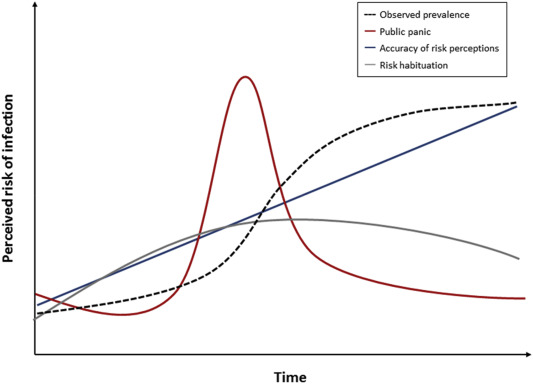
Although the term behavioural fatigue might not be prominently referenced in medical texts, the mechanisms of risk perception and adherence during health emergencies have been thoroughly explored. Research shows that individuals’ initial reactions to perceived heightened risk often include increased alertness and an exaggeration of threats—especially in the face of new dangers. Over time, as communities adjust to a “new normal,” risk perception may unintentionally diminish, adversely affecting adherence to public health recommendations.
Insights from prior pandemics, including the 2009 H1N1 outbreak, shed light on these behavioural trends. Numerous studies have documented declines in adherence to certain preventative actions as the situation evolves, revealing geographical and situational differences. For instance, research from Italy, Hong Kong, and Malaysia noted reductions in some precautionary behaviours, while findings from the Netherlands during the 2006 avian influenza outbreak indicated variability in compliance levels.
Noteworthy results have emerged from innovative approaches to monitor changes in social behaviour, such as television consumption patterns, which indirectly implied that initial increases in social distancing tend to diminish over time. Likewise, trends in missed flights throughout the 2009 H1N1 pandemic showcased a considerable decline following an initial peak, although they later correlated more closely with infection statistics.
**Mathematical Models and Qualitative Findings**
To deepen the understanding of these trends, mathematical models have been created to analyze the progression of epidemics, frequently suggesting that fading compliance might result in the observable cyclic patterns of epidemic surges. Qualitative inquiries, through interviews, have indicated that over time, adherence to behavioral modifications may clash with personal economic and familial responsibilities, affecting their levels of compliance.
However, not all research aligns with the behavioural fatigue hypothesis. Certain studies, particularly from the Netherlands and Beijing, indicated consistent or even enhanced adherence to preventative measures, underscoring the impact of low versus high-effort tasks and cultural influences.
**Final Thoughts**
The dialogue surrounding behavioural fatigue emphasizes the necessity for meticulous evaluation and communication of scientific data during public health emergencies. Epidemics are multifaceted, and so are human behaviours in response to them. As we confront the persistent hurdles of COVID-19, the evidence highlights the critical importance of sustaining resolve and adherence to public health guidelines, learning from previous pandemics where continual compliance has been crucial for saving lives.
Ultimately, the united endeavor to uphold preventative actions might assist in alleviating the effects of current and future health threats, highlighting our capacity to adapt and respond proactively to shifting risks.