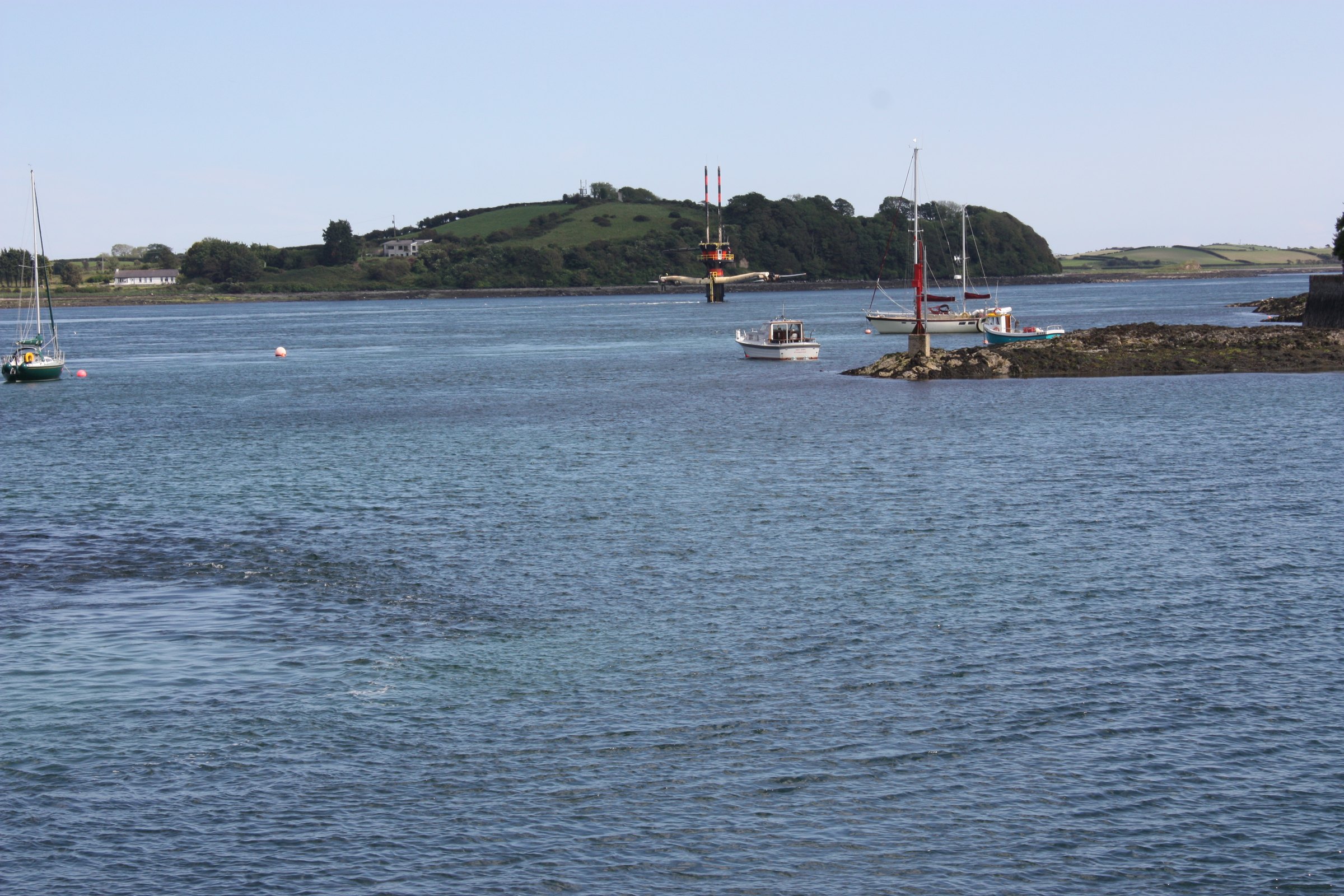
Hannah Herbst achieved victory in the Discovery Education 3M Young Scientist Challenge in 2015 by inventing a compact propeller generator known as BEACON (Bringing Electricity Access to Countries through Ocean Energy). This device captured the kinetic energy from water flow in the Boca Raton Intracoastal Waterway to light up LEDs, earning her the recognition as America’s Top Young Scientist along with a prize of $25,000. Motivated by a pen pal in Ethiopia who faced inconsistent electricity access, Herbst designed her generator to deliver sustainable energy solutions in underdeveloped areas.
Although it enjoyed initial acclaim, the specific wattage information and subsequent advancements of BEACON are not available in the public domain. Following her success, Herbst contributed a portion of her prize money to Compassion International to assist her pen pal’s family in acquiring a generator. She also looked into partnering with 3M to possibly commercialize BEACON but recognized the hurdles in achieving market readiness.
Herbst’s path of innovation progressed with remarkable academic milestones, securing a place on Forbes’ 30 Under 30 list in 2018 and shining in science competitions such as the Intel International Science and Engineering Fair in 2019. She shifted her focus to medical technology, establishing Golden Hour Medical in 2021 which created AutoTQ, an automatic tourniquet.
While BEACON continues to be a vision, the Southeast Marine Energy Center at FAU, where Herbst initiated her work, is actively promoting marine energy research. It investigates ocean currents for utility-scale electricity generation, highlighting the significance of student-led innovations like BEACON in motivating future engineers and supporting sustainable energy advancements.