**The Revitalization of Philadelphia’s Abandoned Lots: An Initiative to Deter Crime**
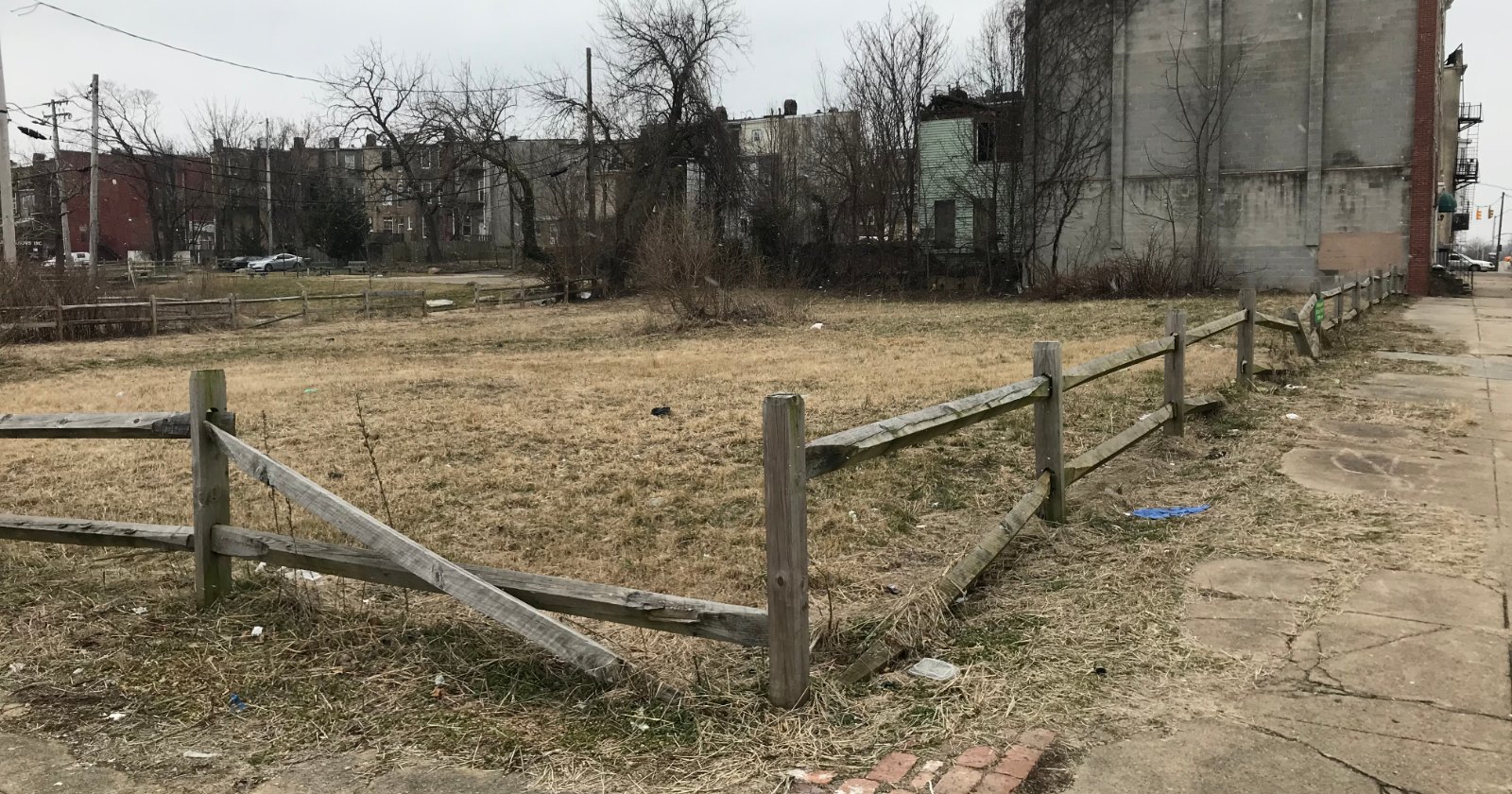
In the spring of 2013, a major urban revitalization effort was initiated throughout Philadelphia. Landscaping teams arrived in force at the city’s numerous abandoned lots, converting some neglected spaces into verdant retreats, while leaving others either untouched or merely tidied. This project was designed as part of a research initiative aimed at exploring the effect of environmental modifications on crime statistics, particularly in low-income neighborhoods. The significant results were subsequently published in PNAS in 2018.
**An Unforeseen Drop in Gun Violence**
The renovation of these abandoned lots resulted in a significant decline in criminal activity, with gun assaults in the most impoverished areas diminishing by as much as 29 percent. Such remarkable outcomes raised a crucial question: how might the greening of lots affect crime rates so profoundly? The explanation resides not in the appearance of the grass itself, but in the socio-psychological factors of visibility and community engagement that well-maintained areas promoted.
**An Innovative Experimental Approach**
Understanding the potential dangers of vacant land, particularly in economically struggling regions, researchers adopted a randomized method involving 541 vacant lots throughout Philadelphia. These were categorized into three cohorts: some lots received full greening, others were simply cleaned, and a third group was left as is. The renovation encompassed garbage removal, grass seeding, and the installation of symbolic low fencing, indicating ownership and concern.
After 18 months of monitoring and data collection, a thorough analysis was performed, including a survey of 445 local residents and an examination of police records from both pre- and post-intervention phases. The findings were insightful regarding reductions in crime and shifts in public perceptions of community safety.
**Effect on Community Well-being and Mental Health**
The greening of lots not only contributed to a drop in gun violence; it also inspired a notable cultural transformation. Residents indicated they were 58 percent less likely to forgo outdoor activities due to safety fears, and social interactions surged by 76 percent around the treated regions. Additionally, in a separate publication from JAMA Network Open, it was highlighted that residents living close to the improved lots experienced a significant drop in depression levels.
**Examining the Relationship Between Crime Reduction and Green Spaces**
To comprehend the linkage between green areas and diminished crime, a group of ethnographers assessed neighborhood dynamics firsthand. They discovered that drug dealers often preferred to operate near vacant lots, which offered concealment from vigilant observers. A cleaned and maintained lot eliminated these hiding places and increased natural oversight, prompting illicit activities to either move or stop altogether.
**Financial Aspects and Long-term Viability**
The intervention turned out to be economically viable, as the greening and upkeep involved relatively modest expenditures that resulted in large savings from lower gun-violence costs. Nonetheless, despite these favorable results, further scrutiny raised questions about the long-term viability of such initiatives, especially concerning funding and the possible unintended effects of gentrification.
**Expanding the Model**
Since it began, this greening approach has garnered attention beyond Philadelphia, with new projects emerging in adjacent cities like Chester, Pennsylvania. With an ongoing dedication to improving urban settings through community-focused strategies, the Philadelphia experiment highlights the powerful role that landscaping, rather than policing alone, can play in rejuvenating urban neighborhoods and diminishing crime.
As urban areas continue to deal with the socio-economic issues resulting from urban decay, the Philadelphia model stands as a testament to the transformative potential of environmentally-driven community initiatives in enhancing public safety and overall quality of life.