**Grasping ‘Behavioural Fatigue’ in Epidemics**
In contemporary debates regarding public health strategies during pandemics, a term that has emerged is ‘behavioural fatigue.’ This notion, investigated in numerous scientific inquiries, signifies the understanding that individuals may initially react to an outbreak by strictly following preventive guidelines, but over time, they might see a decrease in adherence as these measures become habitual. This has sparked discussions, particularly in arguments concerning the timing and execution of interventions like social distancing.
The term’s introduction into public dialogue can be linked to its application by the UK Government as a justification for postponing the enforcement of stricter public health protocols during the COVID-19 pandemic. The rationale proposed that the public might become fatigued and demonstrate diminished compliance if restrictions were imposed too soon. Nevertheless, The Guardian released an article critiquing this viewpoint, contending that the idea of ‘behavioural fatigue’ is not backed by scientific evidence.
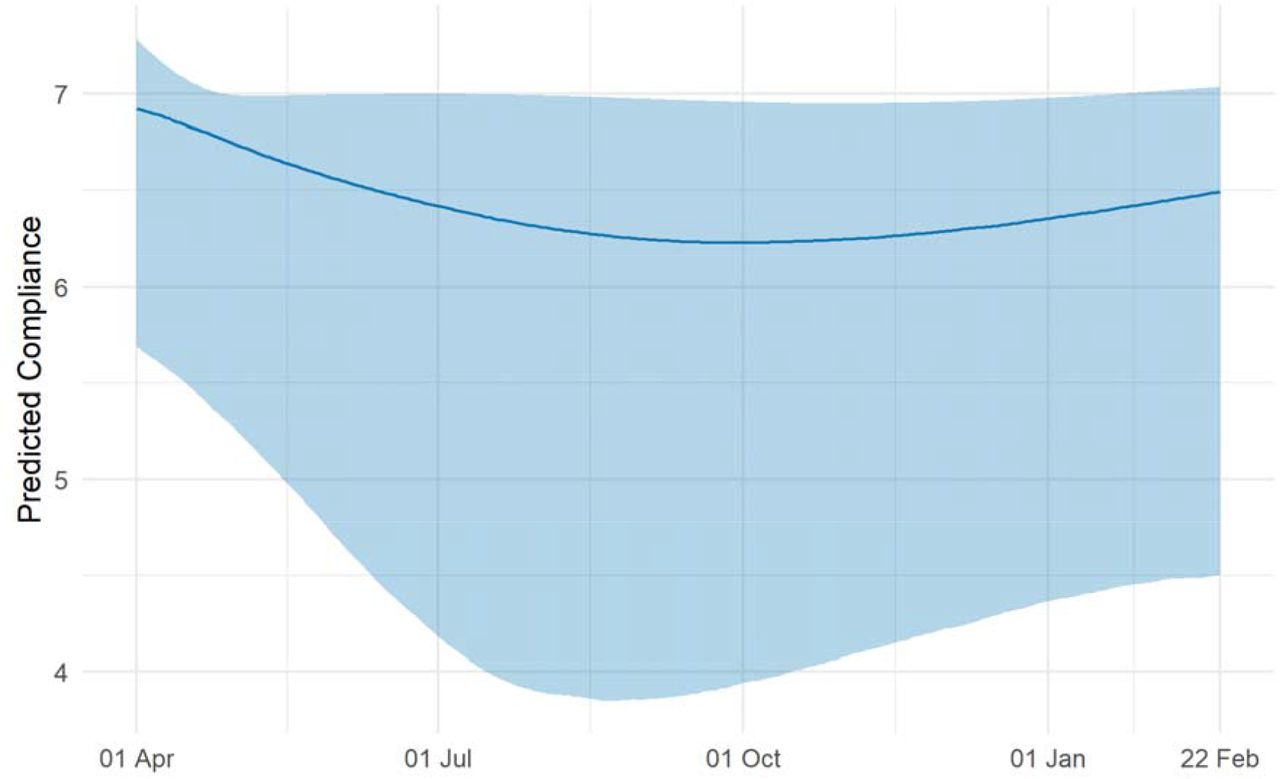
Despite such assertions, a substantial collection of studies examines how compliance with preventive measures fluctuates during an epidemic. A crucial element affecting this compliance is risk perception. Research indicates that individuals frequently overestimate risks at the onset of an epidemic. However, as they adapt to new circumstances, their perception of risk often diminishes, sometimes misaligning with the actual growing threat.
Historical examples, such as the 2009 H1N1 flu outbreak, provide valuable insights into this occurrence. Studies performed across various regions, including Italy, Hong Kong, Malaysia, and Mexico, identified trends where preventive actions varied, frequently diminishing as epidemics unfolded. This decline in adherence was noted in self-reported practices like hand hygiene and social distancing, as well as through objective measures such as time spent watching television—a proxy for remaining at home.
In contrast, other research, such as that conducted in the Netherlands and Beijing, indicated consistent or even heightened compliance over time. These results imply that while the risk of lowered adherence is present, it is not an inevitable outcome and can be alleviated.
The conversation surrounding ‘behavioural fatigue’ is not solely relevant to policymakers; it also highlights the necessity of harmonizing public perceptions with scientific findings. Throughout pandemics, it is essential for scientists and officials to communicate transparently and thoughtfully, taking into account the complexities and ramifications of their messages.
Ultimately, the lessons learned from previous pandemics illustrate that upholding vigilant practices can considerably affect the trajectory of an epidemic. By comprehending the interplay between compliance dynamics and risk perception, both individuals and policymakers can make informed choices to effectively support public health initiatives.