Introduction to CRISPR
CRISPR is a groundbreaking instrument that is altering lives and making significant impacts in the healthcare sector. CRISPR, an acronym for “Clustered Regularly Interspaced Short Palindromic Repeats,” exists in prokaryotes—tiny, unicellular organisms lacking organelles. These sequences are found within the genomes of prokaryotes, which organize a cell’s DNA in clusters.
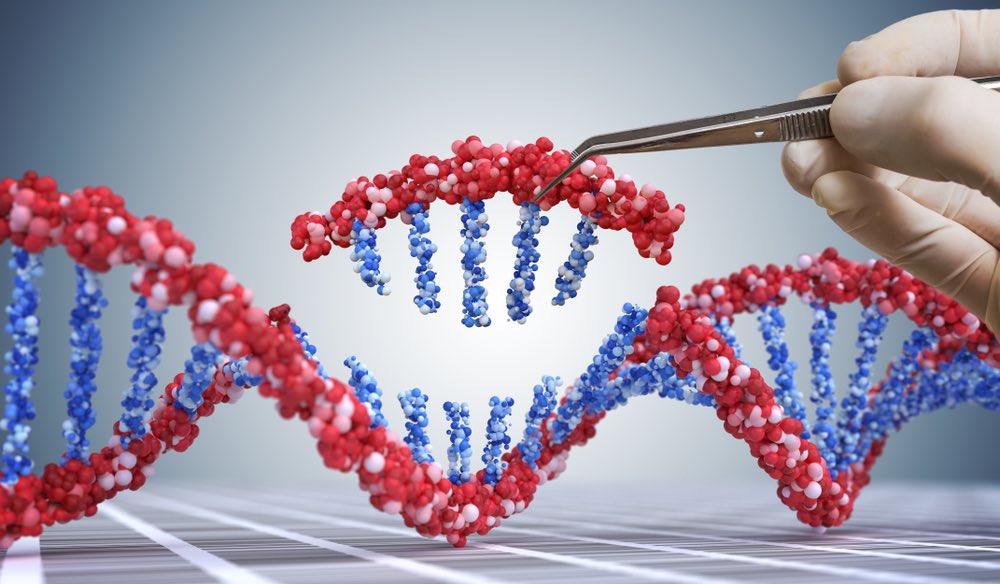
As a gene modification tool, CRISPR is employed to change certain parts of DNA to address serious health conditions. It is especially useful as it aids the body in defending against viral infections by integrating the foreign DNA into its own genome, enabling it to identify and eliminate the virus in subsequent encounters. What stands out is that, in contrast to other gene editing techniques, CRISPR is significantly more accurate and simpler to program, facilitating a more straightforward sequence redesigning process. While other gene-editing tools generally utilize a single protein, CRISPR depends on RNA-guided targeting along with the Cas9 enzyme.
How CRISPR Operates
CRISPR functions by leveraging a natural protective mechanism found in bacteria, which allows them to detect and eliminate viral threats. When a virus infiltrates a bacterial cell (a prokaryote), the bacterium retains a segment of the invader’s DNA within its genome as a genetic “memory.” This allows the bacterium to recognize and react more efficiently to subsequent infections.
In gene editing, this mechanism is modified using two essential elements: the Cas9 enzyme, which acts like molecular scissors to sever DNA, and guide RNA, which directs Cas9 to the specific genetic sequence requiring alteration. Once the specific DNA is cleaved, the cell’s intrinsic repair systems take over, permitting scientists to implement modifications to the genetic material.
Unlike previous tools that depended on difficult-to-reprogram proteins, CRISPR’s RNA-directed approach is more adaptable, simpler to design, and extremely accurate. This ease and precision have enabled CRISPR to be utilized in healthcare, agriculture, manufacturing, and microbiology—such as enhancing microbes to boost product yields. However, as this article discusses, the expanding capabilities bring forth increasing ethical dilemmas, particularly concerning germline editing and genetic enhancement.
World’s First Patient of a Tailored CRISPR Therapy
In February 2025, the first tailored CRISPR treatment was administered to an infant named KJ to address a deficiency in Carbamoyl Phosphate Synthetase 1 (CPS1)—an enzyme crucial for converting ammonia (produced during protein metabolism) into urea. A team spearheaded by Dr. Rebecca Ahrens-Nicklas and Dr. Kiran Musunuru at the Children’s Hospital of Philadelphia created this therapy following years of research in gene modification and collaborations with other medical professionals.
Their research concentrated on disorders influencing the urea cycle, resulting in harmful ammonia accumulation, which can damage organs such as the brain and liver. They customized the treatment specifically for KJ’s variant of CPS1 deficiency, utilizing preclinical insights on analogous cases.
So far, the U.S. FDA has approved CRISPR treatments only for more prevalent diseases such as sickle cell disease and beta thalassemia, which impact tens of thousands or even hundreds of thousands of individuals. In KJ’s situation, his treatment was formulated within six months of his birth, focusing on his distinct CPS1 variant. The team developed a base editing therapy that was delivered through lipid nanoparticles to his liver to rectify the malfunctioning enzyme.
The February treatment marked the initial dose of three; KJ was administered the subsequent two doses in March and April 2025. As of his last treatment, he has not experienced any major side effects, exhibits improved tolerance to dietary protein, and requires reduced medication to manage ammonia levels. Although ongoing observation will be necessary, Ahrens-Nicklas notes that the results thus far are encouraging.
Ethical Considerations Surrounding CRISPR
Like any innovative technology, CRISPR brings forth intricate ethical dilemmas. Although its main aim is to modify somatic cells to treat ailments, it can also affect gametes, entering the contentious area of germline editing. Modifying DNA that will be passed on to future generations is often viewed as unethical—especially when conducted for the enhancement of traits rather than the treatment of diseases.
In light of these issues, scientists have temporarily banned germline editing until its ethical and societal consequences are more fully understood. The unpredictability of genetic alterations, combined with the lasting effects of these changes across generations, raises vital questions regarding where to draw the line.