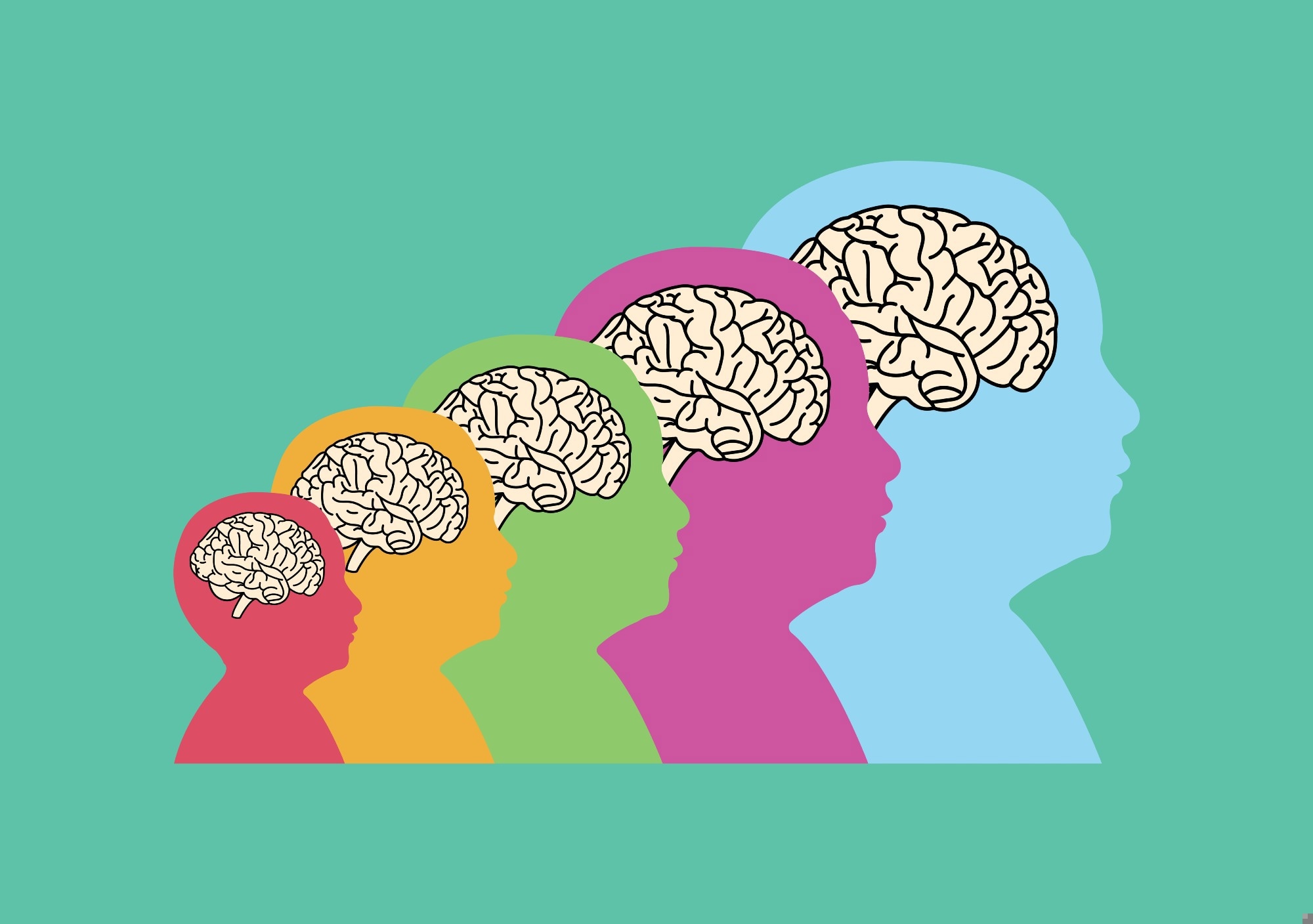
The developing mouse brain resembles a construction zone where millions of neurons journey to their final locations, directed by molecular signals that function like cellular GPS. However, when a mother’s immune response flares up or her gut microbiome is disrupted, this guidance system can malfunction, with variations evident between male and female embryos. New spatial mapping uncovers the precise areas where these sex-specific disruptions manifest, highlighting a singular pathway that might account for the significant male prevalence in neurodevelopmental disorders.
Brian Kalish’s team at Boston Children’s Hospital employed MERFISH spatial transcriptomics to illustrate 500 immune-related genes in embryonic mouse brains during mid and late gestation. This method captures RNA molecules in their native tissue areas, producing color-coded maps of the cortical plate where developing neurons stack on top of the progenitor cells from the ventricular zone. Upon comparing healthy embryos to those subjected to maternal immune activation or antibiotic-induced microbiome depletion, a clear pattern emerged: male brains restructured their immune landscape more significantly than female brains.
The CXCL12/CXCR7 chemokine pathway was particularly sensitive. This molecular system directs neural progenitor cells through their differentiation into functional neurons. Male progenitor cells exposed to CXCL12 differentiated too early, impacting cortical layer thickness, while female cells showed minimal response to the same signal.
Microglia Cluster Differently By Sex
Following maternal microbiome depletion, microglia—the brain’s native immune cells—congregated more densely around migrating neurons in male embryos, while female embryos exhibited no similar change. Kalish combined single-cell RNA sequencing with the spatial information to refine cell-type context, verifying that male brains seem inherently more responsive at baseline to environmental disruptions.
This situation is not merely about inflammation in a straightforward way. The fetal brain possesses its own immune signaling patterns, developmentally regulated and spatially organized. Maternal stressors don’t simply “inflame” the brain but instead reconfigure its molecular geography.
“As a neonatologist, this work enhances our understanding of early-life environmental influences that could affect neurodevelopmental potential and provides insights for potential interventions,” Brian Kalish remarks.
A Unified Pathway Connects Various Stressors
Both maternal immune activation and microbiome depletion targeted the same CXCL12/CXCR7 mechanism in male embryos. Regardless of whether the disruption originated from immune signals or loss of gut bacteria, the subsequent effects appeared similar: premature neural differentiation, modified cortical structure, altered microglia distribution. Identifying a common pathway across different stressors presents a tangible target for protective strategies.
The epidemiological trends align. Autism, ADHD, and similar conditions are more prevalent in males. If male fetal brains display heightened reactivity to maternal immune and gut signals during critical developmental periods, interventions that stabilize these signals throughout pregnancy might mitigate risk. Kalish positions the atlas as a neonatology resource—a way to identify which molecular switches are activated early, while buffering is still feasible.
The MERFISH panel focused solely on immune ligands and receptors, leaving other molecular pathways unexplored for now. Yet, this approach illuminates what epidemiology could merely speculate: the spatial framework of how maternal health shapes fetal brain development, one chemokine gradient at a time.
[Source: Nature Neuroscience](https://doi.org/10.1038/s41593-025-02162-3)
There’s no paywall here. If our reporting has informed or inspired you, please consider making a donation. Every contribution, no matter the size, empowers us to continue delivering accurate, engaging, and trustworthy science and medical news. Independent journalism requires time, effort, and resources—your support ensures we can keep uncovering the stories that matter most to you.
Join us in making knowledge accessible and impactful. Thank you for standing with us!