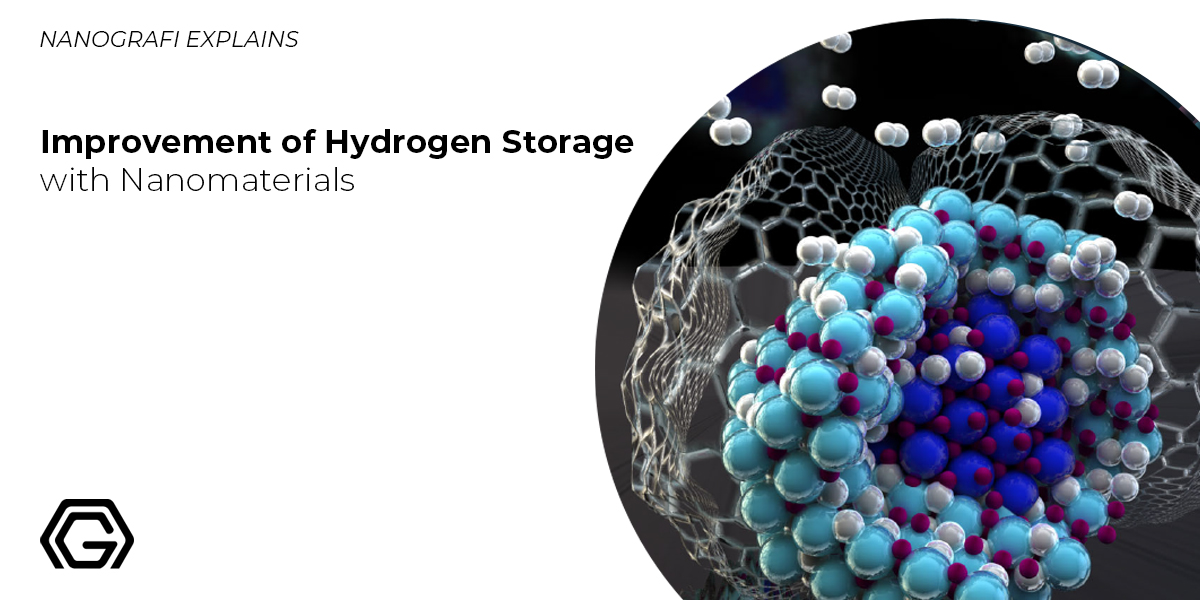
In a chemistry laboratory at Chalmers University of Technology in Sweden, a vessel filled with water is positioned beneath a lamp. Within moments, small bubbles begin to ascend to the top. It seems ordinary, as if someone has poured a glass of fizzy water. However, those bubbles contain high-purity hydrogen gas, generated without the precious metal that solar hydrogen systems have relied upon for many years.
The researchers have entirely removed platinum from the process. Instead of this rare element, they employ nanoparticles crafted from electrically conductive plastic, yielding unexpectedly competitive results. In experiments published in Advanced Materials, the organic catalyst produced hydrogen at a rate of 209 millimoles per gram per hour. A single gram of this material generated approximately 30 liters of hydrogen in just one hour under simulated sunlight.
Platinum has consistently posed a challenge for solar hydrogen production. Global availability is restricted, mining poses environmental and health risks, and production is concentrated within a few countries, raising difficult questions regarding energy independence. Eliminating it from photocatalysis has been a long-term objective, yet performance typically deteriorates when the metal is removed.
## Training Plastic to Embrace Water
The Chalmers team, headed by Professor Ergang Wang, approached this challenge by re-engineering the catalyst at the molecular scale. They utilized conjugated polymers, plastics that capture light and conduct electrical charge, designed around a structural unit known as BTSO. The difficulty lay in the fact that these materials naturally resist water, which hampers their ability to facilitate the chemical reactions necessary for splitting water molecules.
By introducing polar side chains to the polymer backbone, the researchers rendered the material hydrophilic. The resulting nanoparticles possess a loosely organized, open structure that functions similarly to a sponge. Water molecules and protons can infiltrate deeply into the particle and access the active sites where hydrogen production occurs.
> “Creating efficient photocatalysts without the use of platinum has been a longstanding aspiration in this domain. By implementing advanced materials design onto our conducting-plastic particles, we can produce hydrogen efficiently and sustainably without platinum, at drastically reduced costs,” explains Alexandre Holmes, a postdoctoral researcher at Chalmers and co-lead author of the study.
When light interacts with these particles, it energizes electrons that subsequently facilitate the splitting of water molecules. The reaction initiates almost instantly. Bubbles of hydrogen visibly rise through the water, serving as a clear indication that photocatalysis is functioning.
## What’s Next After the Proof of Concept
The current system still depends on vitamin C as an auxiliary chemical. It donates electrons and prevents the reaction from halting, acting as a temporary support that allows researchers to showcase the catalyst’s efficiency without interference from other variables. The long-term aspiration is significantly more ambitious.
The team aims to accomplish what is known as overall water splitting: producing both hydrogen and oxygen by utilizing solely sunlight and water, without the need for additives. This would signify genuine sustainability for solar hydrogen. Ergang Wang has remarked that eliminating platinum was the most significant obstacle, and the team is already investigating strategies to render the system entirely self-sustaining.
Related research from Chalmers indicates that the conductive plastic itself can be produced without harmful chemicals and at significantly lower costs compared to platinum-based alternatives. Whether this can be replicated on an industrial scale remains an unresolved question.
The study recontextualizes a common challenge in energy research. Instead of searching for new rare materials, it illustrates how meticulous molecular design can extract unexpected performance from more readily available ones. If hydrogen assumes the role in future energy systems that proponents envision, part of that advancement may trace back to a simple, intricately engineered piece of plastic immersed in a beaker of water.
[Advanced Materials: 10.1002/adma.202507702](https://doi.org/10.1002/adma.202507702)
**There are no paywalls here**
*If our reporting has informed or inspired you, please think about making a donation. Every contribution, regardless of its size, enables us to continue providing accurate, engaging, and reliable science and medical news. Independent journalism requires time, effort, and resources—your support ensures we can keep revealing the stories that matter most to you.*
*Join us in making knowledge accessible and impactful. Thank you for supporting us!*