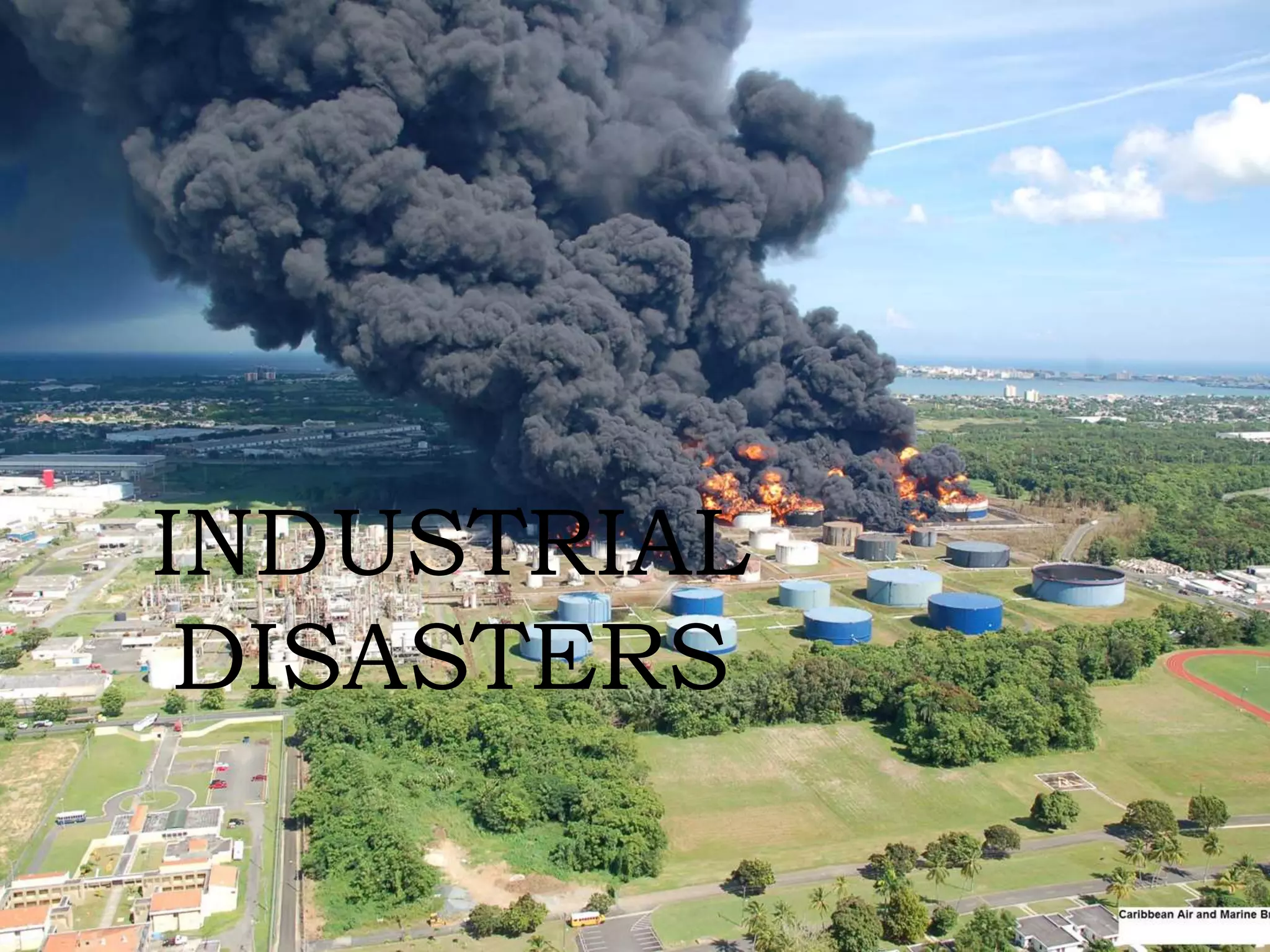
At least 41 individuals have lost their lives and 38 others sustained injuries in two distinct industrial blast incidents in India.
A large explosion devastated an industrial explosives factory owned by SBL Energy near Nagpur in Maharashtra state on 1 March, resulting in 19 fatalities and injuring 23 additional individuals, many in critical condition. The explosion took place in the detonator packing section of the facility.
Authorities in Nagpur have filed a case against 21 directors of SBL Energy, with nine already taken into custody. Teams from both the National and State Disaster Response Forces labored extensively on search and rescue efforts. As per the police, an initial report from the Petroleum and Explosives Safety Organisation (PESO) and Defence Information System for Security (DISS) suggests safety breaches within the company.
Maharashtra’s chief minister, Devendra Phadanvis, has mandated a comprehensive investigation into the explosion’s cause and has also assured compensation of ₹500,000 (£4085) to the families of the deceased. Describing the event as ‘deeply distressing’, Prime Minister Narendra Modi similarly promised compensation of ₹200,000 for the families of those who died and ₹50,000 for the injured from the Prime Minister’s National Relief Fund.
In a separate incident, at least 22 individuals died and 15 were critically injured in an explosion at Suryashree Fireworks in Andhra Pradesh’s Kakinada district on 28 February. Approximately 35–40 employees, predominantly women, were mixing explosives to produce firecrackers when the blast occurred. The factory owners, brothers Adabala Veerababu and Arjun, have been apprehended by the Andhra police – their father, Adabala Srinivasa Rao, was killed in the fire.
The Suryashree factory had recently been temporarily prohibited from manufacturing after an inspection in January. According to media reports, the owners circumvented this ban with the help of local politicians and law enforcement. Chief Minister N. Chandrababu Naidu traveled to the site, announcing the suspension of several officers and committing to a compensation of ₹2 million for the families of the deceased. Three high-ranking local officials have been suspended for their failure to implement safety protocols, conduct inspections, and provide oversight, according to the Deccan Herald newspaper.
‘We are currently experiencing a significant deregulation and the weakening of environmental laws, as well as a lowering of standards to promote “ease of doing business” over the past 10–12 years, which has created substantial issues,’ states Lara Jesani, an environmental attorney and civil rights advocate based in Mumbai. ‘The situation continues to decline, and the occurrence of such events is increasing due to the lack of political will to avert them. There exists an illegal connection between indifferent business owners, certain segments of law enforcement, and politicians,’ she continues. ‘No preventative actions are being taken – we require stringent regulation, oversight, grassroots initiatives, and corporate accountability.’
Jesani also critiques the compensation guidelines, labeling them as severely insufficient. It has become commonplace in India to provide ₹50,000 to the injured, yet she questions the method of calculation. ‘There are consistently instances of multiple and severe injuries, often resulting in permanent disabilities from industrial accidents. In many cases, those injured require long-term follow-ups, repeat surgeries, and continued care, yet none of this is considered,’ she states. ‘Even with regard to those who have died, how can one quantify the loss of the only income earner within a family, the needs and dreams of children and other relatives, or their job prospects,’ she queries. ‘The government merely establishes some compensation figure and disregards all other factors,’ she asserts.