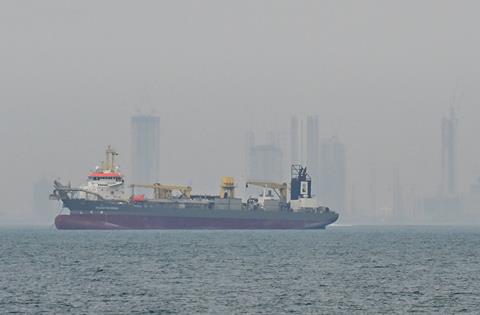
The Strait of Hormuz: A Crucial Bottleneck Amidst Turmoil
The Strait of Hormuz has become a vital bottleneck in international energy and chemical commerce following the onset of hostilities involving the US, Israel, and Iran. Situated between Iran and Oman, this slender corridor has been a primary channel for the transit of energy assets, with approximately 25% of all maritime oil and 20% of liquefied natural gas (LNG) flowing through it in recent years.
At its most constricted point, the strait spans merely 40 kilometers, with a shipping lane of roughly 4 kilometers. The persistent conflict has effectively barred this route to maritime traffic, severely hindering the exports of oil, chemicals, and hydrocarbons from prominent Middle Eastern exporters, including Iran, Iraq, Kuwait, Bahrain, Saudi Arabia, the United Arab Emirates, and Qatar. This trade stoppage has also influenced the shipment of nitrogen fertilizers, which may result in heightened food prices as time progresses.
Market analyst Alan Gelder from Wood Mackenzie points out that approximately 12-14 million barrels of crude oil pass through the Strait of Hormuz each day, alongside about 4 million barrels of refined products, along with substantial amounts of LPG, naphtha, and jet and diesel fuels. While other regions may compensate for these volumes should they quickly boost production, the likelihood of short-term market instability remains elevated.
The ramifications of the closure are especially significant in Asia, which imports around 80% of the oil shipped through the strait. Asian nations, particularly China, have a strong dependency on Middle Eastern feedstocks for producing plastics and chemicals. Joseph Chang from ICIS emphasizes that Asia’s reliance on naphtha for creating commodity chemicals like polyethylene and polypropylene aggravates the crisis, as these materials are crucial for various industrial uses.
The Middle East is a major supplier of plastics and chemicals, such as polyethylene, methanol, and monoethylene glycol (MEG). China, being the largest MEG consumer, faces possible shortages due to these disruptions. Asian purchasers might look for alternative sources, like the US Gulf Coast, but this could escalate prices in an already saturated marketplace.
The conflict has interrupted around 15% of polyethylene and polypropylene production in the Persian Gulf, accounting for over 30% of worldwide trade volumes. Suppliers outside the Middle East may hesitate to bridge this deficit without a distinct price incentive, complicating the necessary supply chain adjustments to stabilize the market.
European chemical manufacturers also encounter hurdles, as they are significantly affected by climbing feedstock costs. Feedstock constitutes 70-80% of the expenses for a typical steam cracker, rendering European operations susceptible to price hikes.
Gas prices have surged globally, particularly impacting Asia and Europe, as both regions heavily rely on LNG shipments from Qatar and the UAE. The strait’s closure has led to fuel surcharges on existing contracts due to these price increases.
The economic fallout stretches beyond energy and chemicals. Approximately a quarter of nitrogen fertilizer is shipped through the Strait of Hormuz, which influences global food prices because of disrupted urea and ammonia exports.
In spite of the chaos, potential winners could include North American manufacturers due to their lower feedstock expenses. However, the overarching global oversupply might dampen their readiness to escalate production.
As the conflict persists, its resolution remains unclear. While direct assaults on petrochemical facilities have been few, recent updates from QatarEnergy and Bahrain underscore the fragility of the region’s energy infrastructure. If the conflict intensifies or expands, further disruptions to energy and petrochemical facilities could significantly reshape the global supply scenario.