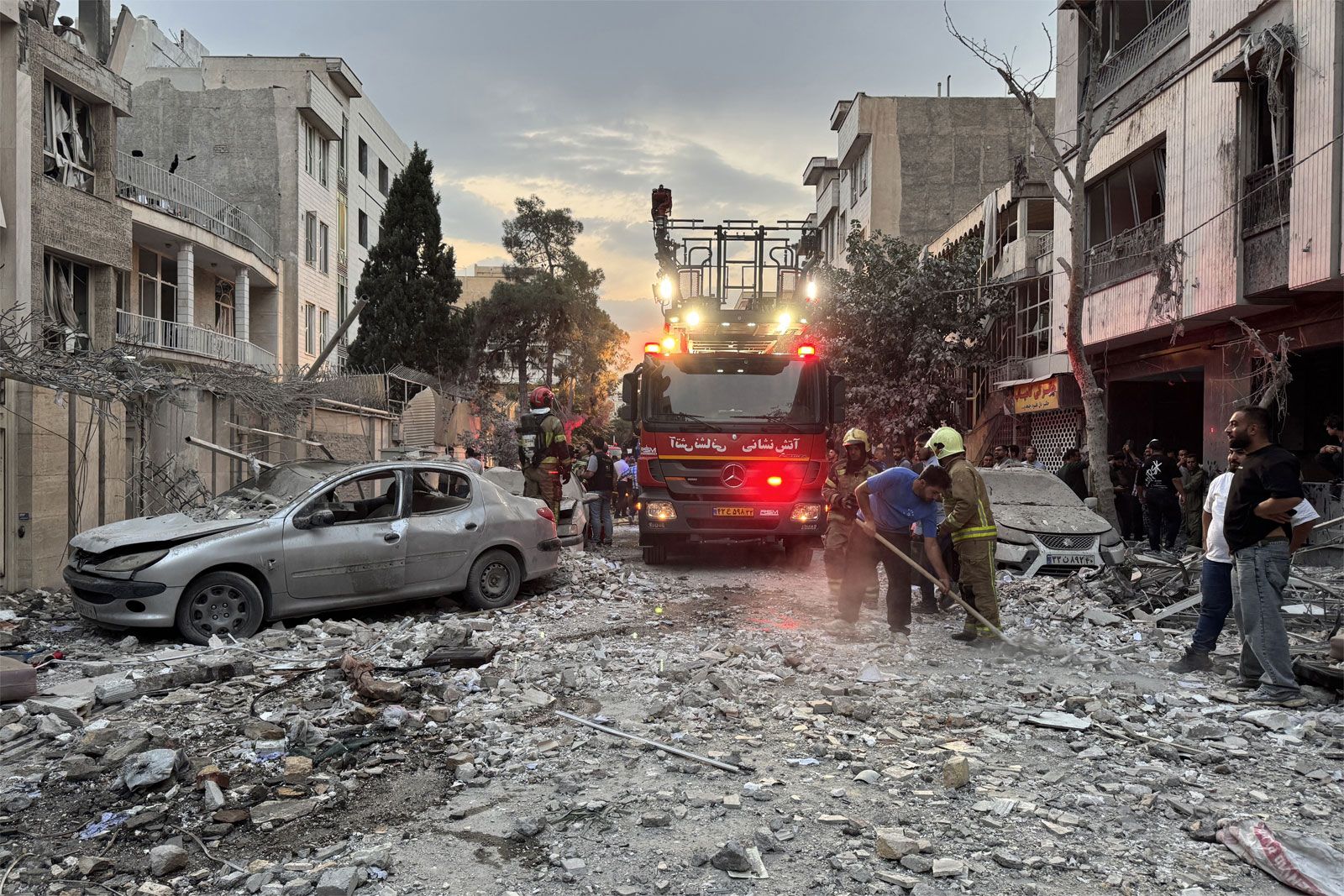
As the offensive by the US and Israel against Iran progresses, the repercussions on international trade have escalated. The shipping route of the Strait of Hormuz is effectively shut down, halting exports from Gulf ports in Iran, Iraq, Kuwait, Bahrain, Saudi Arabia, the United Arab Emirates, and Qatar.
The most apparent consequence of this closure is on hydrocarbons and petrochemicals – approximately a quarter of all maritime oil and a fifth of liquefied natural gas (LNG) have transited through the strait in recent times. Oil prices have skyrocketed, prompting the International Energy Authority to approve the release of millions of barrels from national oil reserves to alleviate supply deficiencies.
As the conflict escalates, some of the largest oil and gas terminals have ceased operations, and certain Gulf nations have reduced their production of oil, gas, and chemicals – either due to assaults or because storage facilities are full and there are no vessels to transport the cargo. Oil storage facilities in Iran have faced attacks from US–Israeli operations.
Abruptly severing supplies from the Middle East could lead to shortages of certain feedstocks and materials – particularly impacting Europe and Asia, which depend on the Middle East for over half of its naphtha supply for petrochemical production. However, sustained global overcapacity in various petrochemicals has kept prices depressed, potentially dissuading producers from increasing output until price incentives are present.
Moreover, there are more extensive consequences for resources that are derived as byproducts of petroleum refinement. Approximately one-third of the global helium supply is impeded. Qatar houses one of only two facilities that generate all the high-grade helium utilized in semiconductor fabrication. Prolonged conflict beyond two weeks, or attacks on helium production locations, would severely disrupt supply chains, requiring months or years for recovery.
Similarly, the Gulf nations constitute 44% of the global elemental sulfur output from refining ‘sour’ oil. Although some refineries outside the Middle East possess sulfur for sale, the current issue lies in locating vessels to transport it, as many ships are immobilized on either side of the Strait of Hormuz, and freight companies are uncertain about the availability of fuel for these voyages.
Restrictions on sulfur supplies will significantly affect both sulfuric acid – widely used in metals refining and microchip manufacturing – and fertilizer production (which constitutes around 60% of global sulfur demand). With the closure of Gulf exports also impacting nitrogen fertilizers such as urea and ammonia, the potential ramifications for global fertilizer supply are serious – especially with the northern hemisphere nearing peak fertilizer demand in the spring.
The severity and duration of these impacts largely hinge on how long the conflict endures, and to what extent production infrastructure is targeted by attacks from either side. While Donald Trump has asserted that the war is ‘very complete, pretty much’, the Iran Revolutionary Guard Corps has claimed that they will dictate the war’s conclusion, pledging to uphold the export blockade as long as US–Israeli assaults persist.