**Comprehending the Significance of Flavanols for Cardiac Well-being**
It’s likely you’ve heard about the significance of consuming fruits and vegetables, targeting five servings daily, to uphold a healthy heart. Nevertheless, even with the recommended intake, a vital component for cardiovascular health could be absent from your diet: flavanols. A major study involving over 30,000 participants indicates that many individuals are not achieving the ideal levels of flavanols, which, although not vital for survival like vitamins, are essential for heart wellness.
Flavanols are compounds derived from plants, commonly found in various foods such as tea, cocoa, berries, apples, and certain beans. They have been linked to a reduction in cardiovascular diseases. The COSMOS trial, the most extensive research of its kind, discovered a 27% decrease in cardiovascular-related fatalities among individuals who consumed 500 milligrams of flavanols daily. However, additional research indicates that fewer than 20% of participants attain this recommended intake level, even among those eating the advised five servings of fruits and vegetables each day.
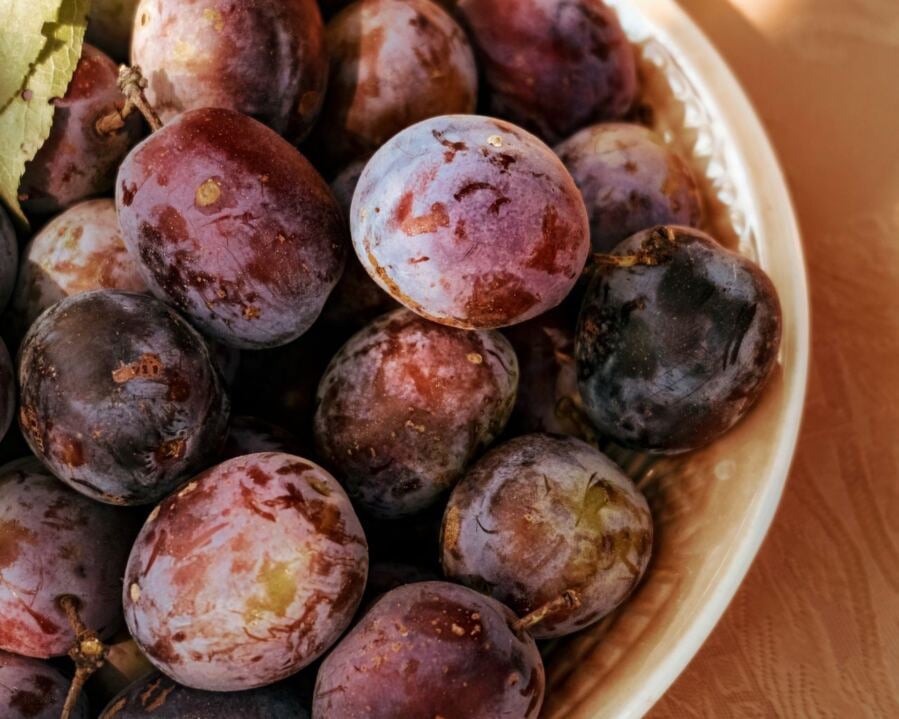
Quality Over Quantity: The type of produce consumed is crucial. Flavanol-rich foods, such as a punnet of plums or a cup of green tea, provide considerable amounts, while bananas or carrots contribute only slightly. The variation in flavanol concentration within the same fruit type is influenced by factors such as climate and storage, creating uncertainty about whether your diet is adequate.
Measurement Methodology: This study assessed flavanol levels through urinary biomarkers instead of food diaries, which may not be reliable. The findings indicated that, despite adhering to general dietary recommendations, many individuals fail to reach the target flavanol intake.
Implications and Recommendations: Although five servings of fruits and vegetables are vital, this study emphasizes the need to prioritize the intake of flavanol-rich foods. A panel of experts in the US has recommended a target intake of 400 to 600 milligrams of flavanols to mitigate heart disease risk.
Diets high in vitamins do not ensure optimal flavanol levels essential for heart health. Emphasize the consumption of blackberries, apples, green tea, and plums, and take into account the variety and growing conditions of these foods for enhanced flavanol intake. This strategy can transform ordinary dietary selections into meaningful actions towards better cardiovascular health.
**Common Queries**
1. **Why is it important which fruits and vegetables I select, if I’m already achieving the five-a-day target?**
– Flavanol distribution differs among produce. While certain fruits and beverages like plums or green tea are rich in flavanols, others like bananas provide minimal amounts, highlighting the importance of specific choices.
2. **Is it accurate that health-conscious individuals may still not consume enough flavanols?**
– Yes. Many people, even those following dietary guidelines, frequently fall short of the recommended flavanol intake, especially in the UK where tea consumption affects flavanol levels.
3. **What actual impact do flavanols have on heart health?**
– The COSMOS trial demonstrated a 27% reduction in cardiovascular deaths with a daily intake of 500 milligrams of flavanols, indicating a significant influence on heart health.
4. **What’s the simplest way to increase my flavanol intake throughout the day?**
– Choose high-flavanol options like berries, unpeeled apples, broad beans, and green tea. These choices can be more advantageous than multiple servings of foods lower in flavanols.
In summary, while a well-rounded diet is vital, including specific flavanol-rich foods can improve heart health results. This evidence suggests that a minor yet meaningful alteration in dietary choices could enhance long-term cardiovascular wellness.