Deep within the colon, where darkness and oxygen are absent, a bacterium known as Faecalibacterium prausnitzii dedicates its existence to decomposing the fiber consumed during lunch. It ranks among the most prevalent microbes in a healthy human intestine and is incredibly beneficial. Remove it, and the entire ecosystem changes: less fiber undergoes fermentation, fewer soothing compounds are produced, and the intestinal wall begins to deteriorate. In individuals with lupus, this bacterium is notably absent.
Researchers at UT Health San Antonio have reinstated it, at least in mice, observing a reduction in disease severity. Their findings, published in Nature Communications, are considered the first potential probiotic approach for lupus.
Systemic lupus erythematosus is an autoimmune condition in which the body attacks its own tissues, causing inflammation in joints, skin, kidneys, the brain, and other areas. Approximately 1.5 million Americans suffer from it. There is no definitive cure, and conventional treatments (such as steroids and various immunosuppressants) diminish the immune system as a whole, leading to weight gain, swelling, and an increased risk of infections. Infection, disturbingly, is a primary cause of mortality in lupus. Therefore, a therapy that gently adjusts the immune response via gut influence instead of suppressing it universally would represent a genuinely novel treatment paradigm.
For the past ten years, it has been established that the gut of lupus patients appears abnormal. Several bacterial culprits have already been identified as contributors to the disease. What had not been attempted was the reverse: to discover a beneficial bacterium that goes dormant in lupus, reintroduce it, and observe whether that aids in treatment.
The fiber connection
The research team, led by Yong Ge and Laurence Morel, concentrated on a specific strain they refer to as UT1. F. prausnitzii acts as the primary producer of butyrate in the gut, a short-chain fatty acid that nourishes the cells lining the colon and supports the maintenance of mucin, the slick, protective layer separating your gut contents from the rest of your body. This bacterium generates butyrate only when fiber is available for fermentation. Remove the fiber, and the consequences deteriorate rapidly.
“If there are fewer bacteria digesting that fiber, there will be lower short-chain fatty acid levels and a more pro-inflammatory state,” Ge states.
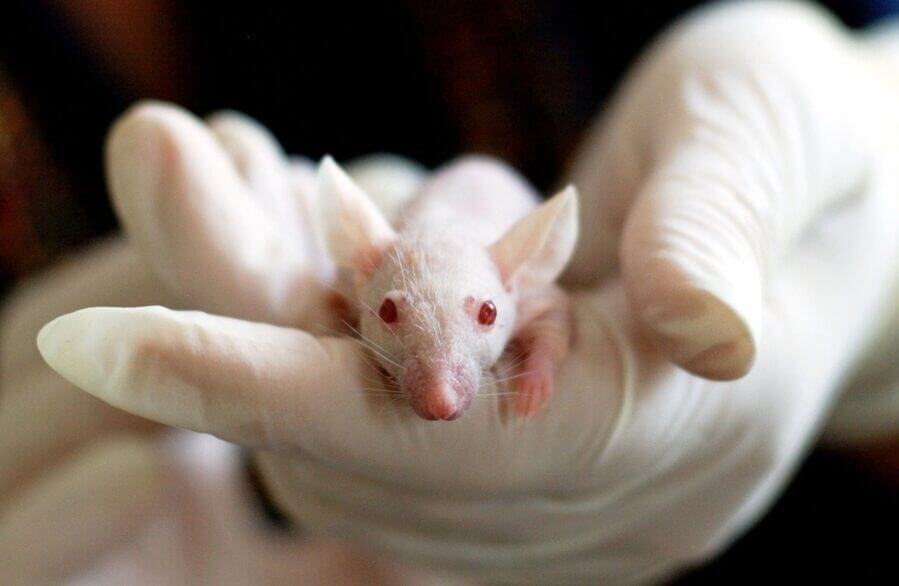
Using a mouse strain that reliably develops lupus, the researchers administered UT1 orally every few days, initiating treatment prior to symptom onset. They then assessed the gut on three fronts simultaneously: identifying which microbes were present (metagenomics), determining which genes those microbes were activating (metatranscriptomics), and analyzing the chemicals produced from this activity (metabolomics). This combined analysis, referred to as a multiomics approach, was crucial because the same metabolite might arise from various microbial pathways, and DNA alone reveals only the identity of the microbes without indicating their activities. It was discovered that the lupus microbiome had subtly altered its carbohydrate processing from dietary fiber to consuming the host’s mucin. UT1 redirected it back towards fiber fermentation.
One strain, many effects
The ramifications extended beyond expectation. Reintroducing the strain partially reinstated the equilibrium between regulatory T cells (the immune system’s mediators) and inflammatory Th17 cells in the colon. It reduced the autoantibodies characteristic of lupus and alleviated damage to the kidneys, an organ frequently affected by this condition. Throughout this process, the microbiome began producing different tryptophan metabolites, namely indoleacetic and indoleacrylic acids, which are molecular compounds known to help regulate immune responses.
“We were thrilled that a single probiotic strain could have such significant effects,” Ge expresses.
A note of caution, as this research was conducted using mice, and lupus has proven challenging for many prospective treatments. The precise mechanism remains unclear; UT1 appears to function indirectly by encouraging the microbiome to digest less mucin and more fiber, rather than through a straightforward mechanism. Furthermore, F. prausnitzii is quite particular. It is extremely sensitive to oxygen, becoming inactive immediately upon exposure to air, and it diminishes rapidly, necessitating continual replenishment. Additionally, it is not typically found in standard supermarket probiotic yogurts; the beneficial effects are strain-specific, and this particular strain is absent from commonly available products.
“This is the first instance in lupus research where we have pinpointed a bacterium that is diminished and, when reintroduced, confers benefit,” Morel remarks. This perspective shifts the narrative; for years, the microbiome story in lupus focused on adversaries. This changes the dynamic: a missing partner is restored.
The next steps involve deciphering which specific molecules confer protective effects and whether dietary adjustments can be made to nourish the appropriate bacteria. The team aims to track specific dietary carbohydrates all the way through to