**The Behavioral Impact of Toxoplasma gondii: Distinguishing Reality from Myth**
The discourse surrounding Toxoplasma gondii, frequently referred to as the “mind-controlling parasite,” intrigues with its seemingly direct effect on conduct. Nevertheless, the truth is significantly more intricate and ambiguous. Instead of a simple tale of a parasite directing its host’s behavior, the science is filled with subtleties and unresolved inquiries.
**Comprehending Toxoplasma gondii**
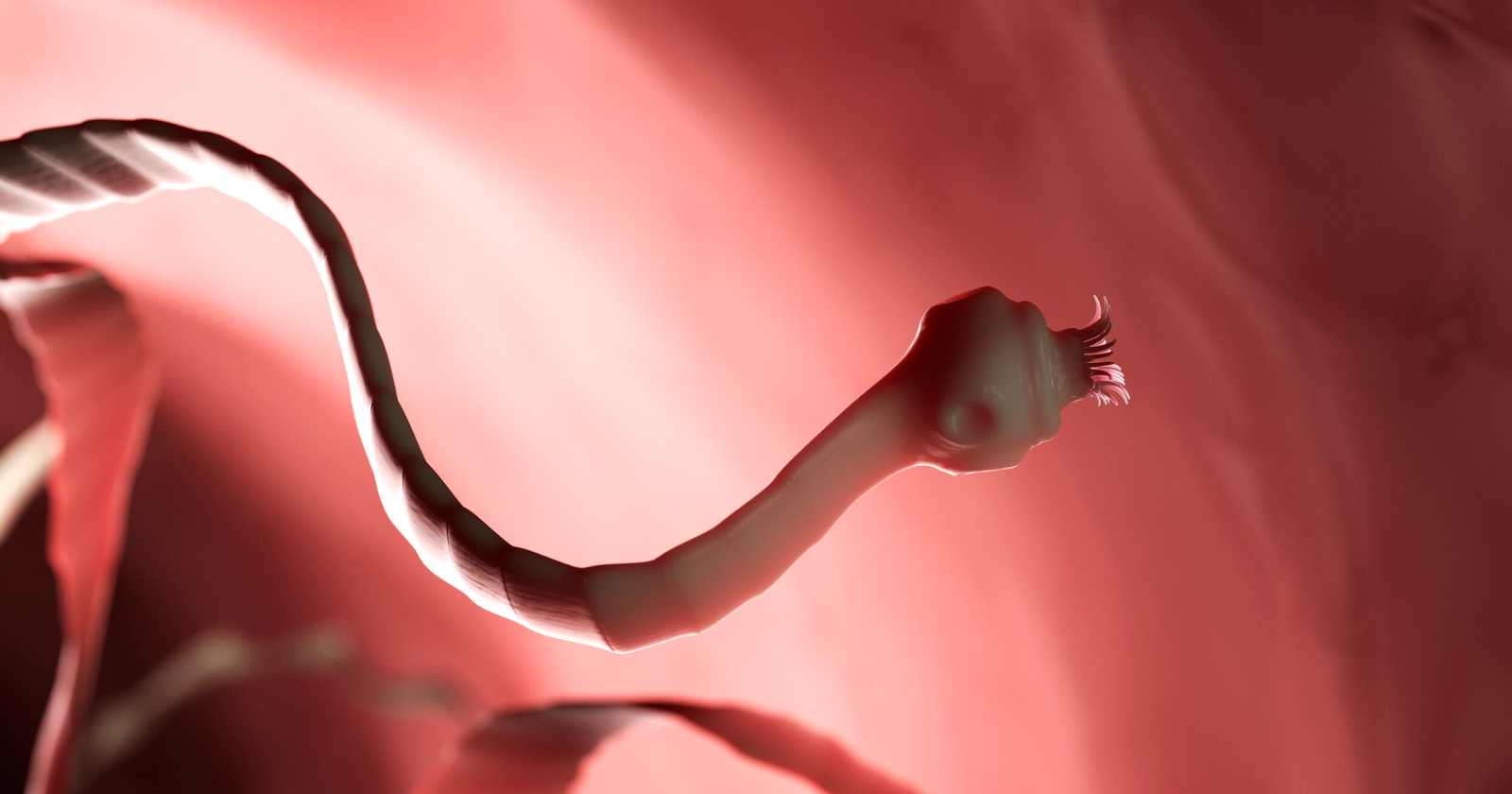
Toxoplasma gondii is a widespread single-celled parasite capable of infecting numerous warm-blooded species, including humans. Cats are pivotal in its lifecycle, functioning as the only identified definitive hosts where the parasite reproduces sexually. Humans usually acquire the infection by coming into contact with contaminated food, soil, water, or cat feces. Despite its prevalent nature, many infections go unnoticed, with individuals oblivious to their condition.
A 2025 study published in *Acta Psychologica* introduces a novel approach for detecting latent toxoplasmosis through response-time analysis, linked to risk-taking behavior in a cohort from the UK. While fascinating, these results depend on an indirect metric rather than direct serological evaluations, thus containing intrinsic constraints on interpretation and causal assertions.
**The Rise of Behavioral Connections**
The idea that T. gondii affects behavior arose from observations made in other species. In a crucial study from 2000, researchers discovered that infected rats showed changed reactions to cat scents, theoretically enhancing the parasite’s likelihood of completing its life cycle in a feline host. These discoveries sparked hypotheses concerning possible behavioral effects in humans, resulting in multiple studies investigating correlations with traits such as aggression and impulsivity.
However, these studies emphasize associations rather than confirmatory relationships—observations do not necessarily imply definitive evidence that the parasite is the primary influence behind identified behaviors. Elements like socioeconomic factors, personal choices, and other confounding variables might significantly shape these trends.
**Latest Insights from UK Surveys**
The 2025 research contributes to the intricate mosaic of studies on T. gondii and human behavior. By establishing a method to cost-effectively identify latent infections across extensive populations, the study indicates associations with risk-taking and mental health parameters. However, the dependence on a proxy measure indicates a need for cautious interpretation, as the classifications lack the definitiveness achieved through direct blood tests.
**The Significance of Causation and Context**
There are three main paths to elucidate the observed trends: causation, reverse causation, or confounding. The possibility that latent infection may affect behavior attracts considerable interest, yet it is feasible that risk-associated individuals may be more vulnerable to infection due to lifestyle choices. Furthermore, other uninvestigated factors may concurrently increase both infection likelihood and behavioral inclinations.
It’s noteworthy that a 2016 study in *PLOS ONE* found limited connections between T. gondii infection and psychiatric or behavioral irregularities, acting as a significant counterbalance to more sensational assertions.
**Scale and Implications**
Considering that T. gondii infects a substantial portion of the global population, minor associations with behavior might be exaggerated. The Centers for Disease Control and Prevention (CDC) confirms that toxoplasmosis is preventable and treatable, highlighting that many infected individuals remain asymptomatic.
Although various studies have identified correlations between infection indicators and behavioral results, the overarching scientific challenge resides in determining whether the parasite directly induces these variations. Until strong causal mechanisms are clarified, the emphasis should be on systematic, evidence-based research rather than anecdotal accounts of mind control. Only through diligent and prolonged inquiry will the true extent of T. gondii’s behavioral impact be comprehended.