**The Banana Equivalent Dose: Grasping Radiation Through Familiar Comparisons**
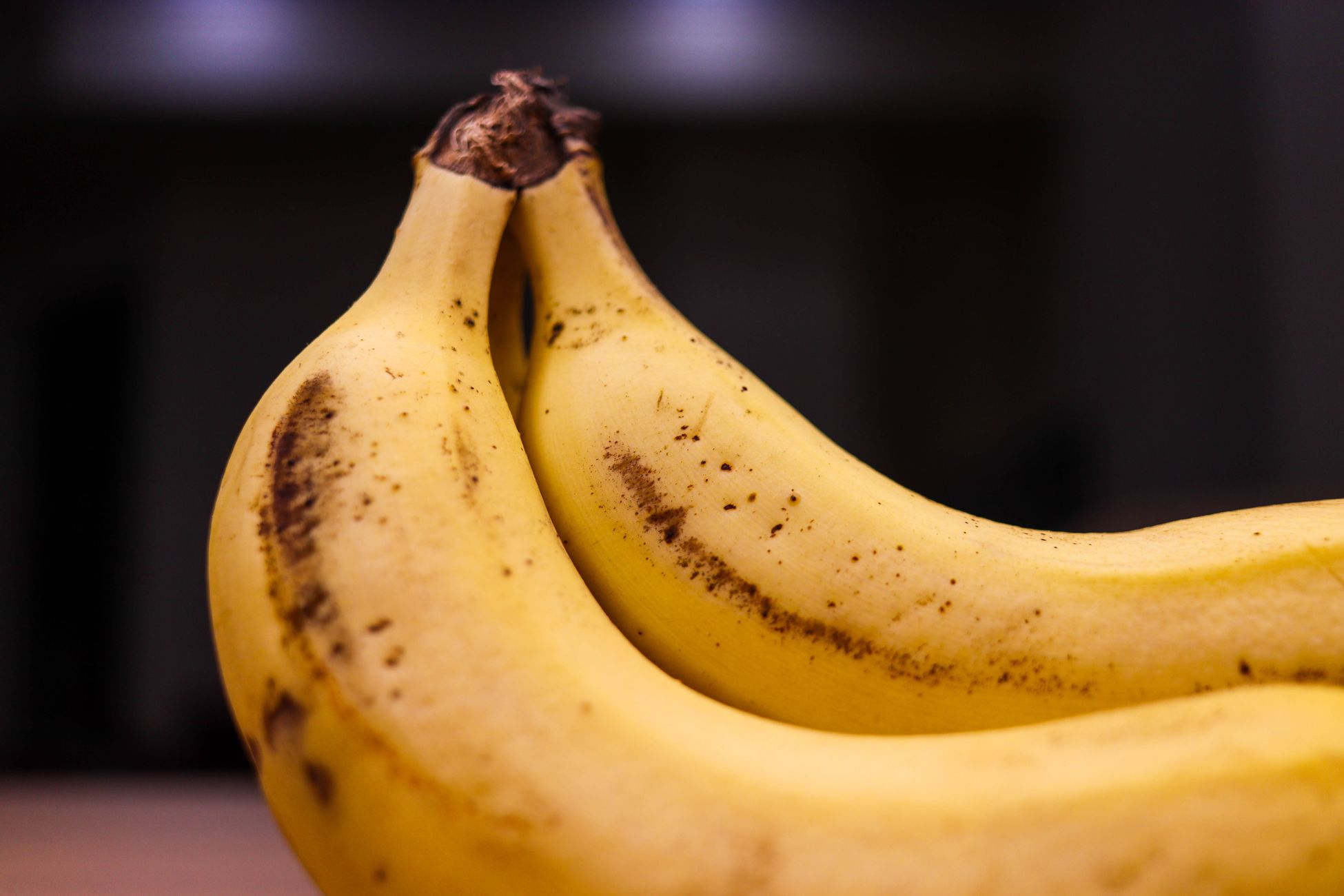
The term “banana equivalent dose” emerged in the 1990s to assist the general public in grasping radiation in a more comprehensible manner. The analogy was straightforward: eating one banana subjects you to approximately 0.1 microsieverts of ionizing radiation due to potassium-40, a naturally occurring radioactive isotope. This radiation level is small, so using bananas as a reference makes other radiation measurements appear less daunting.
Bananas possess radioactivity because they contain potassium, which has a minor percentage of potassium-40. This isotope has existed since Earth’s inception and will persist for billions of years, rendering potassium-40 an excellent universal point of reference for elucidating radiation.
**The Enduring Isotope, Potassium-40**
Potassium-40 mainly decays into calcium-40 and less frequently into argon-40, emitting gamma rays capable of activating radiation detectors. Nonetheless, customs agents usually acknowledge these signals as benign when they come from bananas.
**The Calculation of 0.1 Microsieverts**
The figure of 0.1 microsieverts arises from assessing the potassium content in a banana, modified for the proportion that is potassium-40 and considering how the body processes it. The body regulates its potassium levels, so eating a banana doesn’t raise the long-term potassium-40 in your system, which is why this figure serves more as an educational tool than a precise scientific metric.
**Radiation Comparisons in Banana Terms**
In terms of perspective, one dental X-ray equates to numerous bananas, a flight from New York to Los Angeles corresponds to several hundred, and a chest CT scan is comparable to tens of thousands of bananas. Even living near the Chernobyl exclusion zone, in accessible zones, results in a lower radiation exposure than a few dozen bananas per hour.
**Limitations of the Banana Equivalence**
The banana equivalent dose does not constitute a formal scientific metric since it loses accuracy at larger scales and with various isotopes. Human biology does not sum doses from bananas as it does from other radiation sources. Unlike bananas, isotopes such as iodine-131 and strontium-90 accumulate in certain body tissues, leading to an imprecise direct comparison.
**More Radioactive Foods**
Curiously, bananas are not the most radioactive food item. Brazil nuts, due to their radium uptake from the soil, are more radioactive per gram than bananas. Other potassium-rich foods also result in greater potassium-40 exposures.
**The Cultural Impact and Purpose**
Bananas became the emblem due to their universal familiarity and were designed to enhance public health communication by making radiation figures more easily understood. This strategy was never intended for rigorous scientific debate, as using it to justify substantial exposures would be misleading.
**The Cosmic Banana Tale**
The potassium-40 in a banana has traversed space and time. Formed in stars, it became part of the Earth and daily foods. Consuming a banana slightly raises the radiation emitted by your body as it metabolizes the fruit. This story not only clarifies radiation levels but also emphasizes how prevalent and ordinary radiation is in our environment.