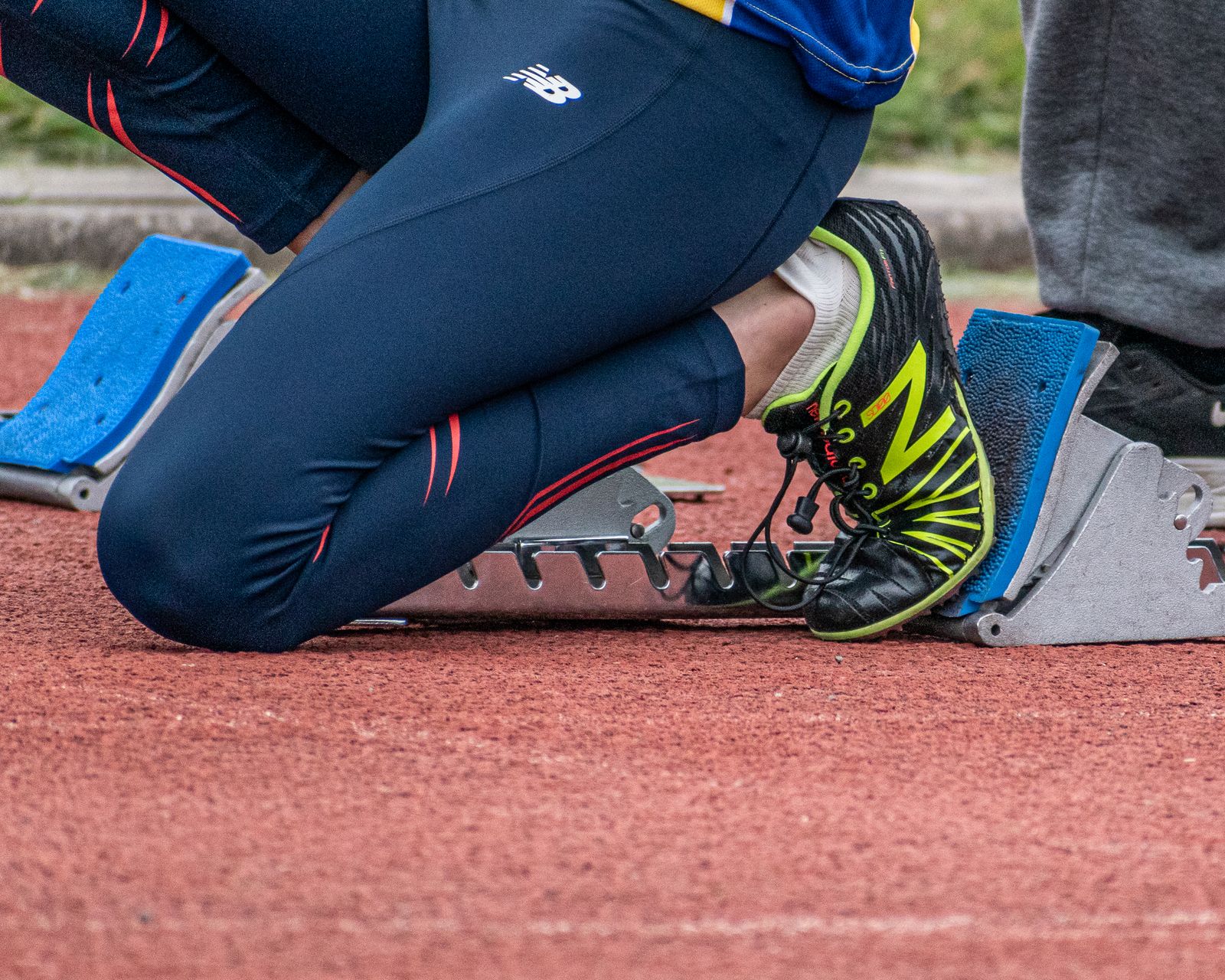
Execute a maximum-effort sprint from the start, and the ATP already present in your leg muscles is depleted in about two seconds. Not depleted in the sense of being low, but entirely used, hydrolysed, expended — the phosphate bonds have broken to release the energy necessary for the initial two or three strides. Yet, the sprint continues. For an additional six, eight, sometimes ten seconds, the legs are still operating at nearly full power. What fills the void is a secondary molecule stored within the same muscle fibres at concentrations around 120 millimoles per kilogram of dry muscle: creatine phosphate, the cell’s emergency recharge mechanism.
The figure may seem abstract. However, the implications are far from it. This is why a 100-metre sprinter can maintain peak speed from about the 30-metre mark to the 60-metre mark without their legs simply ceasing. It’s the reason a heavy deadlift is even feasible. Moreover, it’s why a supplement first isolated from meat broth in 1832 has become, by a significant margin, the most researched ergogenic aid in the field of sports science.
The two-second precipice
Adenosine triphosphate is the molecule every cell in the body utilizes to perform work. Muscle contraction, nerve transmission, the movement of ions across a membrane — all of these processes depend on ATP hydrolysing to ADP and releasing a surge of chemical energy. The flaw is that muscle cells don’t retain much of it. Resting concentrations hover around 5 to 8 millimoles per kilogram of wet muscle, which provides enough energy for a couple of seconds of maximum contraction at most.
Research conducted by exercise physiologists examining energy pathways during repeated sprints has detailed this extensively. A Nature-published study on bioenergetic pathway contributions during single and repeated sprints illustrates how swiftly the stored ATP reservoir diminishes and how quickly the phosphocreatine system takes charge within the initial seconds of exertion.
If ATP was the sole fuel source, a sprint would conclude before the athlete completed the third stride.
What Chevreul extracted from meat
In 1832, French chemist Michel Eugène Chevreul concentrated skeletal muscle broth until only a residue remained, isolating a compound that had not been documented before. He named it after the Greek kreas — flesh — because that is where he found it. Almost two centuries later, that origin still indicates the molecule’s residence.
Approximately 95 percent of the body’s creatine is found within skeletal muscle, according to clinical insights on creatine biochemistry. Most of it exists in a phosphorylated state — creatine phosphate, also referred to as phosphocreatine — attached to a high-energy phosphate group and on standby.
The body produces about one gram per day. The liver, kidneys, and pancreas quietly synthesize it from three amino acids: glycine, arginine, and methionine. The remaining daily intake has traditionally come from food. Roughly two to five grams can be found in a pound of raw beef or salmon. Once cooked, chewed, and absorbed, it finally resides in the same muscle store.
The reloading process
This is where the 120 millimoles per kilogram becomes significant. When ATP relinquishes its terminal phosphate to enable a contraction, it converts into ADP. When left alone, ADP is ineffective — the cell cannot utilize it for work. However, nearby in the sarcoplasm is creatine phosphate, holding its own high-energy phosphate bond. The enzyme creatine kinase facilitates the transfer in essentially one quick step: phosphocreatine plus ADP turns into creatine plus ATP.
This reaction occurs rapidly. Quicker than glycolysis. Much quicker than mitochondrial oxidative phosphorylation, which requires seconds to initiate and demands oxygen that the sprinting muscle does not yet possess in adequate amounts. Creatine phosphate stands as the only system in the cell capable of regenerating ATP at the pace a maximal contraction consumes it.
Consider it more as a bank of pre-charged energy rather than just a fuel tank.