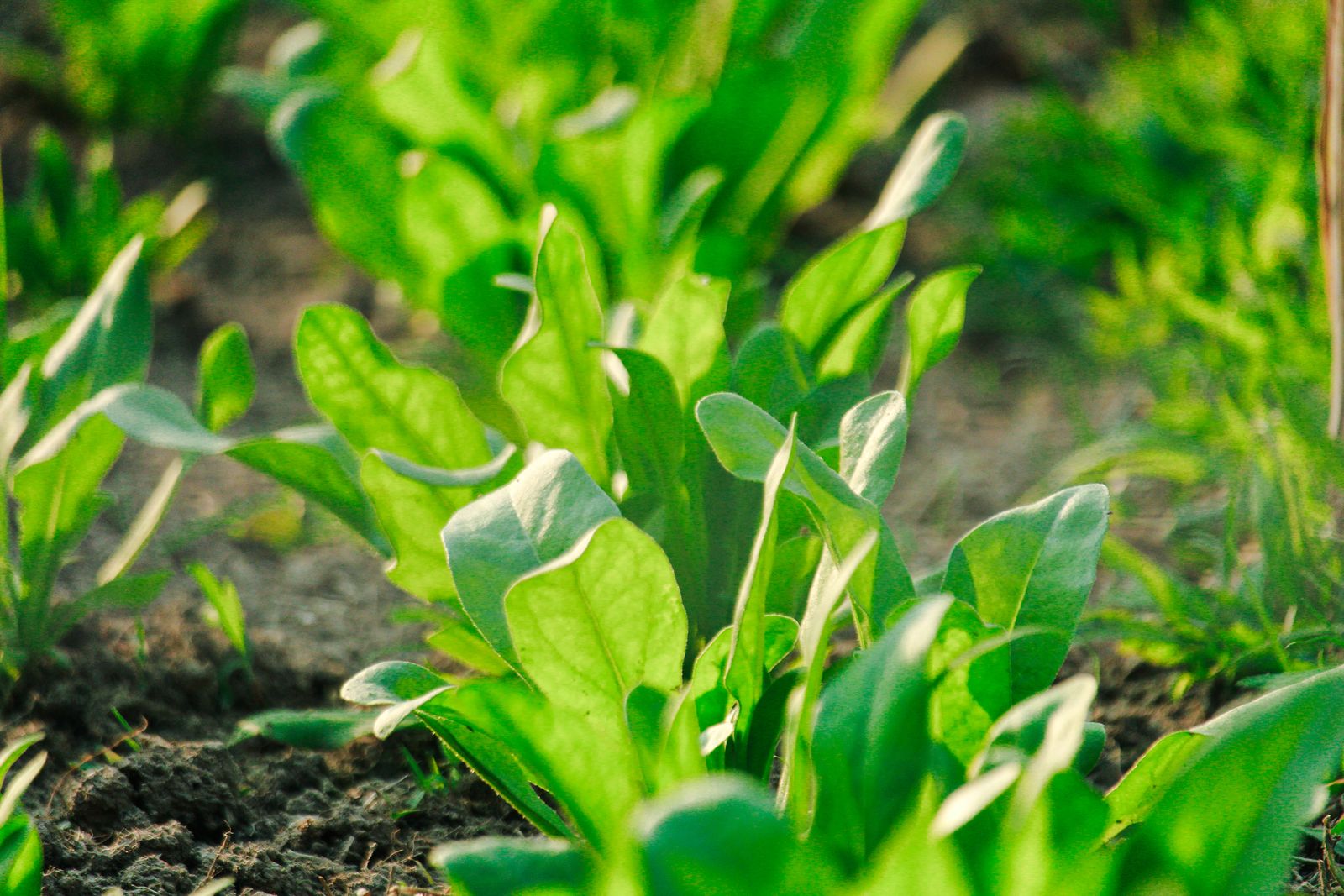
A solitary cup of uncooked spinach — the benign green foundation of countless weekday salads — contains oxalic acid, a substance that the plant developed to render itself an unpalatable meal. Within a human body, that same compound can bind to calcium and form tiny crystals sharp enough to damage the lining of a ureter.
Spinach is not intent on nourishing you. Its goal is to remain inedible. The chemistry is ancient, methodical, and strikingly effective.
Oxalic acid, or its ionized variant oxalate, ranks among the most prevalent plant defense compounds worldwide. It resides within spinach leaves in the form of needle-like raphide crystals, contained within specialized cells that break apart when chewed. For a caterpillar, that release is a significant setback. For humans, it’s the reason a raw spinach smoothie has a subtle taste reminiscent of chalk and metal.
### The oxalate content
Raw spinach is positioned near the top of dietary oxalate charts designed for clinical reference, alongside rhubarb stalks, almonds, and cocoa. Dietitians advising on kidney stones classify it as a high-risk food for good reason: [urologists consistently identify spinach, nuts, beets, chocolate, and brewed tea](https://www.everydayhealth.com/kidney-stones/foods-with-high-oxalate-uric-acid/) as the primary offenders when a patient’s urine chemistry reveals increased oxalate levels.
Oxalic acid is a small, symmetrical molecule — two carboxyl groups linked together, with the formula H₂C₂O₄. It is the most straightforward dicarboxylic acid found in nature, and one of the toughest organic acids produced by plants. Within leaf tissue, it typically exists bonded to calcium as calcium oxalate, creating the minuscule mineral needles that impart a subtle sandy texture to raw spinach.
### What happens when you swallow it
Once ingested, some of that oxalate remains attached to calcium and exits harmlessly in stool. This aspect pleases nutritionists: dietary oxalate can actually diminish calcium absorption from the same meal since the two bind in the intestine, preventing either from crossing the gut wall.
The remaining portion poses a concern. Free oxalate — unattached, dissolved — traverses the intestinal lining, enters the bloodstream, and is filtered by the kidneys. The kidneys lack the ability to metabolize it. Their sole option is to concentrate it in urine and expel it.
Within the renal tubules, oxalate encounters calcium once more. This reunion takes place in a hot, concentrated, slightly acidic liquid moving through tiny channels. Calcium oxalate is exceptionally insoluble in that context, leading to crystallization. Researchers investigating [the impact of urine pH on calcium oxalate crystal growth](https://www.nature.com/articles/nrdp20168?error=cookies_not_supported&code=2f182113-656b-431e-a8e0-897f9cd61c83) have demonstrated that even minor changes in acidity can affect how these crystals develop, how they adhere to tubule cells, and whether they are absorbed by kidney tissue instead of being excreted.
The crystals resemble small envelopes or bipyramidal spikes. Under magnification, they appear almost ornamental. Within a ureter, they feel like trying to pass a piece of gravel through a straw.
### The most common kidney stone on Earth
Calcium oxalate is the predominant composition of kidney stones globally. [Urologists interviewed by USA Today in 2025](https://www.usatoday.com/story/life/health-wellness/2025/06/23/what-causes-kidney-stones/84266272007/) estimate that about 11 percent of men and 9 percent of women in the United States will experience this condition at some point in their lives. Kidney stones can vary from fine grit to formations that occupy an entire kidney, and any stone obstructing kidney drainage can inflict intense pain. Some patients articulate that the experience is more painful than childbirth. The discomfort arises not from the stone’s formation but from its movement, scraping down a tube approximately 3 millimeters wide.
Elevated oxalate levels in urine — hyperoxaluria — is a primary contributing factor. This condition can be genetic, or influenced by dehydration and obesity, or, particularly concerning for spinach consumers, by the excessive intake of high-oxalate foods. Kidney stones are also associated with an increased long-term risk of chronic kidney disease, hypertension, and cardiovascular conditions.
### Why spinach in particular
Spinach is not the solitary source of oxalate in the produce section, but it is particularly high in concentration. Beet greens, Swiss chard, and amaranth also burden their leaves with oxalate crystals as a means to deter herbivores. These needles are mechanically irritating to insects and grazing mammals. In cattle, a high-oxalate diet can lead to both acute poisoning and long