**The Devastating Cycle of Fire and Moth in Krasnoyarsk**
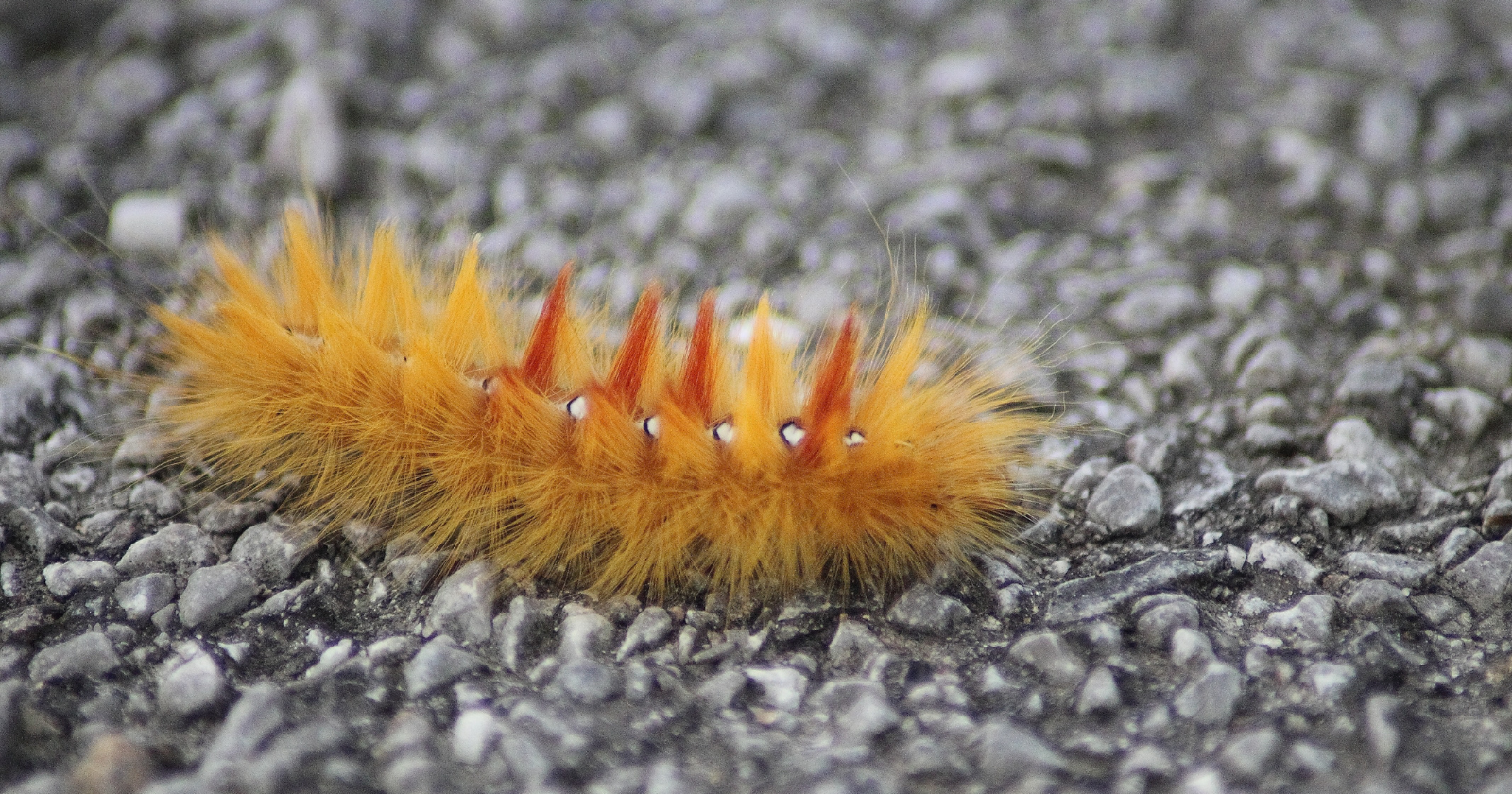
The Krasnoyarsk forests in Siberia are enduring a catastrophic wildfire season, with an unforeseen adversary lurking in the shadows—a moth. The Siberian silk moth (Dendrolimus sibiricus) has been quietly aiding the ongoing disaster, even as flames and heat dominate news coverage.
**Unseen Destruction by the Siberian Silk Moth**
This moth species causes extensive defoliation throughout central Siberia, targeting fir, spruce, larch, and pine trees. The caterpillars of the Siberian silk moth feed on needles, leaving trees stripped bare. Trees that fail to regenerate their needles over successive years perish, remaining upright as dry, combustible debris.
A study published in “Frontiers in Insect Science” investigated the moth’s life cycle, revealing that intricate environmental factors affect population increases. Satellite imagery shows the widespread impact of outbreaks, with large regions suffering in recent years, generating vast quantities of deadwood that heighten the area’s susceptibility to more severe fires.
**A Historical Pattern of Destruction**
The influence of the Siberian silk moth is not a recent phenomenon. Historical records illustrate massive outbreaks over the centuries, destroying millions of hectares of forestland. This recurring cycle indicates that the current wildfires are the result of prior ecological occurrences, initiated long before fire seasons peak.
**The Missed Connection**
The delay between moth outbreaks and resulting fire seasons can obscure the links between these phenomena, complicating efforts for communities and officials to grasp the overall situation. While the wildfire crisis demands urgent focus, the fundamental ecological problems frequently go unnoticed until the risk of fire becomes undeniable.
**Difficulties in Mitigation**
Addressing these fires is multifaceted. The magnitude of moth-inflicted deadwood renders clearing initiatives unfeasible. Since the moth is indigenous, eradication is not an option, and historical evidence reveals similar challenges encountered by previous generations.
**Looking Forward**
Grasping the relationship between moth outbreaks and wildfire risk is vital for future strategies. Current wildfires are intensified by earlier ecological events, along with scorching summers. The cycle of devastation may persist unless mitigation approaches adapt beyond just immediate firefighting.
While the region grapples with this environmental emergency, recognizing this complex interaction between insects and fire can pave the way for more comprehensive forest management tactics, possibly ending the cycle that has troubled Siberia for more than a century.