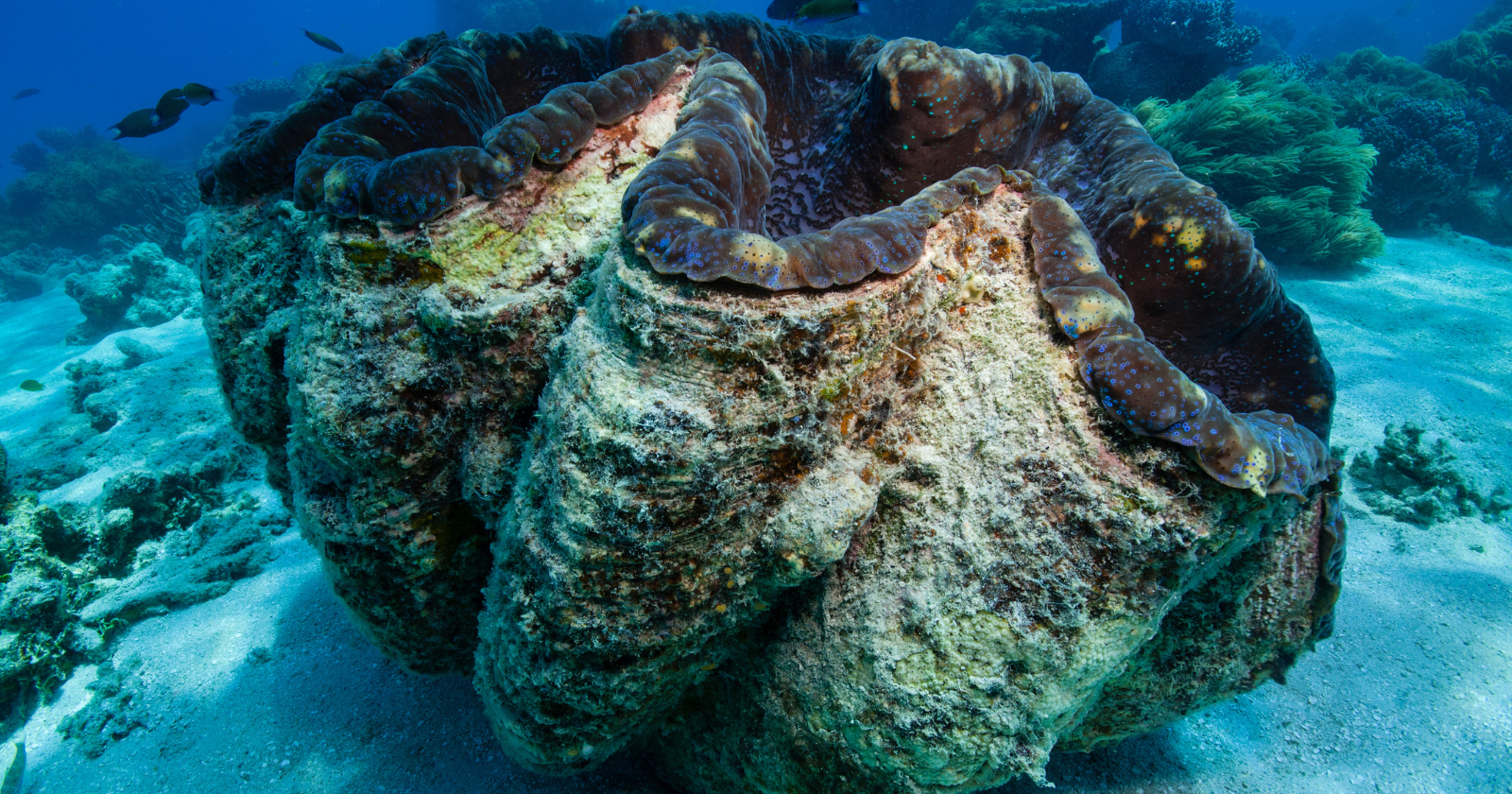
The clam unearthed in 2006 during a routine dredging operation off the coast of Iceland proved to be an exceptional specimen among a collection of 200 gathered by Bangor University researchers. Initially thought to be approximately 405 years old, this clam, nicknamed Ming after the Ming dynasty, was subsequently determined to be 507 years old. The finding unveiled a captivating historical narrative, as Ming existed through numerous pivotal events and developments in human history. Ocean quahogs, the category to which Ming belonged, are renowned for their remarkable longevity, which is linked to their slow metabolic rate and effective cellular repair systems. Ming’s demise, resulting from standard preservation techniques employed for scientific examination, unintentionally underscored the astonishing lifespan of these seemingly ordinary yet biologically exceptional bivalves. While Ming’s existence concluded before its importance was recognized, its narrative endures as a tribute to the wonders of the natural world, now honored at the National Museum of Wales.