**The Revelation of Nagatitan chaiyaphumensis: The Largest Dinosaur in Southeast Asia**
In 2016, an extraordinary find took place in the Chaiyaphum province of northeastern Thailand. The village pond, significantly diminished due to the dry season, revealed a remarkable secret—massive bones later identified as belonging to Nagatitan chaiyaphumensis, the largest dinosaur ever unearthed in Southeast Asia. The importance of these discoveries, detailed in a 2026 edition of Scientific Reports, has garnered the interest of the worldwide scientific community.
**Revealing a Titan**
A solitary collection of assorted rocks led to the unearthing of a partial skeleton that included four back vertebrae, fused hip vertebrae, ribs, a right hip blade, both pubic bones, a nearly intact right thigh bone, and a significant upper arm bone measuring 1.78 meters. These remains, housed at Sirindhorn Museum in Kalasin province, represent one colossal creature.
**Measuring the Giant**
Estimated to weigh between 25 and 28 tonnes and measuring around 27 meters in length, Nagatitan chaiyaphumensis is comparable to the weight of nine adult Asian elephants. While it may be eclipsed by South America’s Patagotitan, its role as a regional giant firmly establishes it within the paleontological records of Southeast Asia.
**The Conclusion of an Era**
Known as “the last titan,” Nagatitan was excavated from the Khok Kruat Formation, the most recent rock layer containing dinosaur fossils in Thailand. As the land shifted into a shallow marine environment, conditions for preservation worsened. This implies that although sauropods may have continued to inhabit the area, their fossil documentation has diminished due to geological transformations rather than extinction.
**A Peek Into the Past**
Nagatitan’s environment, a dry landscape interspersed with rivers, supported a variety of life forms, including fish, freshwater sharks, crocodiles, iguanodontians, and carnivorous dinosaurs. This suggests that the mid-Cretaceous period encouraged an increase in body sizes among Asian titanosauriforms, with Nagatitan possibly being part of this evolutionary advancement.
**A Continuing Discussion**
The classification of Nagatitan within the Euhelopodidae family has sparked debate among paleontologists. Likely not related to Phuwiangosaurus from Thailand and Tangvayosaurus from Laos, its distinct spinal, hip, and leg characteristics challenge the idea of an isolated regional evolutionary pathway.
**A Nation’s Paleontological Promise**
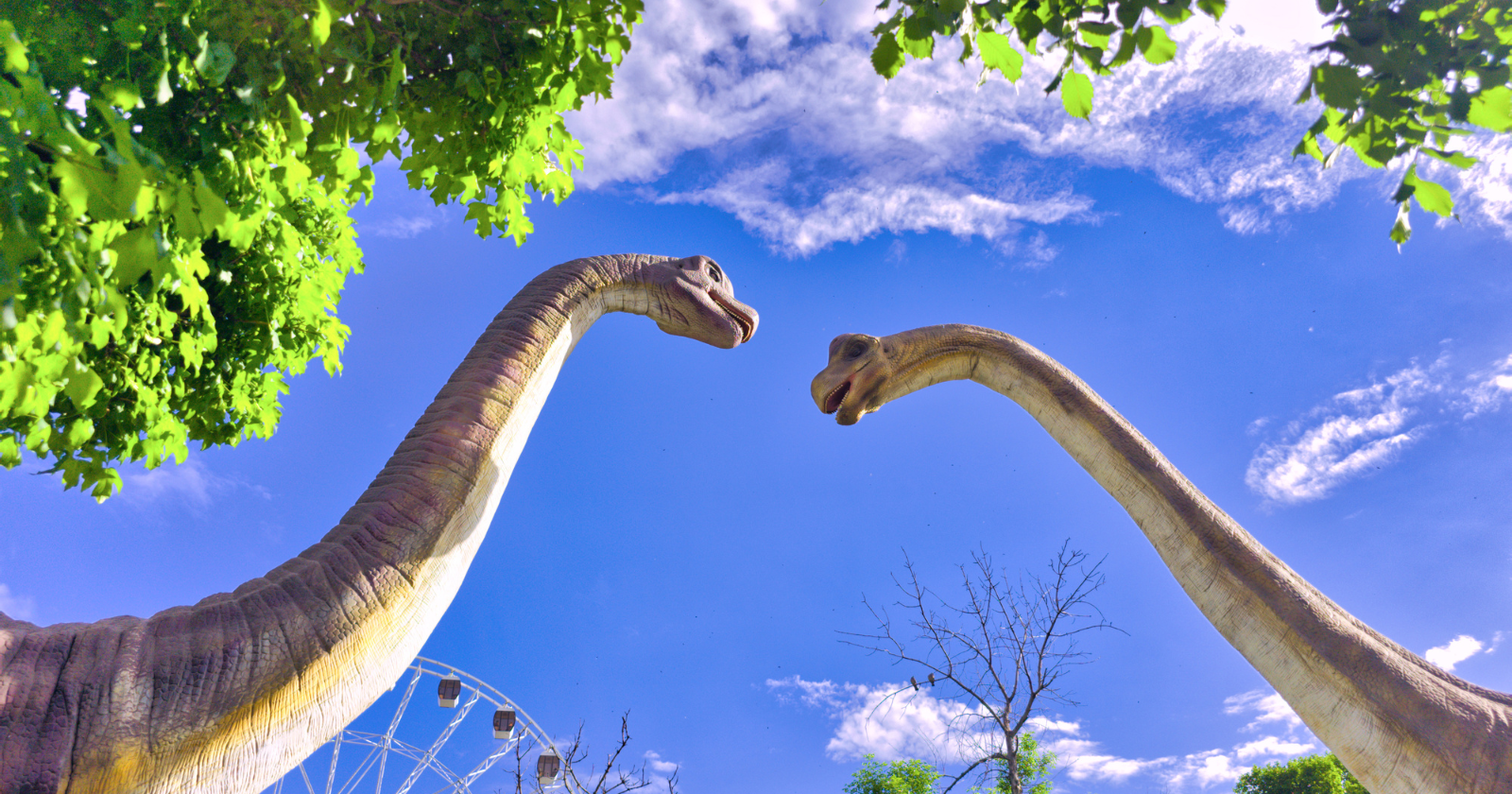
Nagatitan represents only the fourteenth dinosaur formally named in Thailand since its initial discovery in 1986. This revelation, part of Project Thaitan, could establish Thailand as a fossil-rich nation with the potential for numerous new species awaiting formal classification. A life-sized replica is now displayed at the Thainosaur Museum in Bangkok, inviting global interest in this invaluable paleontological heritage.
As fresh discoveries come to light from Thailand’s wealth of unexplored fossils, the narrative of Nagatitan chaiyaphumensis stands as an encouraging chapter in the understanding of Southeast Asia’s ancient ecosystems. The last titan may soon discover itself among newly recognized relatives in this continuously developing story.