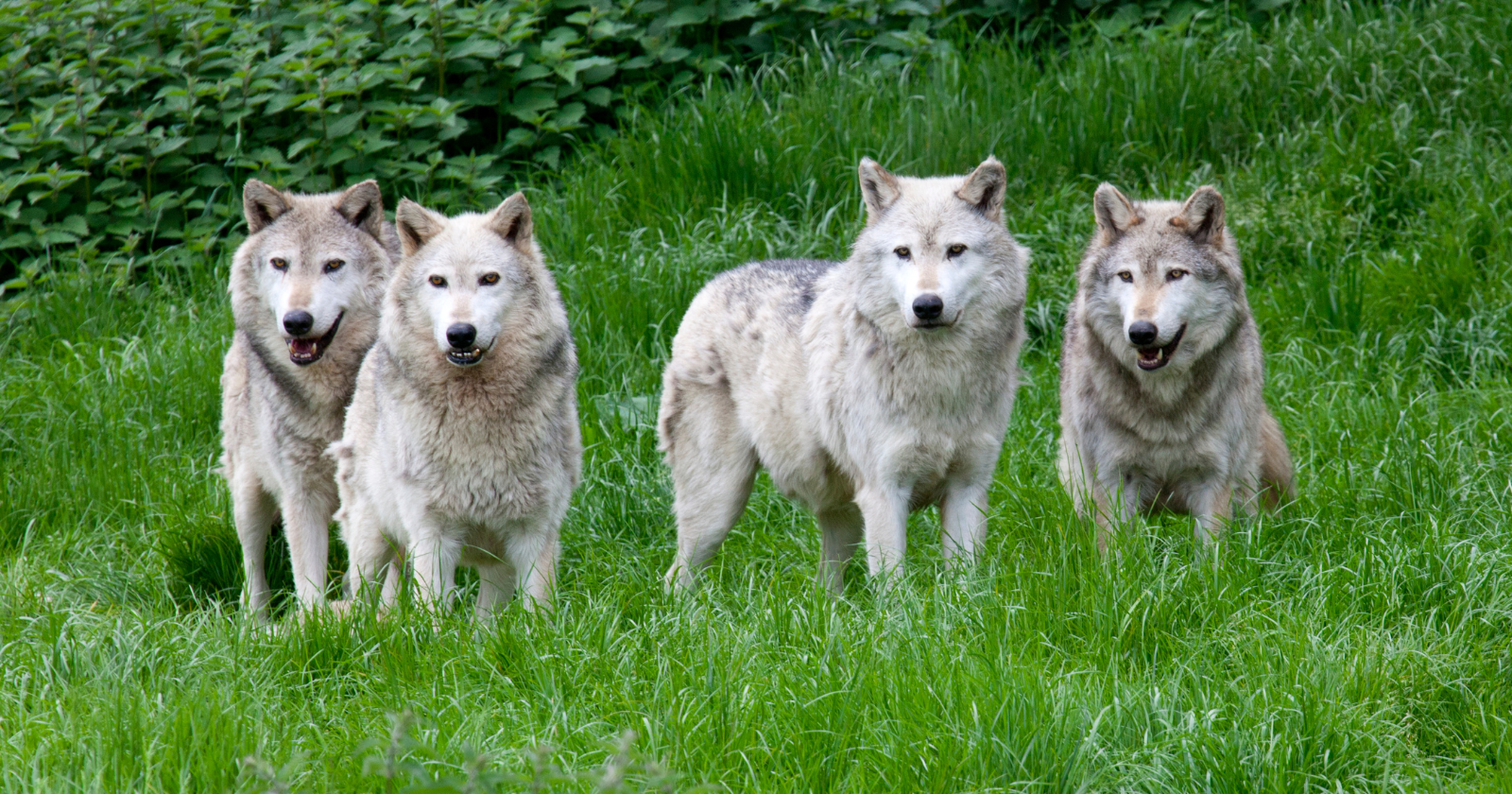
On the morning of January 12, 1995, fourteen wolves were brought to Yellowstone National Park in wooden crates. They had been captured in Alberta and British Columbia a few weeks before, held in acclimation pens near the park’s northern range, and were now being released — marking the first wolves in Yellowstone since federal predator-control programs had wiped out the last local population in 1926. A subsequent group of seventeen additional Canadian wolves arrived in 1996. This reintroduction was, at that time, one of the largest planned rewilding operations ever executed in a major national park.
Almost right away, ecologists began to observe the effects. Elk numbers fell. Certain aspen and willow stands, which had been heavily over-browsed for years, began to show early signs of rejuvenation. Beaver populations grew. A distinct narrative began to emerge — one in which the wolves sparked a series of ecological changes that extended down the food chain to plants and, ultimately, to the rivers themselves.
By 2014, that narrative had evolved into one of the most well-known tales in modern conservation. It has since been discovered to be more intricate than many viewers of the video understood.
## What the popular story stated
The version most individuals recognize originates from a 2014 online video titled “How Wolves Change Rivers,” created by the non-profit Sustainable Human and narrated by British environmental author George Monbiot.
The video lasted four minutes and 33 seconds and conveyed a specific structural storyline. Wolves returned to Yellowstone. Wolves decreased elk populations and altered elk behavior, making them less likely to stay in open riverside areas where they could be ambushed. Willows and aspens along the rivers, no longer browsed down to the ground, began to regenerate. Beavers, which rely on willows, returned to the streams. Beaver dams helped stabilize bank erosion. And the rivers themselves — the video concluded — became narrower, meandered less, and flowed clearer.
The narrative was engaging, neatly structured, and visually appealing. It presented the trophic cascade — the ecological term for a top-down influence from a predator through various lower trophic levels — as a validated fact.
“How Wolves Change Rivers” has since garnered more than 45 million views across YouTube and other platforms. It continues to be one of the most widely shared ecology videos in internet history. It has been utilized in educational settings, referenced in conservation initiatives, and featured in policy discussions regarding predator reintroduction globally.
What most viewers have not encountered is the specific state of the peer-reviewed research that the video was based on.
## What the science reveals
The foundational scientific argument for the Yellowstone trophic cascade emerged from a research group led by William Ripple and Robert Beschta at Oregon State University. Their articles, published throughout the 2000s and early 2010s, documented the particular ecological changes that the Monbiot video would later illustrate. They contended that wolves were responsible for those changes through a combination of direct predation and behavioral effects on elk.
The central claim faced challenges from the start. A 2010 paper in *Ecology* suggested that the pattern of aspen recovery was better clarified by a gradual rise in elk numbers over the preceding century than by a sudden behavioral shift after the wolves were reintroduced. A 2021 article in *Ecology Letters*, led by Elaine Brice and Dan MacNulty from Utah State University with Eric Larsen from the University of Wisconsin, demonstrated that the Ripple/Beschta sampling method — utilizing the five tallest young aspen in each stand as a metric for recovery — consistently inflated regrowth assessments. Picking the five tallest trees, MacNulty’s team found, tended to select the top 10-15 percent of young aspen in the stands that had fortuitously survived.
The most direct rebuttal came in January 2024 when Tom Hobbs and David Cooper at Colorado State University published findings from a 20-year experimental study. Their conclusion was straightforward: “the restoration of apex predators to Yellowstone should no longer be presented as evidence of a trophic cascade in riparian plant communities of small streams in the northern range.”
Ripple, Beschta, and their colleagues have countered. A 2025 article by Painter and others reaffirmed the argument for a genuine, albeit weaker, trophic cascade effect, and criticized the Hobbs/Cooper analysis on methodological grounds. The discussion is truly ongoing.
However, the primary assertion in the Monbiot video — that wolves clearly altered the course of Yellowstone’s rivers through a straightforward cascade of ecological effects — is not currently backed by the existing peer-reviewed literature. Elk numbers declined. Some plant communities rehabilitated in certain locations. Beavers increased. Whether wolves were the predominant factor, or one of many contributing influences including climate change, external human hunting, and shifts in other predator populations, is what the research continues to investigate.
## Why the disconnect is significant
The Yellowstone wolves narrative serves as a specific case study