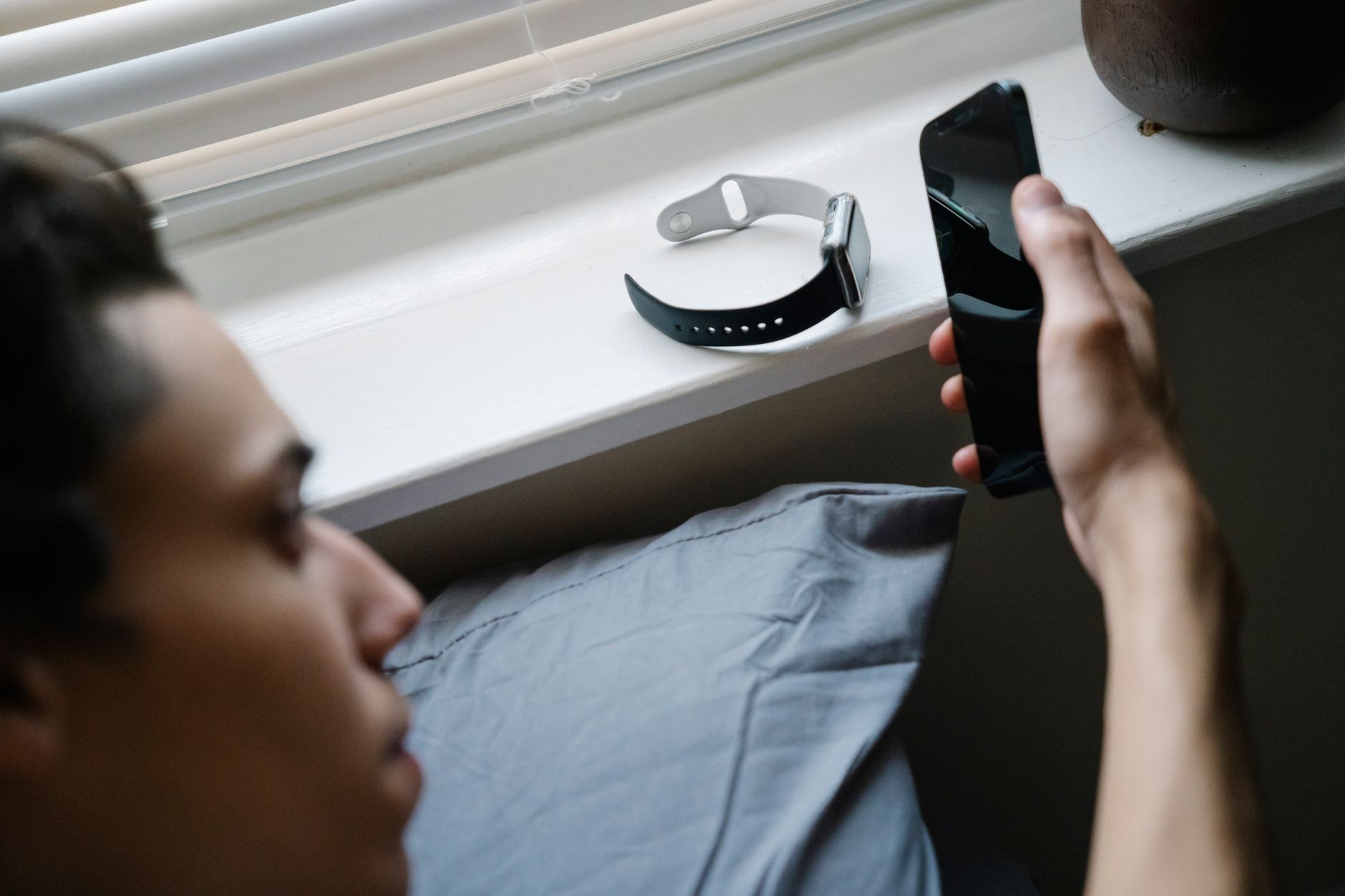
### Investigating the Capabilities of Smartwatches in Recognizing Cognitive Shifts
Smartwatches are advancing in their ability to track subtle variations in our everyday physiology and behavior, such as slight changes in resting heart rate, sleep disturbances, or alterations in daily physical activity. Researchers are currently exploring whether these indicators, coupled with environmental data from smartphones, could yield insights into cognitive and mood fluctuations that may escape notice between regular clinical appointments.
A recent study, published in *npj Digital Medicine*, aimed to examine this idea. It is crucial to highlight that this study represents an initial investigation and does not provide a conclusive answer. The objective was not to prove that consumer devices could diagnose conditions like Alzheimer’s disease or depression prior to the appearance of symptoms. Instead, it looked into whether machine-learning models could predict cognitive and emotional scores among cognitively healthy individuals using data gathered from wearable devices.
#### Findings from Ten-Month Investigation on Wearable Metrics
Conducted by the University of Geneva, the study included 82 participants aged 45 to 77, who utilized a Withings Steel HR smartwatch and a corresponding smartphone app over a period of ten months. The smartwatch monitored various physiological indicators, while the app amassed environmental information, including weather and pollution levels. Every three months, participants underwent evaluations assessing stress, anxiety, depression, and cognitive abilities such as attention and memory.
The objective of the study was to forecast 21 different results utilizing 38 passive metrics derived from these devices. However, it is important to clarify that the researchers did not compromise privacy by analyzing personal data from the phones. Their focus was solely on discerning patterns and correlations between physiological and environmental data and cognitive test outcomes.
#### Findings Indicate Potential and Obstacles
The machine-learning models exhibited some potential, especially in predicting attention, cognitive flexibility, and verbal fluency outcomes, surpassing basic population-average baseline models. Nevertheless, for the majority of other outcomes, improvements were not statistically significant, suggesting that smartwatch data in isolation may not suffice to monitor comprehensive aspects of cognitive health.
#### The Significance of Personalized Baselines
A major benefit of wearables is their capability to continuously observe data from daily life, providing personalized baselines for each individual. This can assist in detecting subtle changes before they are apparent. However, this possibility remains theoretical for the time being. Such systems could trigger timely clinical evaluations if multiple signals indicate a significant deviation from an individual’s norm.
#### Future Considerations and Constraints
The study excluded participants with established cognitive decline and concentrated on a specific demographic cohort, which restricts the applicability of the findings. To gain a clearer understanding of wearables’ potential in identifying early cognitive changes, more comprehensive studies involving varied populations are necessary. Concerns related to privacy, data integrity, and technological limitations also represent challenges that need to be addressed.
In summary, while consumer wearables display potential in mirroring certain cognitive and emotional dimensions, they are not substitutes for expert medical evaluations. Future research will reveal whether these technologies can reliably identify and inform clinicians of cognitive changes before noticeable symptoms emerge. For now, individuals worried about cognitive health should depend on medical expertise rather than device outputs.