**The Unexpected Heritage of Tambora: How a Volcano Influenced History**
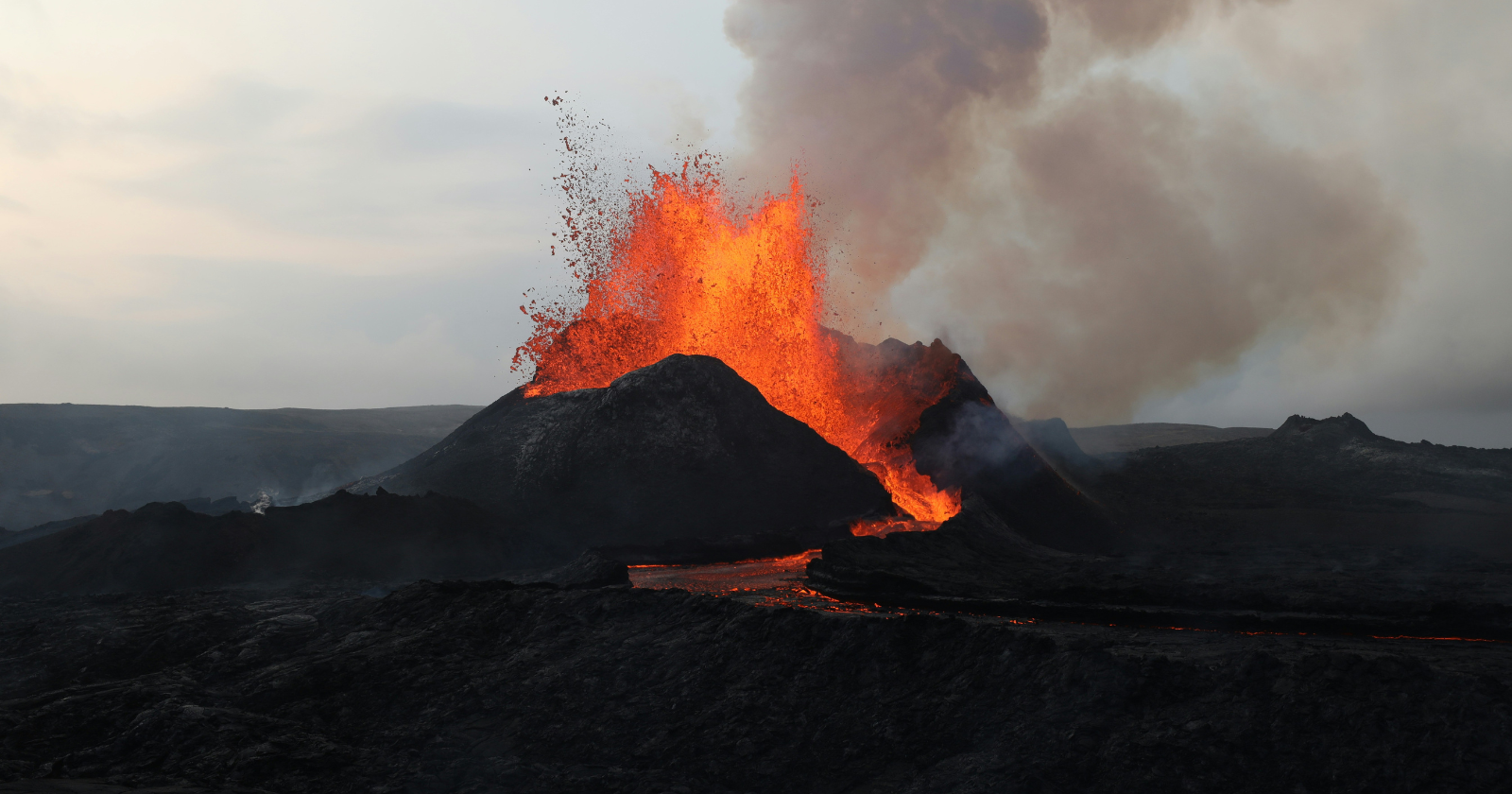
On a seemingly routine morning of April 10, 1815, the Indonesian island of Sumbawa encountered a disastrous transformation that would resonate globally. Mount Tambora, a once calm mountain, erupted with ferocity, marking one of the most significant volcanic occurrences documented in human history. This eruption was a striking event in its own right; however, its consequences would traverse continents and modify the global climate for years to follow.
**1. The Eruption Released**
The eruption of Mount Tambora was rated a 7 on the Volcanic Explosivity Index, a rarity of scale comparable only to eruptions from millennia ago. The magnitude of this eruption propelled roughly 31 cubic miles of ash and rock into the atmosphere. With pyroclastic flows rushing at astounding speeds down Tambora’s slopes, over 11,000 lives were lost almost instantly, as local populations were decimated.
**2. Atmospheric Dispersion**
While the immediate devastation was evident and tragic, Tambora’s influence spread far beyond Sumbawa. A key factor was the eruption’s capacity to launch ash and sulfur dioxide into the stratosphere. This layer, positioned above the ordinary weather-related activities of the troposphere, enabled the global spread of volcanic materials. Consequently, the aftermath of Tambora was not just a regional calamity but carried worldwide ramifications for climate and agriculture.
**3. Sunlight Reduced**
Once in the stratosphere, the volcanic ash and sulfate aerosols reflected sunlight away from the Earth. This phenomenon effectively induced a solar dimming effect, resulting in significant cooling. Areas surrounding the eruption plunged into complete darkness for days, while globally, the Northern Hemisphere’s average temperature decreased by about one degree Fahrenheit. Such a shift bore considerable impacts, especially in temperate regions reliant on stable agricultural cycles.
**4. Agricultural Ruin**
As 1816 progressed, its infamous label as “The Year Without a Summer” became evident. In North America, unexpected frosts in June devastated crops throughout the northeastern United States and Canada. At the same time, Europe faced unusually cold and moist conditions leading to failed harvests. Grain prices surged in reaction to scarcity, causing economic tensions and food shortages thousands of miles from Tambora.
**5. Enigma and Misadventure**
At the time, societies were ill-prepared to connect these climatic irregularities to the eruption of an Indonesian volcano. Lacking the scientific advancements needed to make such associations, populations endured hardship and hunger without grasping the cause. Over time, comprehensive studies involving ice cores, dendrochronology, and historical records ultimately linked the global tribulations of 1816 to Tambora’s eruption.
**6. Historical Acknowledgment**
Years later, historians and scientists finally consolidated these occurrences under the label of “The Year Without a Summer.” Retrospective assessment provided a clear comprehension of how a singular geographical event in one area of the world could exert such extensive influence across the globe, fundamentally altering weather patterns, agriculture, and human histories.
**Contemporary Consideration**
The saga of Tambora transcends mere geological narrative; it represents a discourse on the unpredictable nature of Earth’s systems and the limited control humans wield. While we can plan our personal and societal pursuits, events like Tambora highlight the necessity for adaptability and resilience. It serves as a poignant reminder that although thorough planning is vital, the capacity to adjust in response to unforeseen challenges often dictates our ability to endure and flourish. The adaptability demonstrated by those who overcame the 1816 crisis underscores a type of discipline essential for navigating a constantly evolving world.