**The Ancient Colossus: Palaeolake Mega-Chad and Its Inheritance**
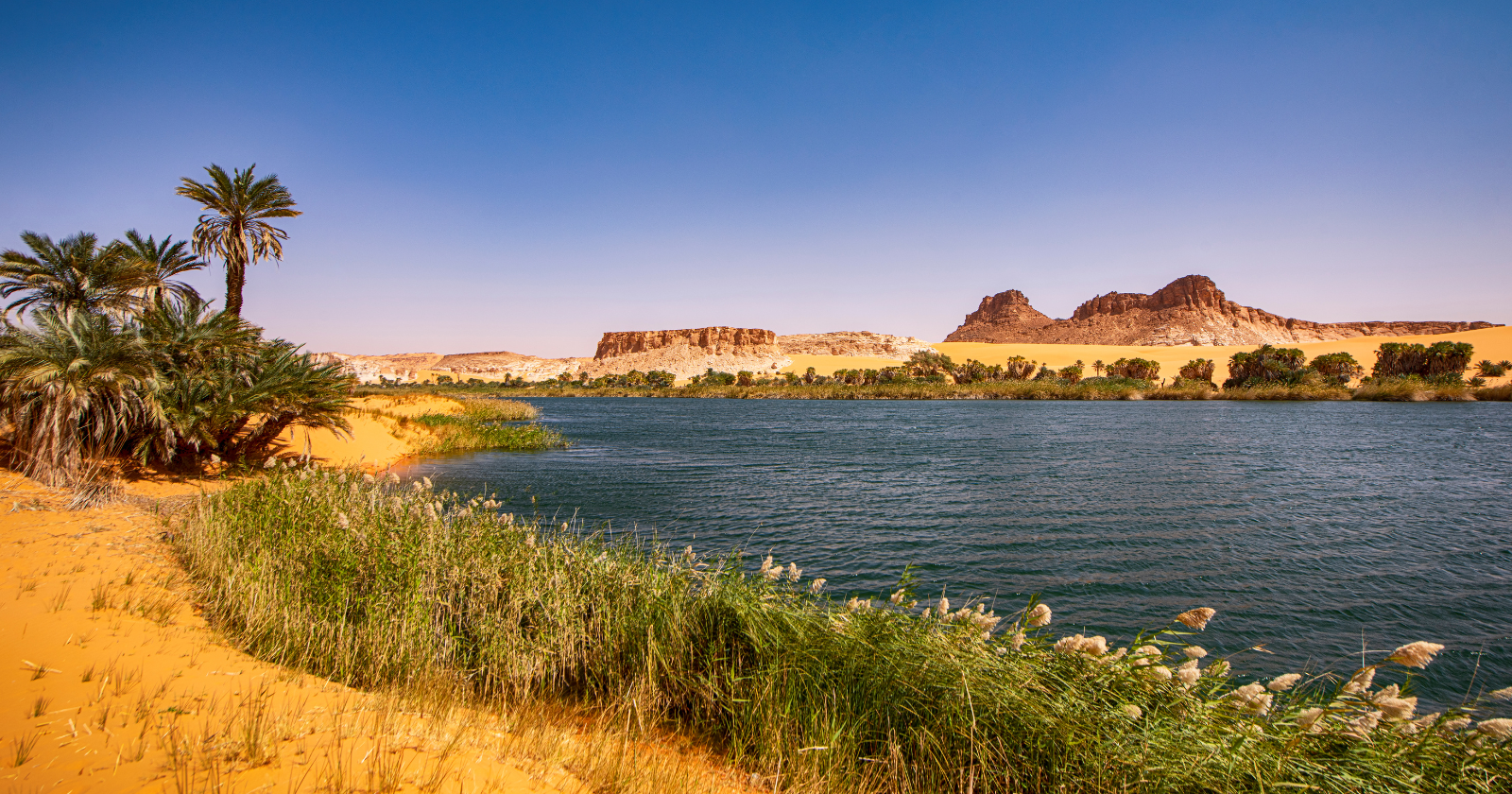
Situated in a region that is currently one of the most arid on the planet, Lake Chad is a remnant from ancient times, previously known as Palaeolake Mega-Chad, which once spanned an expanse of roughly 360,000 to over 400,000 square kilometers – exceeding the combined area of all North America’s Great Lakes. This colossal ancient water body occupied the southern Sahara, reshaping the terrain with its extensive waters.
**Reconstructing Historical Contexts**
Establishing the existence of such a vast lake requires mapping its faded shorelines throughout the basin and examining ancient sediment layers. A revealing study from 2015 employed optically stimulated luminescence to date these remnants, creating a detailed history of lake levels that goes back 15,000 years. The results reveal notable fluctuations in the lake’s size during various epochs, indicating a peak that lasted for several millennia.
**The Filling and Emptying of Mega-Chad**
Mega-Chad flourished during the African Humid Period, occurring between 11,000 to 5,000 years ago, when North Africa experienced a considerably greener and wetter climate. A cyclical alteration in Earth’s orbit increased summer sunlight in the northern tropics, which boosted monsoonal precipitation and replenished the lake. Nonetheless, as this orbital alignment shifted, so did rainfall patterns, resulting in the lake’s desiccation around 5,000 years ago. The deterioration of the northern region, the Bodélé Depression, into the world’s largest source of dust, happened about 1,000 years ago.
**Relevance of Historical Declines Today**
Contemporary Lake Chad has experienced drastic reduction, shrinking from approximately 26,000 square kilometers in the 1960s to less than 1,500 square kilometers in recent years. Various factors contributing to this decrease include drought conditions, diminished rainfall, and escalating water demands, chiefly for agricultural purposes. Reports from the United Nations illuminate considerable human vulnerabilities—around 40 million individuals rely on the basin, with 80-90% depending on its resources for farming, herding, and fishing. Water scarcity poses a threat to these livelihoods, igniting issues such as hunger, displacement, and conflict.
**Grasping Contemporary Consequences**
Although historical climate changes cannot be directly correlated with the swift environmental shifts observed today, they highlight the enduring variability in the region. The urgent concern lies in the current balance between rainfall variability and human water demand. For the communities surrounding Lake Chad, the difference between gradual climatic changes and immediate, anthropogenic pressures is not just theoretical, but a critical issue of survival and well-being.