**Australia’s Distinct Position Amid Potential Nuclear Winter**
In the bleak scenario of a comprehensive nuclear conflict, describing any nation as “safe” pushes the term to its limits. Safety usually implies that vital systems like food supply, clean water, healthcare, and energy remain operational, which may not be the case in a post-nuclear conflict world. In such circumstances, multiple systems could collapse concurrently, impacting even areas that remain untouched.
Australia has a slight edge over other countries due to specific factors, rather than an overarching claim of safety. This assessment derives from various signs that favor Australia: less intense agricultural cooling expected in much of the Southern Hemisphere, a significant surplus in food exports, robust public health facilities, strong energy and infrastructure, and defense spending that exceeds that of other food-resilient islands.
**Beyond the Immediate Ruin**
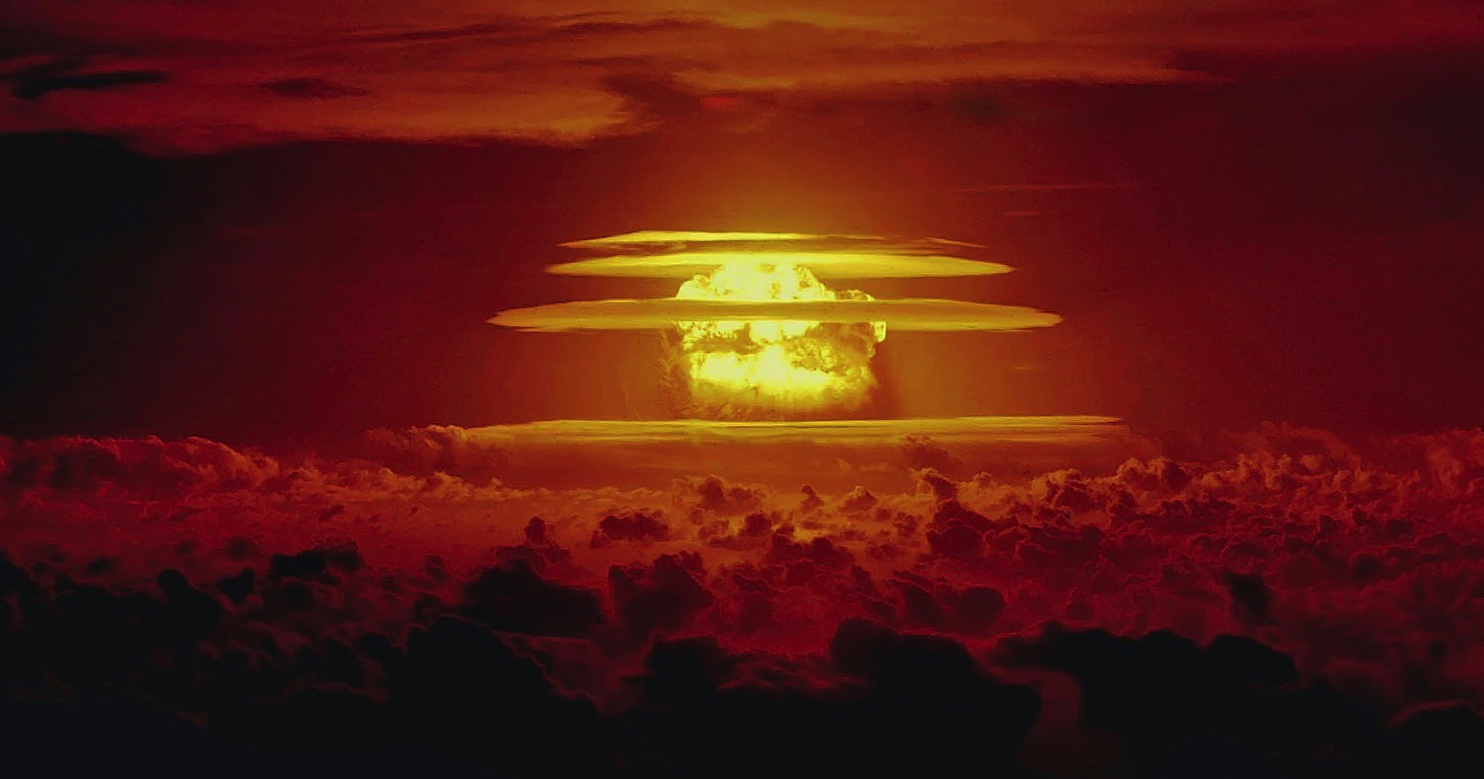
The destruction from a nuclear explosion is instant, defined by blast, heat, and radiation. However, a large-scale war adds a new layer: nuclear winter. Fires from targeted urban areas can release black carbon into the atmosphere, blocking sunlight and causing extended global cooling. Regions far from the explosion zones may face food shortages resulting from this climatic change.
A crucial study in *Nature Food* evaluated different soot levels entering the atmosphere, correlating them with climate and agricultural models. The most extreme scenario indicated a significant drop in global crop calories, underscoring the threat even to areas not directly hit by nuclear weapons.
**Benefits and Challenges in the Southern Hemisphere**
The *Nature Food* model indicated that the Southern Hemisphere, inclusive of Australia, might experience smaller agricultural losses compared to northern territories. This hemispheric positioning, with vast oceans and gradual temperature changes, provides some buffer but not immunity. The worldwide dispersion of smoke means no area can avoid repercussions, resulting in food shortages almost universally with considerable soot release.
While Australia enjoys this locational benefit, “favored” translates to reduced damage, not complete safety. Even oceanic resources in the Southern Hemisphere could be impacted due to shifted oceanic conditions following a nuclear conflict.
**Australia’s Relative Robustness**
In a 2023 study released in *Risk Analysis*, researchers assessed island nations for their capacity to produce food under severe sunlight-reduction conditions. Australia ranked highly alongside New Zealand and Iceland due to its food production potential, energy resources, infrastructure, and defense metrics.
Although Australia maintains a historical food surplus, especially in wheat, beef, and other exports, this does not assure a balanced diet during crises. Rationing, logistics, and political stability become crucial in reallocating these exports for local consumption.
**Infrastructure and Public Health**
Australia’s healthcare system provides an additional layer of resilience, as it achieved a second-place ranking globally in the 2021 Global Health Security Index. However, this index does not account for the capacity to maintain medical services amidst severe disruptions in infrastructure and imports—a realistic anxiety in a nuclear aftermath.
**Military Preparedness and Possible Threats**
Australia’s considerable military spending, noted in the study, demonstrates a stronger defense ability compared to other island nations. Nevertheless, this may also render Australia a target because of its alliances and strategic facilities, potentially counteracting some of its advantages.
**Systemic Vulnerabilities**
The intrinsic interconnectedness of contemporary systems implies that failures in one sector, such as agriculture or energy, could initiate cascading failures in others, resulting in a “creeping degradation” of society. This highlights the necessity of not depending solely on a single advantage but utilizing the synergy of food, health, infrastructure, and defense.
**A Convergence of Factors**
Australia’s strategic benefit hinges on its distinct position of not being on the brink. It profits from a convergence of geographical, agricultural, infrastructural, and institutional strengths. These elements permit Australia to start further from numerous failure thresholds post-nuclear conflict, presenting a glimmer of hope in an otherwise dismal global scenario.