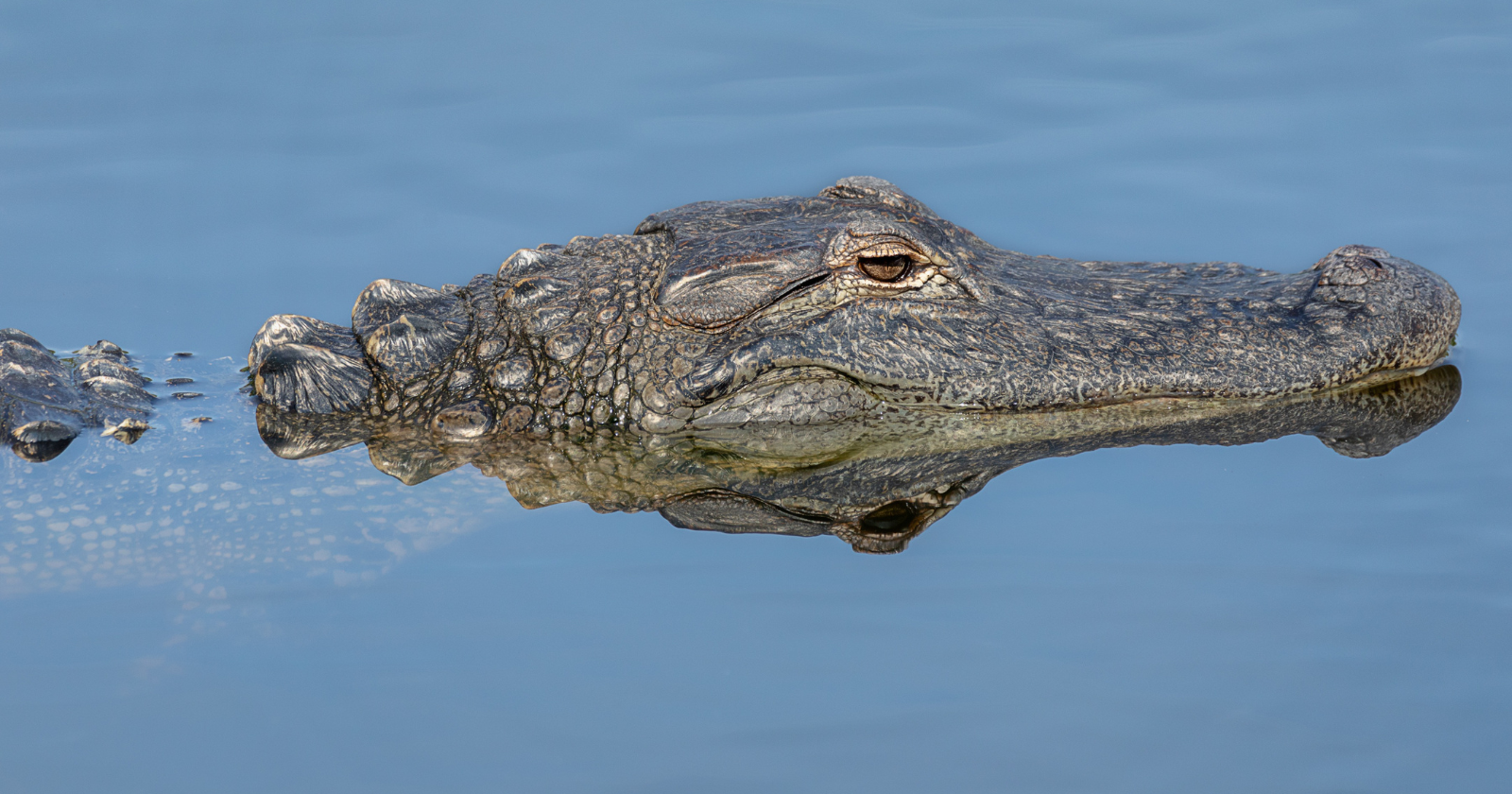
**The Alligator’s Remarkable Healing Qualities: Nature’s Medicine Cabinet**
An alligator can withstand the loss of a foot in water filled with bacteria, brush off territorial wounds, and continue almost unharmed—a reflection of its remarkable healing talents. In spite of suffering from torn limbs and exposed wounds in microbially-rich swamp water, infection is seldom seen. This fascinating tenacity drew the interest of biochemists who examined alligator blood to reveal its secrets.
**Alligator Blood Against Pathogens**
Mark Merchant, a biochemist at McNeese State University, performed crucial research on alligator serum. His results, published in 2003, indicated that alligator serum inhibits the growth of various bacterial strains more effectively than human serum. Notably, E. coli performed much worse in gator serum. Following studies discovered that alligator serum also obstructs viruses like HIV-1, West Nile, and herpes simplex type 1.
The active elements were small, heat-stable peptides, akin to those used by frogs and Komodo dragons as natural defense mechanisms. Unlike human antibodies that need training, crocodilian defenses activate immediately upon contact with microorganisms.
**Revealing the Lethal Molecules**
Identifying active components in alligator blood is difficult, but advancements have been made. In 2008, Lancia Darville reported the finding of individual peptides. By 2016, Monique van Hoek’s team at George Mason University characterized peptides named Apo5, Apo6, and A1P, derived from alligator apolipoprotein C-1. These peptides demonstrated similar effectiveness to human antimicrobial peptides, presenting promising avenues for medicinal development.
**Importance Against Drug-Resistant Bacteria**
Research focused on bacteria such as Acinetobacter baumannii, recognized for its drug resistance and critical position in WHO’s Pathogens List. The encouraging potential of alligator-derived peptides against such formidable microbes highlights their significance. Concurrent studies investigate other reptiles like the saltwater crocodile, further broadening the possibilities for antimicrobial applications.
**Connecting the Lab to Pharmacy**
Merchant recognizes limitations, stressing that his findings currently provide no direct remedies for human diseases like HIV. Nonetheless, peptides offer a pathway for further investigation. Despite obstacles, including toxicity at high levels and inconsistent efficacy in living organisms, the quest for gator-derived therapeutics remains crucial.
In conclusion, two decades of research have resulted in the discovery of potent alligator peptides, offering hope in combating resistant pathogens. The shift from intriguing peptides to successful treatments continues, driven by the alligator’s extraordinary biology. This research taps into nature’s creativity, ready to inspire innovative antimicrobial solutions for contemporary challenges.