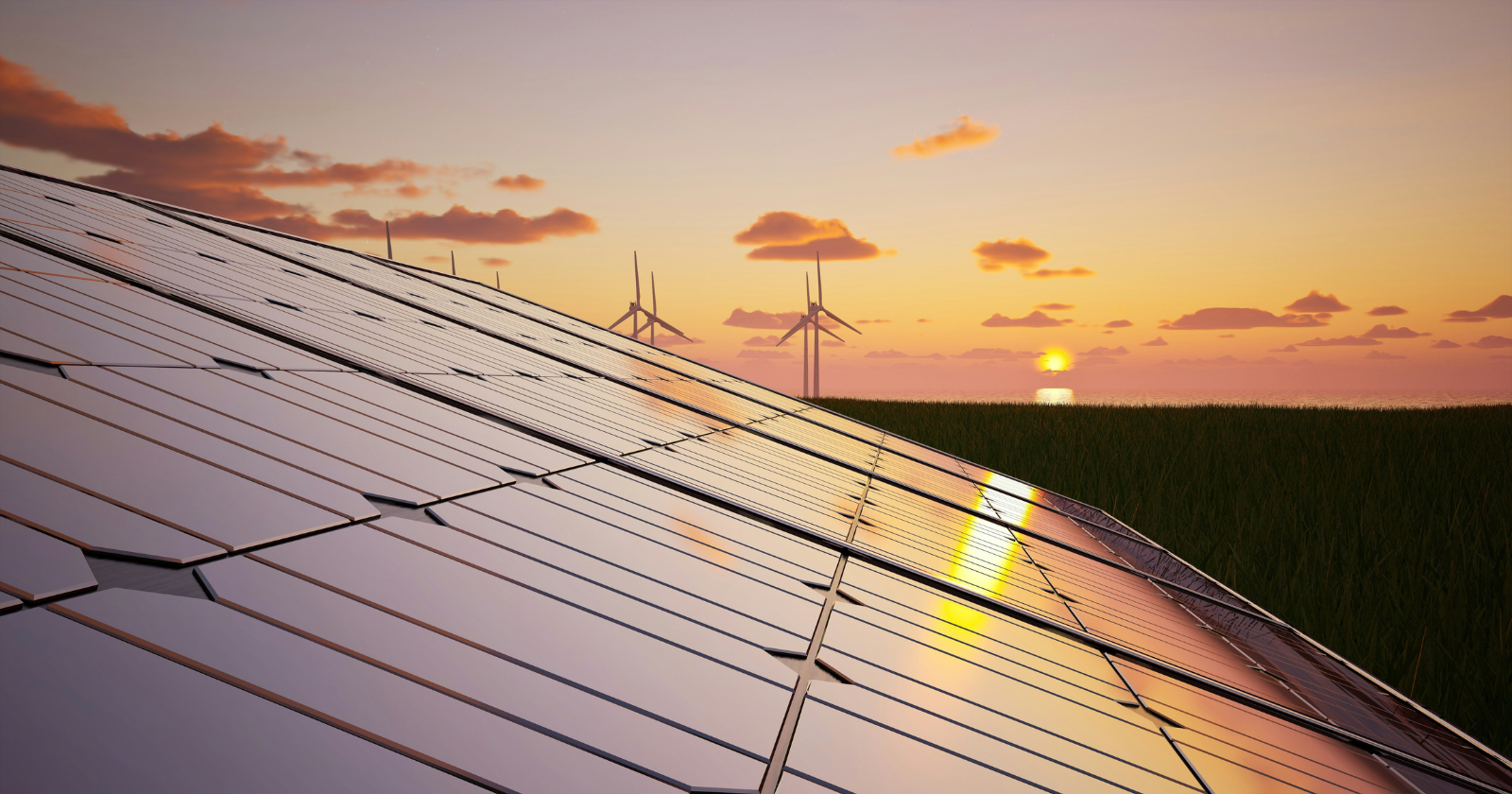
Here’s the conundrum that many solar planning efforts eventually encounter. A significant quantity of solar energy requires a considerable amount of land, typically ranging from four to five acres for every megawatt of ground-mounted solar panels. In a nation that has a large population to feed and a finite amount of cultivable land for that purpose, this calculation swiftly turns into a genuine conflict: each acre allocated for solar panels is one less acre available for food production, and every acre reserved for food is an acre that cannot generate electricity.
So, where can one place a solar installation that is not already designated for agricultural use, and is not merely vacant desert?
Gujarat’s solution, initially tested on the Sanand Branch Canal near the village of Chandrasan in the Mehsana district on April 24, 2012, was to stop viewing land as the sole available surface. A canal is considered infrastructure, not agricultural land. It is already claimed, and fenced off from crops, stretching for hundreds of kilometers in a state interwoven with the irrigation network designed to transport water from the Sardar Sarovar dam.
Someone had to realize that a canal’s surface could accommodate a solar array similarly to how a roof does, and that a 1-megawatt pilot project could investigate the concept without the need to first validate a larger, riskier investment.
## What the panels truly addressed, apart from electricity
The clear benefit is energy generation on land that did not need to be sacrificed. The less apparent advantage emerged in the water itself. A canal traversing Gujarat’s sweltering heat experiences substantial water loss due to evaporation before it reaches a farmer’s field, and providing shade to even a fraction of that surface reduces the evaporation rate.
A study headed by researcher Sagarkumar Agravat at the [Gujarat Energy Research and Management Institute](https://india.mongabay.com/2023/07/solar-canals-prove-to-be-good-for-the-environment-but-not-for-business/) revealed that installations atop canals conserve about 90 lakh litres of water per megawatt annually from evaporation, translating to over 9 million litres each year for a project the scale of the original Chandrasan pilot. The same study identified an additional, unexpected advantage: panels positioned over flowing water operated approximately 10 degrees Celsius cooler than comparable panels on dry land, boosting their solar efficiency by around 2.5 percent. Water that was already merely doing its job of irrigating crops turned out to be a decent cooler for a solar panel as well.
## Verified by India’s own planning authority
The pilot’s fundamental assertion, as the first canal-top solar installation of its kind in the nation, has stood strong enough that [NITI Aayog](https://frontiertech.niti.gov.in/story/smart-solar-infrastructure-from-urban-canal-to-clean-power-source/), the policy think tank of the Indian government, cites the Narmada branch canal system project as the model that other Indian states have since emulated, from New Town near Kolkata to canal networks well outside Gujarat. Rangan Banerjee, the director of the Centre for Technology Alternatives for Rural Areas at IIT Bombay, articulates the appeal in straightforward planning language: “Decentralized solar solutions, particularly those integrated with established infrastructure, can meet local energy demands while minimizing environmental impact.” India’s canal network stretches over 120,000 kilometers nationwide, presenting a substantial amount of unutilized rooftop space visible if a state genuinely wishes to take advantage of it.
## What followed the 1-megawatt pilot project
Gujarat did not halt at just the pilot. A subsequent, significantly larger installation spread panels across 3.5 kilometers of canal between the Sama and Chhani regions of Baroda, a 10-megawatt project that, according to SS Rathore, chairman and managing director of Sardar Sarovar Narmada Nigam Ltd, produces [16.2 million units of power each year](https://www.tribuneindia.com/news/archive/features/a-first-solar-plant-on-canal-to-generate-power-34021) while conserving approximately 20 acres of land that a comparable ground-mounted array would have required. Amplifying this rationale to the over 2,000 megawatts Gujarat has proposed in planning documents suggests that the land preserved amounts to tens of thousands of acres, none of it taken from any functional farm.
## Why more of these installations aren’t prevalent yet
Despite this, canal-top solar isn’t the clear-cut choice for every new project, and it is important to candidly address why growth has decelerated since the original pilot. Installing a panel array over a moving canal incurs substantial costs that positioning in a flat field does not incur. Kaushik Patel, from the same Gujarat Energy Research and Management Institute that conducted the water-savings study, quantified it: “Of the total capital cost of a CETP, 40% is that