Sebastião Salgado’s Quest to Revive a Degraded Landscape
When the distinguished Brazilian photographer Sebastião Salgado received his family’s cattle ranch located near Aimorés in Brazil’s Rio Doce Valley, he was confronted with a grim sight. The land was nearly desolate, having suffered from decades of overgrazing that depleted its soil and stripped its hills of vegetation. For Salgado, who had dedicated years to documenting famine and conflict, the exhausted terrain mirrored his own fatigue. Reflecting on the bleak condition of the ranch, he commented, “The land was as sick as I was – everything was destroyed. Only about 0.5% of the land was covered in trees.”
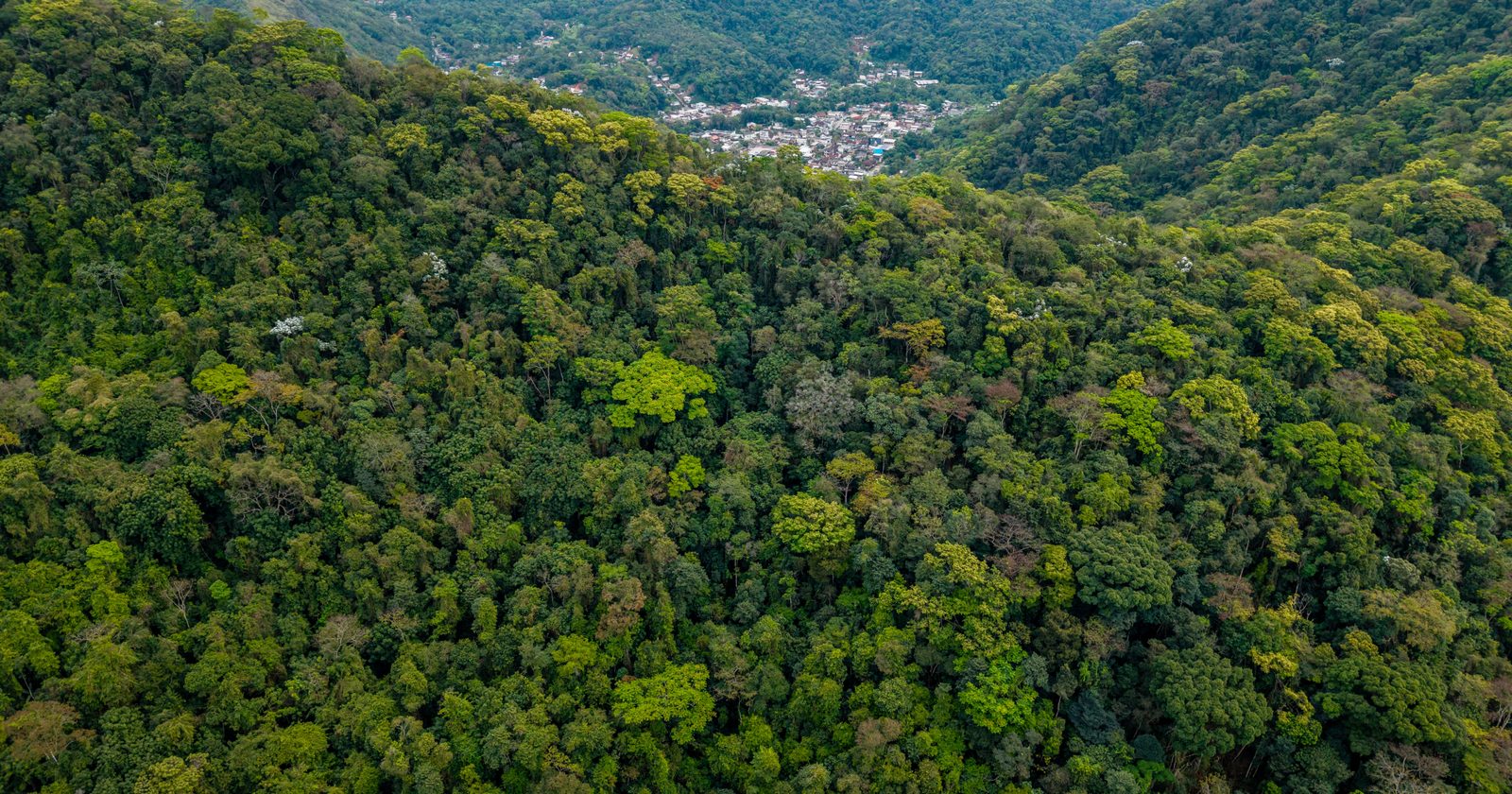
This small fraction of half a percent is where a narrative of transformation commenced. Presently, that very ground supports a flourishing forest abundant with birdlife.
The Pivotal Decision in 1998
In 1998, Salgado and his spouse, designer Lélia Deluiz Wanick Salgado, founded Instituto Terra, a non-profit entity committed to restoring the Atlantic Forest on the rundown ranch, known as Fazenda Bulcão. The area was designated a Private Natural Heritage Reserve, a designation seldom granted to land in such a damaged state, covering 608 hectares.
The importance of revitalizing the Atlantic Forest on their property transcended personal concern. It was one of the most deforested areas in the Americas, with the Rio Doce Valley having lost much of its forest due to agricultural expansion. Reviving even a small segment was an endeavor to restore something nearly obliterated in the local ecosystem.
The Reforestation Initiative
Reforestation efforts initiated in December 1999, employing techniques that were more complex than simply sowing seeds. Instituto Terra utilized seedlings indigenous to the Atlantic Forest, allowing the terrain to regenerate naturally where feasible, supplemented by additional plants as required. By 2006, a fauna survey documented 172 bird species inhabiting the revitalized forest. By early 2019, over 2.5 million seedlings of nearly 300 native species had been introduced to the reserve.
Salgado underscored the importance of utilizing indigenous trees, not from a sentimental viewpoint, but for ecological purposes. “You need forest with native trees,” he articulated, “and you need to gather the seeds in the same region you plant them or the serpents and the termites won’t come.” Planting incorrect species could fail to attract the fauna essential for a functional ecosystem. With native vegetation established, the entire food chain had an opportunity to reestablish itself.
Salgado compared nurturing seedlings to parenting: “Like to raise a baby, you need to teach it to walk, to speak, and then they can go to school on their own. Trees are the same. You need to hold them close for a while.” The restoration also revitalized the hydrological cycle, renewing over 2,000 nearby springs, enabling the land to effectively retain rainwater.
The Wider Implications
Initially, no one in 1999 could have anticipated the return of 172 bird species. This accomplishment wasn’t merely a romantic narrative of a couple planting a forest and witnessing the animals’ return—it necessitated meticulous documentation and identification efforts by on-ground teams.
Salgado viewed the project as evidence of broader environmental restoration potential. “We can rebuild the planet that we destroyed, and we must,” he asserted. While this sentiment conveys his hopeful vision, and while a single restored ranch cannot offset extensive deforestation, it remains a tangible success where many restoration pledges continue to be mere aspirations.
Sebastião Salgado passed away on May 23, 2025, in Paris at the age of 81. Lélia Deluiz and the team at Instituto Terra persist in the mission. Upon announcing his death, Instituto Terra characterized him as “much more than one of the greatest photographers of our time,” highlighting that “his life” exemplified “the power of transformative action.”