In the karst formations of Comal County, Texas, an exceptional palaeontological find commenced when caver John Young encountered a streambed filled with bones in an underground cave. Captivated by the visuals of these bones, palaeontologist John Moretti from the University of Texas at Austin opted to delve deeper. Their investigation of Bender’s Cave represented the inaugural palaeontological examination of a Texas water cave, with innovative discoveries documented in Quaternary Research.
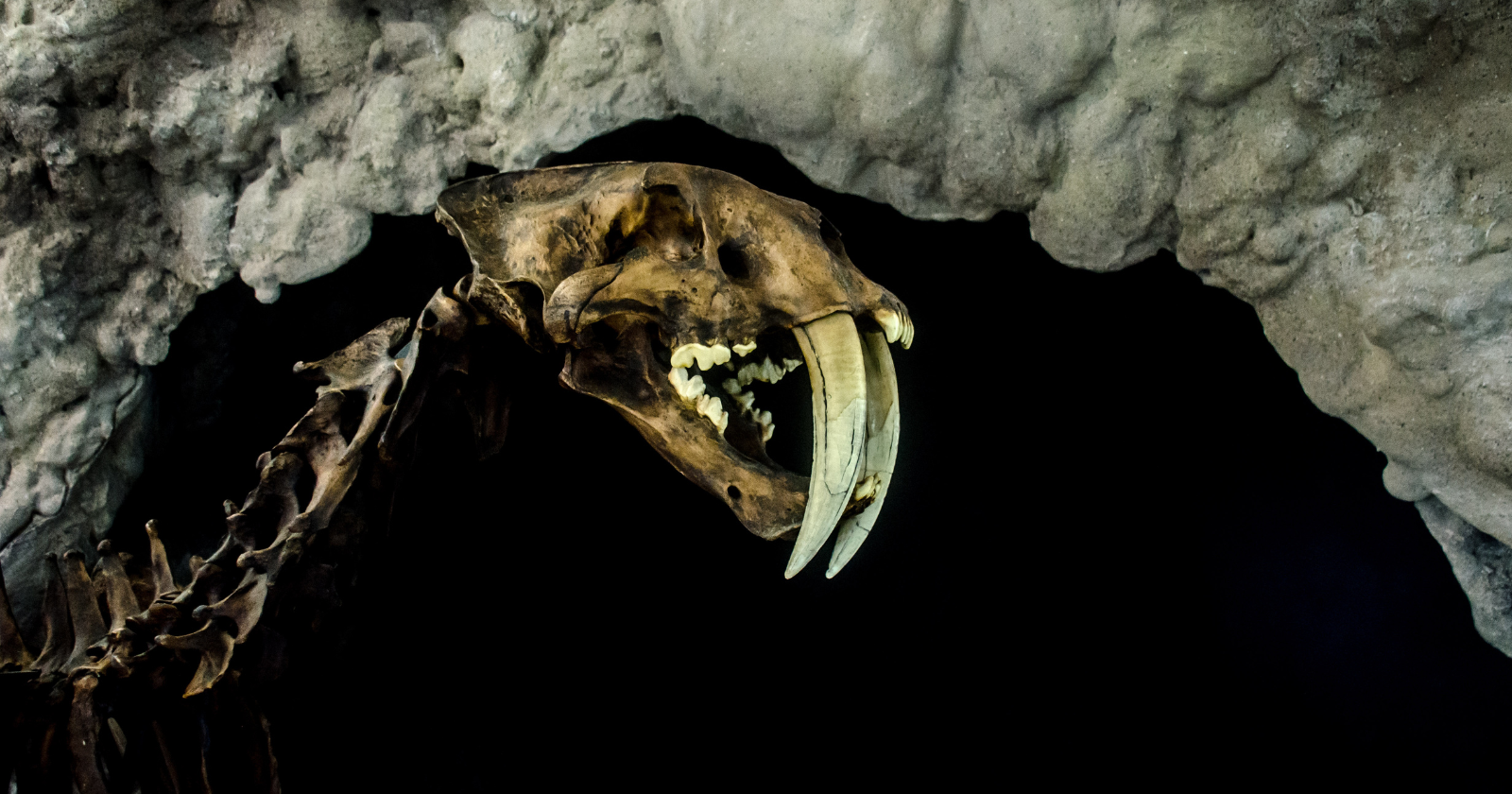
Bender’s Cave, located on private property, can be accessed by rappelling down a slender shaft and crawling through a low passageway until arriving at an underground stream. Over more than six visits from March 2023 to November 2024, Young and Moretti carefully documented fossils across 21 areas, wearing wetsuits and dive masks to manually collect the specimens. This approach yielded well-known finds such as mammoth teeth, bison and horse remains, a camel bone, and rare artifacts like Jefferson’s ground sloth and a molar fragment from a mastodon. Especially striking were fossils from Homotherium serum, the scimitar-toothed cat.
Significantly, the team discovered unexpected species—Hesperotestudo, a large tortoise, and Holmesina septentrionalis, a pampathere—previously unrecorded on the Edwards Plateau. These discoveries challenged established narratives, implying a warm, possibly interglacial environment. However, this theory is complicated by an unclear radiocarbon dating attempt impacted by contamination issues, highlighting the need for other dating methodologies.
Moretti and his team intend to use uranium-series dating and additional techniques to more precisely determine the fossils’ age. This effort may unveil a previously unseen interglacial landscape in Central Texas, potentially altering perceptions of the area’s palaeoecology. As other water caves in the vicinity largely remain unexamined by palaeontologists, Bender’s Cave signifies new prospects for discovery, with each layer of sediment likely to reveal secrets from over 130,000 years ago.