**Solar Energy Surge in Pakistan: Analyzing the Factors Behind the 37-Fold Surge**
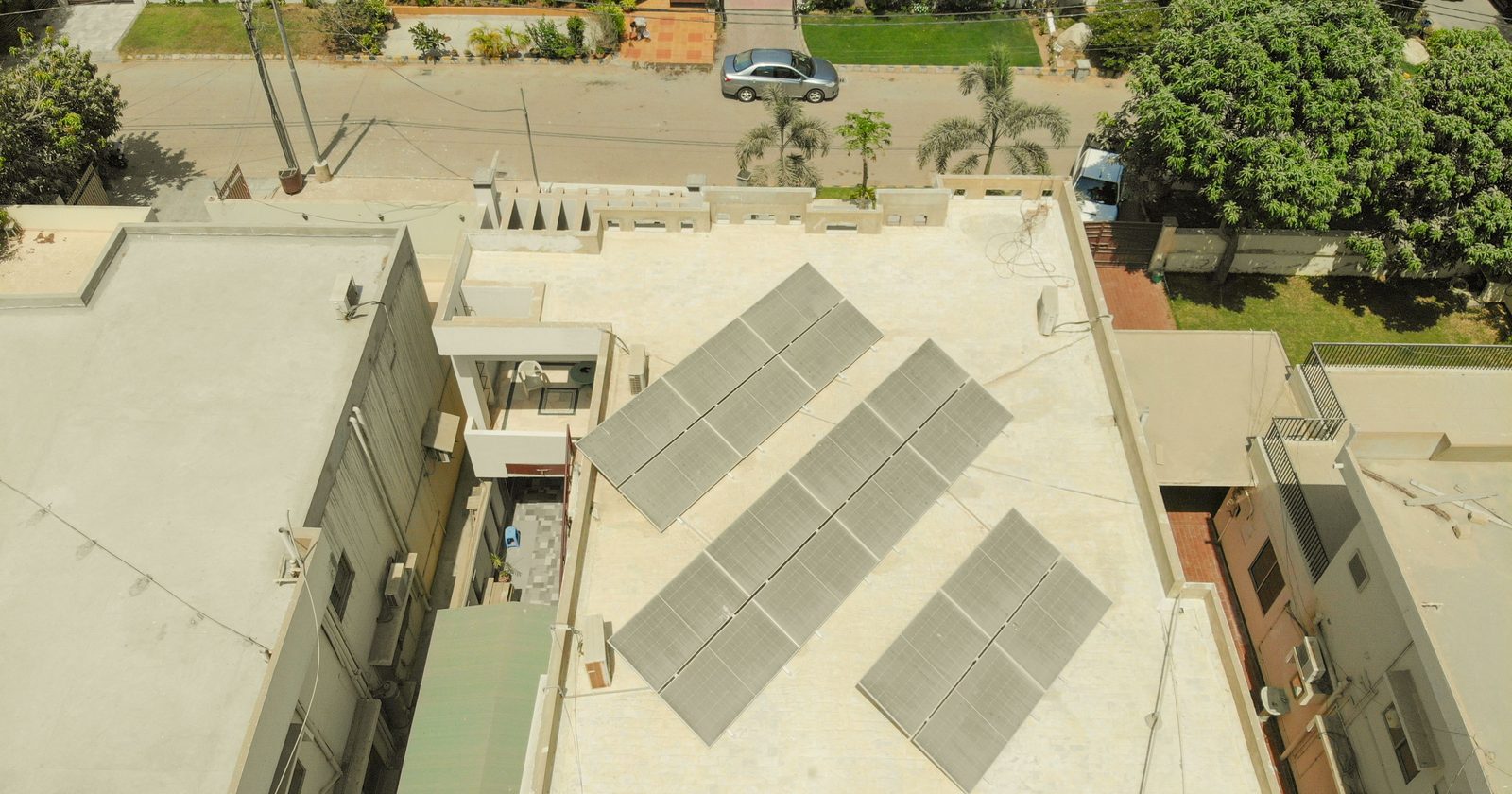
In Pakistan, solar energy has seen a remarkable ascent under the nation’s net-metering regulations, jumping from 190 megawatts in 2020 to roughly 6,978 megawatts by June 2026. This incredible growth presents an enticing scenario, but it is essential to delve into the fundamental elements that sparked this expansion.
**Policy versus Economic Influences**
While popular narratives may link this growth to governmental policies, a more in-depth analysis identifies economic influences as the major driving force. In 2015, Pakistan rolled out national net-metering regulations designed to encourage solar uptake. Initially, the electricity that households exported was balanced against grid consumption at the consumer’s per-unit rate, with any surplus carried over or compensated at off-peak prices.
Nonetheless, Syed Faizan Ali, Energy Adviser to Pakistan’s Power Division, clarified that the economic climate was the main motivator, rather than subsidies. Between 2021 and 2025, the national currency fell in value by around 75%, while electricity prices soared by nearly 140%. At the same time, the cost of imported solar panels plummeted by about 60%, making solar setups financially feasible without further incentives.
Professor Jan Rosenow, a specialist in energy programs at the University of Oxford, supported this viewpoint, emphasizing that this shift was spurred by market dynamics instead of subsidy initiatives or national programs.
**More than Just Statistics**
It’s crucial to understand that the reported figures reflect net-metered distributed solar capacity and do not account for all solar installations in Pakistan, including behind-the-meter and off-grid capacities, which further bolster the argument for this solar transformation.
However, this swift growth prompts concerns regarding equity and sustainability of infrastructure. As affluent households adopt solar panels and lessen their dependence on grid power, fixed grid expenses are redistributed to the remaining customers, often placing a burden on those unable to afford alternative power solutions. This retreat from the grid exerts pressure on an already struggling network; Pakistani distribution companies contend with substantial transmission losses and underused fossil-fuel plants.
In 2026, NEPRA rolled out net billing for new customers, revising the compensation model to better align with grid sustainability, yet the fundamental challenges persist.
**Insights for International Grids**
Pakistan’s solar achievement conveys a broader message—not confined to solar energy alone. It underscores the repercussions that arise when remaining within a shared, increasingly expensive system becomes less appealing than opting out. Households that can afford to disconnect from unreliable grids tend to do so, leaving others to bear the economic and infrastructural burdens.
Therefore, this situation stresses the importance for other countries to weigh the balance between fostering renewable energy expansion and sustaining fair and resilient grid systems. The economic feasibility of detaching from a grid should never eclipse the critical need for inclusive energy reforms that consider all consumers.