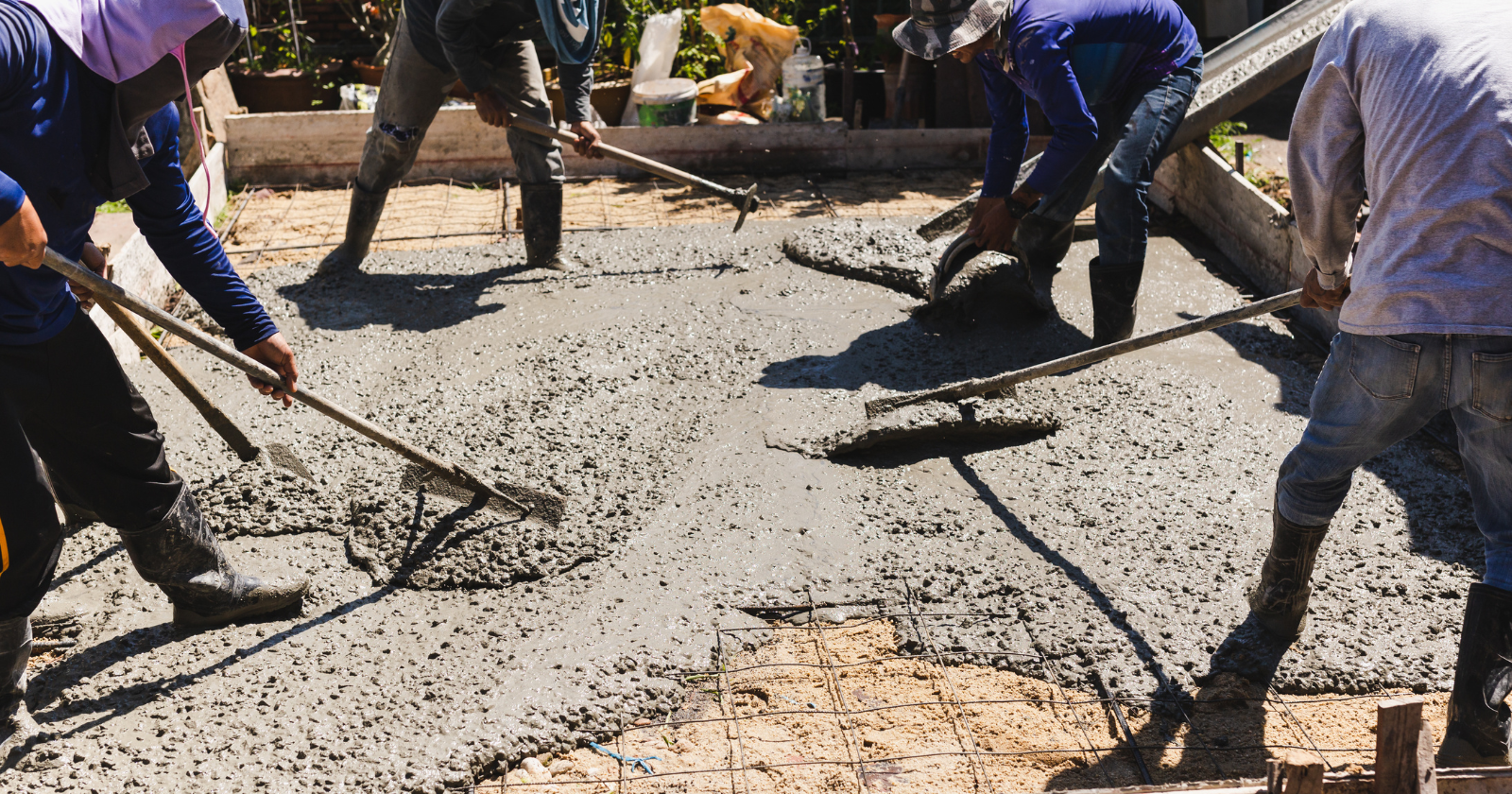
A group of engineers from Japan and Indonesia has developed a compact prototype dwelling using shredded, sanitized disposable diapers to substitute part of the sand in its concrete and mortar. This single-story building acts as an experiment to assess whether diaper waste can be securely incorporated into construction materials, diverting approximately 1.73 cubic meters of processed diaper fibers into the build. The team, headed by Siswanti Zuraida from The University of Kitakyushu, along with Bart Dewancker and Romi Bramantyo Margono, regard this as an initial proof of concept rather than an immediate solution for housing. Their research, published in May 2023 in Scientific Reports, includes details on laboratory tests of diaper-infused concrete and mortar and the creation of a 36-square-meter demonstration house in Indonesia designed for a family of four.
This concept tackles the waste challenge presented by the vast number of single-use diapers discarded each year in Indonesia. These diapers, composed of various non-biodegradable materials, mainly end up in landfills. The researchers investigated whether processed diaper materials could replace sand in concrete and mortar. By washing, drying, and shredding the diapers, they incorporated the resulting material into concrete samples with different ratios. After curing, the compressive strength of the samples was tested against Indonesia’s SNI building standards.
Findings indicated that compressive strength diminished linearly with higher diaper content, necessitating a limit on diaper application in load-bearing components. The demonstration house utilized the maximum permissible substitution: 27% in structural elements and 40% in partition walls, averaging 8% diaper material overall. While tests concluded that the diaper-infused concrete satisfied compressive strength standards, it did not address issues such as microbial content and long-term durability, which remain topics for further investigation.
Using diaper-derived materials in this way has ignited discussions on logistical and environmental challenges, particularly concerning the large-scale separation and sanitization of waste. Indonesia’s building code currently does not sanction diaper material for construction, presenting regulatory obstacles for broader usage. The feasibility of scaling this method into a practical construction material depends on the advancement of these regulatory and logistical frameworks.
The prototype house, modestly proportioned for affordable urban housing in Indonesia, illustrates the potential for significant waste diversion. Nonetheless, practical application awaits further structural evaluation and expanded testing. This initial achievement indicates feasibility under certain conditions, while widespread use is reliant on addressing unresolved issues such as cost, safety, and regulatory compliance.