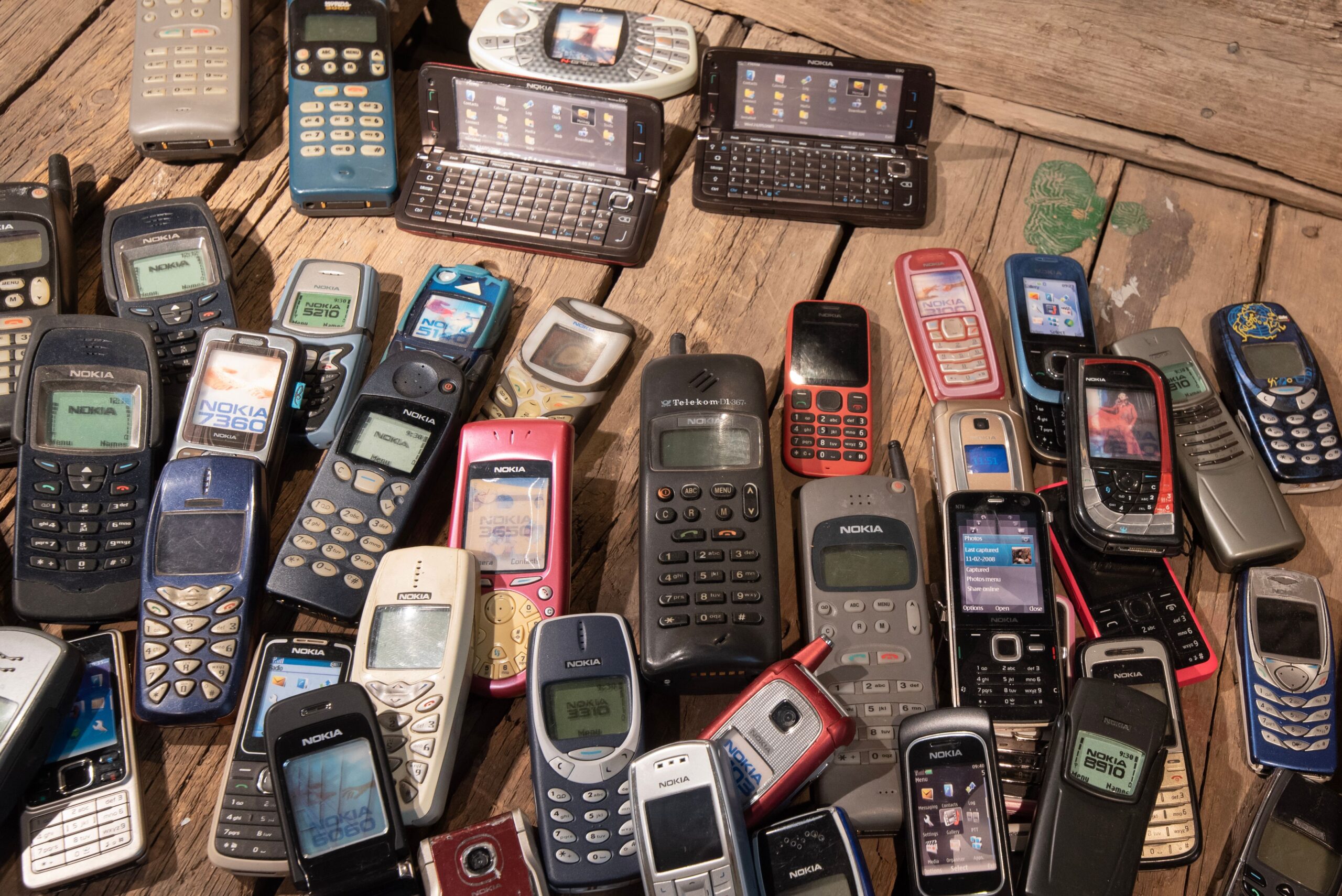
Japan’s Tokyo 2020 Medal Project, which ran from April 2017 to March 2019, gathered electronics to manufacture Olympic and Paralympic medals. NTT Docomo stores collected 6.21 million mobile phones, while local governments amassed 78,985 tonnes of small electronic devices. This enabled organizers to secure around 32 kilograms of gold, 3,500 kilograms of silver, and 2,200 kilograms of bronze-like alloy, sufficient for approximately 5,000 medals.
The initiative operated under Japan’s Small Home Appliance Recycling Act framework, engaging 1,621 local authorities and 38 firms. The devices went through stages of collection, sorting, disassembly, and refining, critical processes since most of the gathered materials were primarily non-metallic.
Supported by the Tokyo 2020 theme, the project highlighted the promise of urban mining, as small electronic parts possess precious metals that aid in resource recovery. Although it accounted for only a small portion of the total materials required for global e-waste recycling, the project’s substantial influence stemmed from activating a public recycling campaign and creating a sustainable national framework for the recovery of small devices. The After Medals Project seeks to extend this legacy by sustaining and enhancing collection systems beyond the Games.