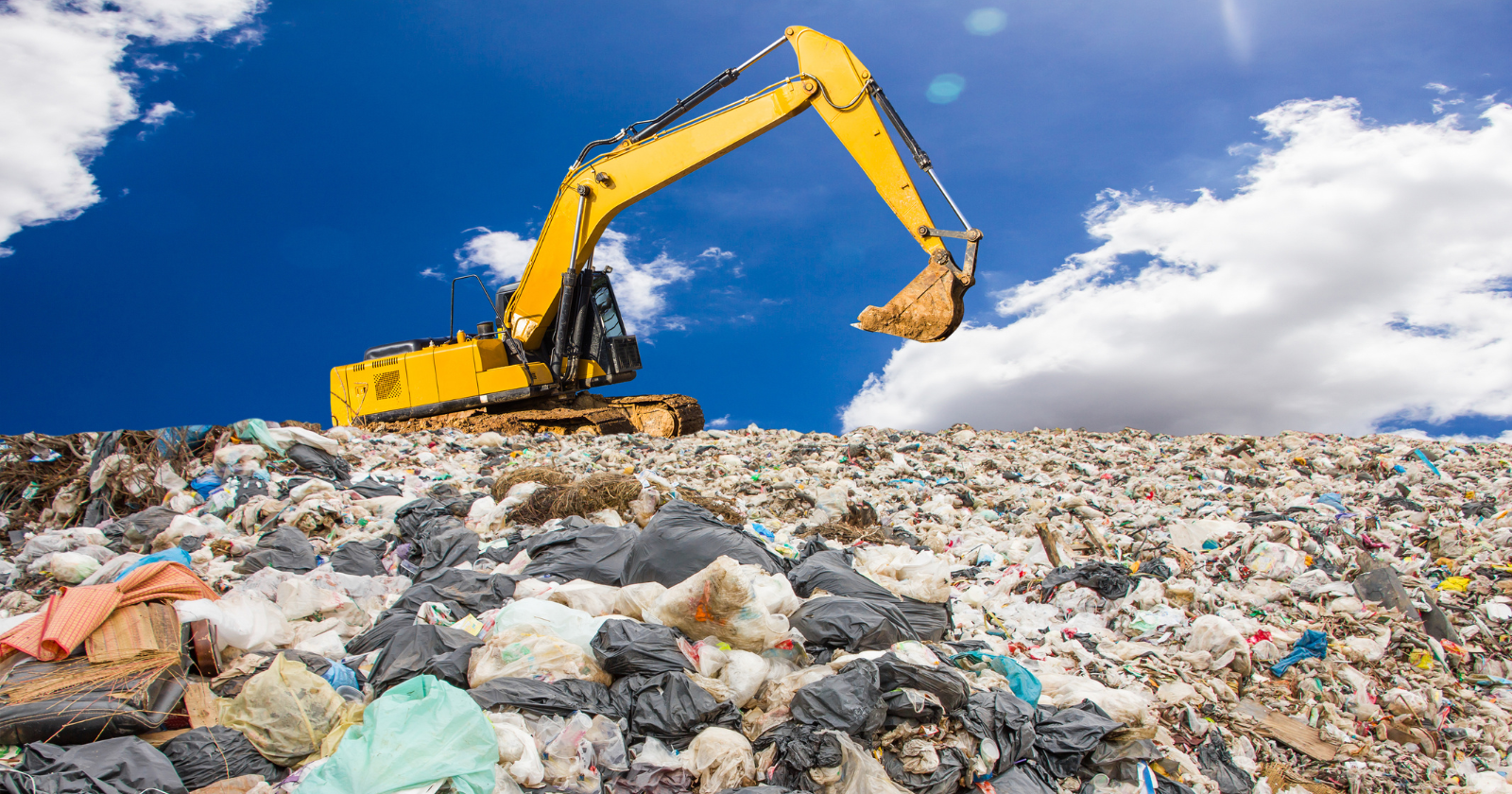
Some of Staten Island’s highest hills are constructed from residential waste, and there are four in total. That territory was a tidal creek and salt marsh until 1948, when the city initiated a landfill there as a short-term solution. By 1955, the site had become the largest landfill globally. New York City Parks indicates that the peak years were 1986 and 1987 when Fresh Kills received as much as 29,000 tons of refuse daily and employed 680 workers. Waste Today noted the final count at 53 years of operation and 150 million tons of solid waste once the last barge arrived on 22 March 2001.
Capping the mounds
Beneath the meadows lies a stratified sandwich of earth and plastic. Each mound features a designed cap: a graded soil foundation, a gas venting layer, an impermeable liner, a drainage layer, and at least two feet of protective soil topped with six inches of planting soil. Sandy loam, seeded. Roots are performing structural support up there, anchoring the cover against erosion.
Decomposing refuse also generates methane, and the majority of it is sold rather than incinerated. Freshkills Park’s engineering documents report approximately 3 million cubic feet of landfill gas collected daily as of 2018, refined down to about 1.5 million cubic feet of methane and sold to National Grid for cooking and heating on Staten Island. Production declines as the buried organic matter is exhausted. The sanitation department is preparing to deactivate the collection system once monitoring data assures state regulators that the system is no longer essential.
Half a year after the last barge
Fresh Kills reopened.
Governor George Pataki revised the closure directive to allow materials from the World Trade Center site to be deposited on the West Mound. The Department of Sanitation’s 9/11 exhibit documents around 1.4 million tons arriving by barge and truck, with some processed so finely it passed through a quarter-inch sieve, in a round-the-clock operation lasting ten months. What remained was placed into a 48-acre section on the hill, positioned on a foot of clean soil and covered with additional soil. Engineers subsequently redesigned the methane capture system to run along the perimeter, ensuring that ground disturbance would never occur again.
The birds arrived on their own
No one sowed the sedge wrens.
About half the site is now grassland, seeded with native warm-season species as part of the capping process. In August 2020, researchers from the College of Staten Island and NYC Parks discovered three pairs of sedge wrens nesting on the East Mound. New York State lists the species as threatened, and it had not bred anywhere in the five boroughs since 1960. Writing in Urban Naturalist, José Ramírez-Garofalo, Shannon Curley, and Caitlin Field recorded at least three fledglings, with birds still present in mid-October. This constitutes a singular record from a single season, rather than a broad conclusion about rehabilitated landfills. The wrens returned the following summer, and grasshopper sparrows, bobolinks, and eastern meadowlarks have also inhabited the mounds.
Ramírez-Garofalo, who oversees science and research development at the park, informed CNN that undisturbed temperate native grassland of this nature is rare throughout all of New York State.
Opened incrementally, from the outside in
Twenty-one acres opened in October 2023: paths, a wetland overlook, a bird-watching tower, and a solar-powered composting toilet. It was the first area within the old landfill footprint accessible to the public. Gothamist noted a complete build-out planned for 2036, by which time the 2,200 acres will be the second-largest park in the five boroughs and almost three times the size of Central Park. Freshkills Park refers to the strategy as constructing from the edges inward, focusing on the neighborhoods that had to coexist with the site.
Maintenance is the aspect that often gets overlooked in before-and-after images. The city’s own site history lists 238 groundwater monitoring wells installed around the mounds and sampled quarterly, with sanitation responsible for at least 30 years post-closure. Crews mow the grasslands annually in the autumn, coordinated with the parks department to ensure that the ground-nesting birds have fledged before sending the machines out. Two agencies, one mowing window, renegotiated every year. There is no set completion date for that agreement.