**Hong Kong’s Extraordinary Life Expectancy Rates: An Examination**
Hong Kong’s most recent provisional data for 2025 indicates that life expectancy at birth stands at 83.3 years for males and 88.7 years for females. These statistics continue a trend where the city consistently appears at the forefront in global longevity rankings. Since 2013, Hong Kong has held the title of the highest life expectancy worldwide, with a reduction in smoking-related fatalities being a key factor.
**Elements Contributing to Longevity**
– **Provisional Estimates and Their Importance**: The life expectancy numbers are derived from death rates across all age groups in a given year, offering an overview rather than an exact future forecast. Despite variability due to occurrences like the COVID-19 pandemic, Hong Kong’s estimates persist as some of the best globally.
– **Comparative Edge Over Time**: In research contrasting Hong Kong with other affluent countries, the city has recorded superior life expectancy since 2013. The decline in cardiovascular mortality has played a crucial role, contributing over a year to both men’s and women’s life expectancy.
– **Effect of Smoking Reduction**: Hong Kong’s strategy to curtail smoking has had a significant impact on its longevity statistics. In 2016, the city reported the lowest smoking-related mortality rates among affluent nations, elucidating substantial segments of the life expectancy benefit.
**Environmental and Social Influences**
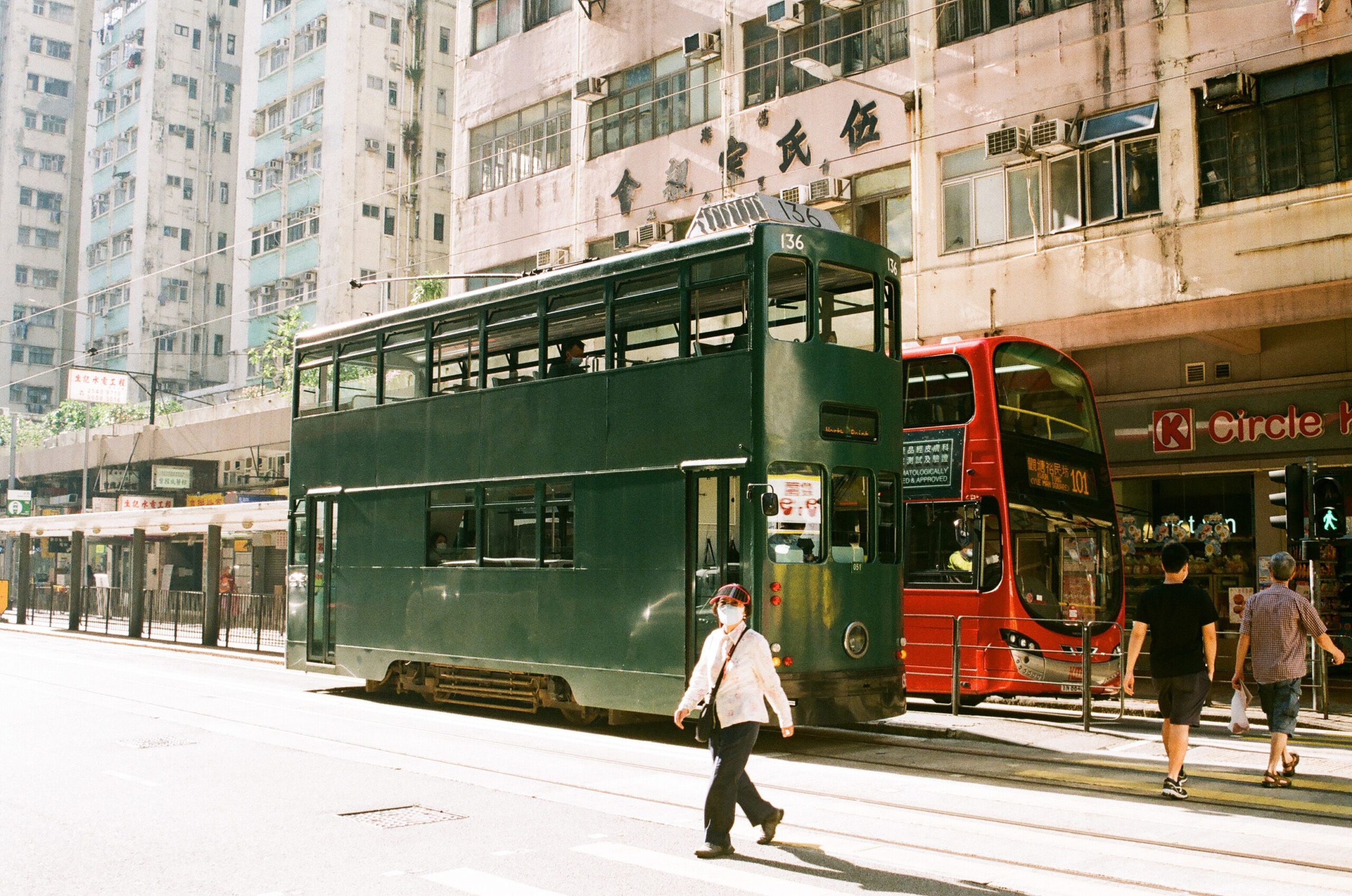
– **Urban Design and Accessibility**: Hong Kong’s compact urban setting, effective public transportation, and closeness to vital services may encourage active lifestyles among elderly residents. However, the advantages of these urban characteristics are intricate and can differ widely across varying demographics within the city.
**Health Span Versus Life Expectancy**
– **Clarifying the Difference Between Longevity and Health Span**: Elevated life expectancy does not necessarily imply a healthy quality of life in older age. It is crucial to differentiate between living a long life and living a fulfilling one, as health disparities may still persist, particularly across different neighborhoods.
**Wider Implications**
– **Difficulties in Identifying Specific Causes**: While economic wealth and diminished smoking-related deaths enhance Hong Kong’s longevity, the precise contributions of individual factors such as urban design or access to healthcare have yet to be completely assessed.
– **Population Trends and Personal Health**: Trends observed at the population level should not be misconstrued as definitive indicators of individual health outcomes; personal health choices and risks should always be discussed with qualified healthcare professionals.
In conclusion, Hong Kong’s exceptional life expectancy is a result of a confluence of social, economic, health, and environmental factors rather than relying on a singular cause. Grasping these interactions can inform health policies and urban planning, although replicating similar conditions in other locations may not produce identical results.