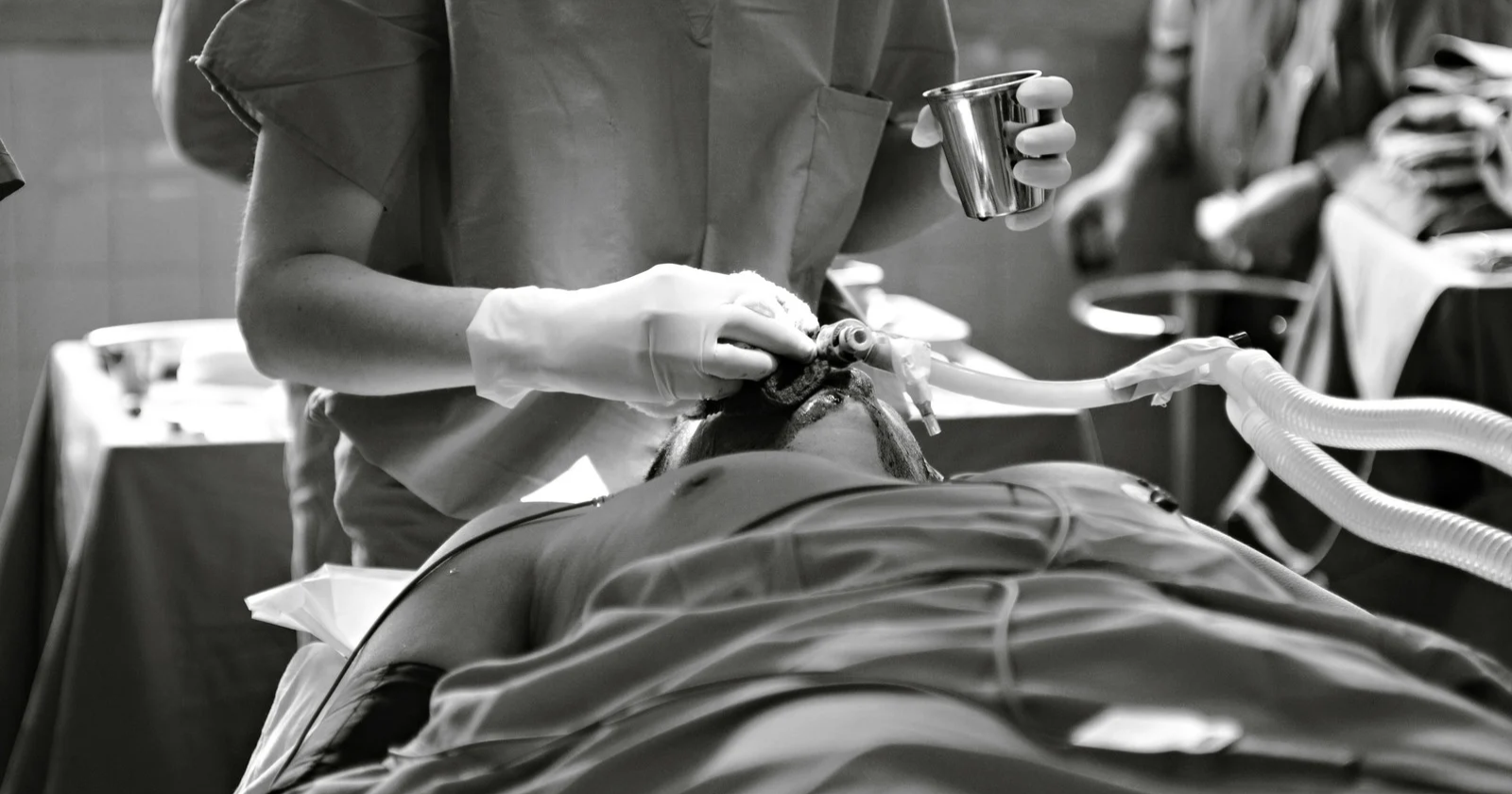
On the morning of November 29, 1944, within an operating theater at Johns Hopkins Hospital in Baltimore, a groundbreaking surgical procedure was on the verge of occurring. A 15-month-old girl named Eileen Saxon, afflicted with a congenital heart defect known as tetralogy of Fallot, awaited an operation that had never before been performed on a human being. Her condition, which involved a group of heart defects, led to inadequate oxygenated blood reaching her body. This was evidenced by her cyanotic blue lips and nails, a condition referred to in medical terms as cyanosis.
Alfred Blalock, the chief surgeon at the hospital, was prepared to carry out the operation with instruments ready. However, a key figure in this medical advancement was neither scrubbed in nor given official credit: Vivien Thomas, a Black laboratory technician without a college education, stood on a step stool behind Blalock. Although Thomas did not physically interact with the patient during the procedure, his contribution was essential. He had practiced the operation multiple times in a laboratory environment, with Blalock serving as his assistant.
The success of this procedure was heavily dependent on earlier animal studies. The innovative surgical technique developed by the pair involved creating a shunt that redirected blood to the lungs to enhance oxygen levels. The left subclavian artery, which typically delivers oxygen-rich blood to the arm, was rerouted to the left pulmonary artery, allowing more blood to flow through the lungs for oxygenation. While this groundbreaking “plumbing” maneuver did not rectify the defect, it provided crucial time for young patients.
Despite Vivien Thomas’s significant role in crafting the procedure, the first publication detailing the operation, co-written by Blalock and pediatric cardiologist Helen Taussig, omitted any mention of Thomas. Previously, Thomas had been improperly categorized as a janitor on Vanderbilt’s payroll, despite his contributions as a laboratory technician. This misclassification impacted his recognition, likely due to the deep-rooted racial and societal biases of the time.
Thomas’s foray into medicine commenced in Nashville, where the Great Depression dashed his dreams of attending college and medical school. He began working as a laboratory assistant under Blalock at Vanderbilt. His responsibilities went beyond this designation, particularly when he was asked to replicate cardiac defects in dogs at Blalock’s direction, ultimately honing the surgical technique that would go on to save many lives.
Although Blalock supported Thomas in various ways, he frequently conformed to the societal norms of the era, hindering Thomas’s recognition. Despite acknowledgment from colleagues and mentees at Johns Hopkins, it was not until many years later that Thomas received formal recognition. In 1976, he was awarded an honorary doctorate, and the operation he helped develop was partially renamed to honor his contributions.
Vivien Thomas’s legacy stands as a tribute to his expertise, determination, and the gradual yet eventual acknowledgment of his role in revolutionizing pediatric cardiac surgery. It took 79 years from the operation on Eileen Saxon for the medical community to fully honor him, rebranding the procedure the Blalock-Thomas-Taussig shunt—a designation that reflects Thomas’s pivotal role in this landmark medical achievement.