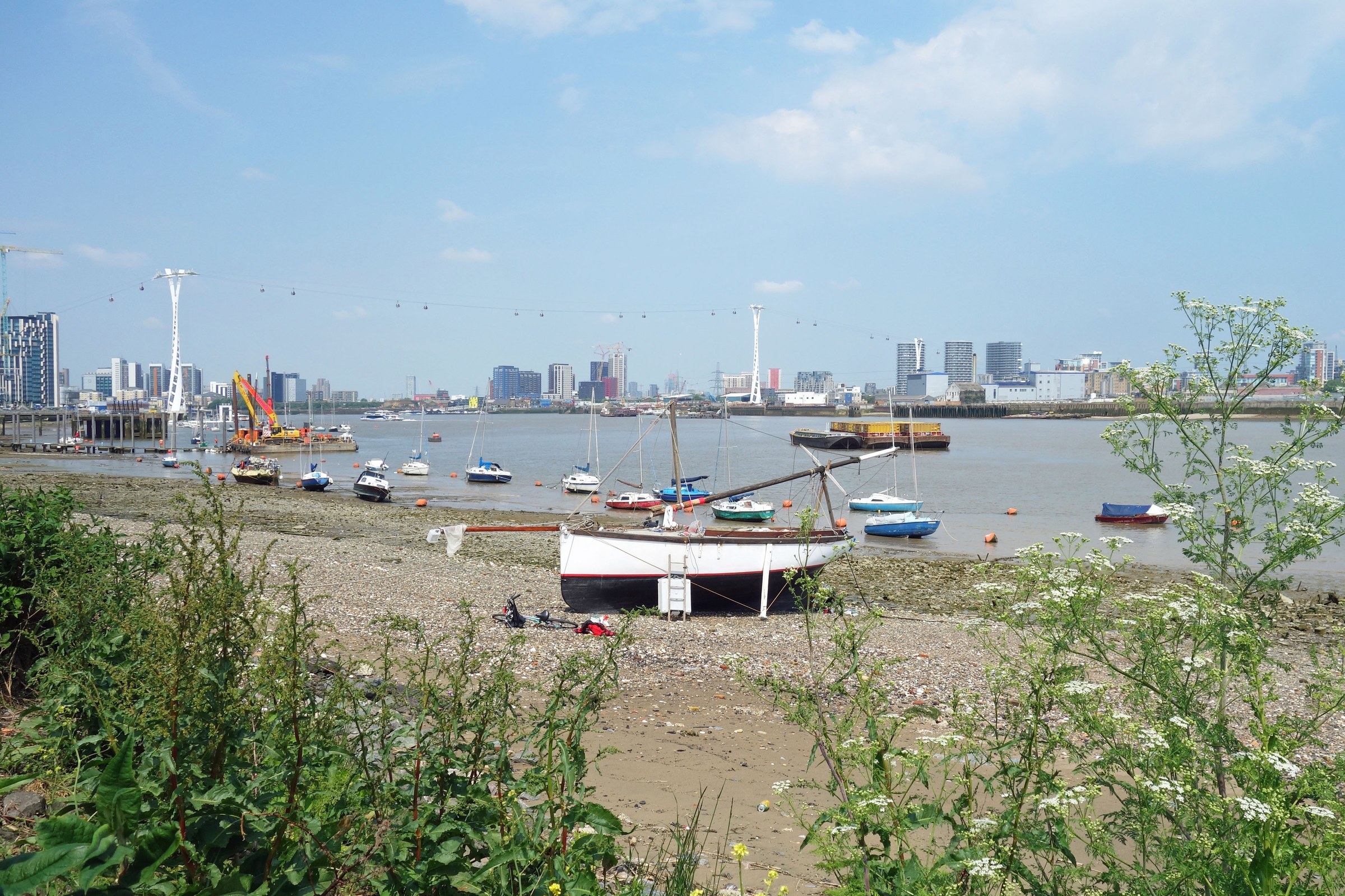
The Tidal Thames: A Success Narrative with Potential for Enhancement
The Tidal Thames, an ever-changing segment of the River Thames that rises and falls with tidal movements, has undergone astonishing ecological changes over the years. Once deemed biologically dead in 1957 with no fish species recorded, the river now features more than 115 species, as reported in the “State of the Thames 2nd Edition” released in January 2026 by the Zoological Society of London (ZSL).
This revival is widely regarded as a success narrative, showcasing notable environmental advancements. Nevertheless, the average number of species captured per seine-net sample in the upper and middle sections has seen a modest decrease since 1992. This metric, derived from Environment Agency samples, indicates the average count of distinct fish species caught per net retrieval. The reduction may be linked to shifts in sampling techniques or external factors influencing fish populations, necessitating further investigation.
Mike Elliott, a specialist in estuarine and coastal sciences, pointed out that fish serve as excellent indicators of water quality, raising concerns regarding unregulated sewage discharges impacting the river’s condition. In spite of these obstacles, the peak count of species suggests a stable environment suitable for such an estuary, as per Elliott.
The report further underscores the presence of various marine life, including juvenile short-snouted seahorses and three species of sharks found within the Greater Thames Estuary. Seal populations are monitored between Gravesend and Felixstowe, revealing a decrease in harbour seals but an increase in grey seals.
Substances like nitrate, predominantly from sewage and industrial sources, have been recognized as long-term factors contributing to degradation; however, dissolved oxygen levels have improved due to initiatives like the Thames Tideway Tunnel. The river also harbors 92 bird species, enhancing its rich biodiversity.
The resurgence of the Tidal Thames stands as evidence of environmental resilience, yet the persistent challenges highlight the necessity for ongoing conservation efforts and research to preserve and enhance its ecological equilibrium.