**Comprehending Buruli Ulcer and Its Difficulties**
Buruli ulcer is a serious dermatological condition stemming from the bacterium Mycobacterium ulcerans. This bacterium, which is closely related to those responsible for tuberculosis and leprosy, begins infection as a painless lump or swelling. Soon after, this can advance into a damaging ulcer that may cause skin and tissue destruction, leading to permanent scarring and disability if not treated. It is notably prevalent in Victoria, Australia, especially in the areas surrounding Melbourne.
**Transmission and Dissemination**
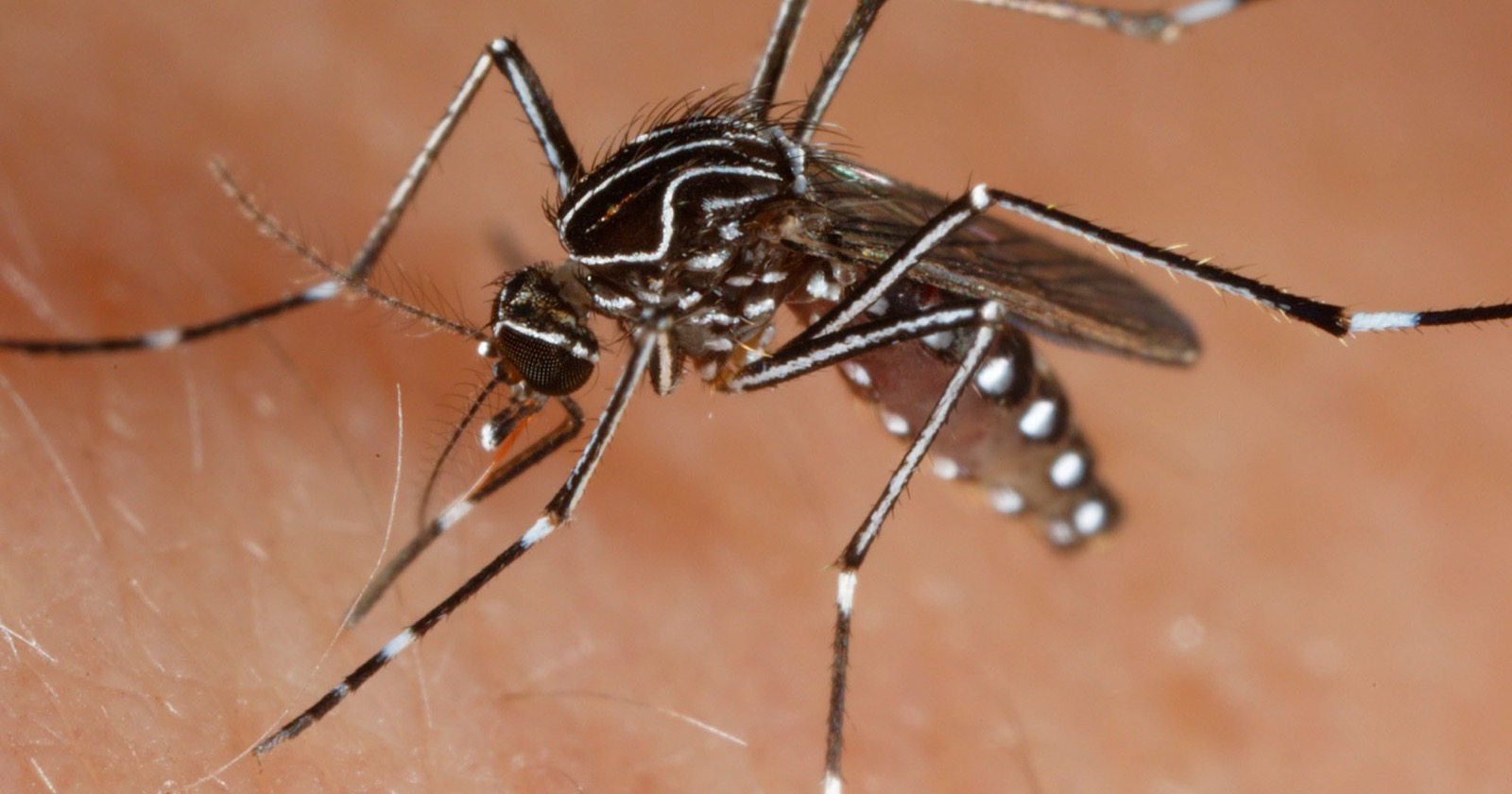
The method of transmission has remained elusive for a long time. Nonetheless, recent research has revealed that in Victoria, possums are instrumental as they carry the bacteria and excrete it through their feces. The infection cycle is thought to involve Aedes notoscriptus mosquitoes, which are common in urban gardens, transferring the disease from possums to human beings. Therefore, managing mosquito populations could be essential in reducing human infection incidents.
**Mosquito Management Approaches**
To reduce the incidence of Buruli ulcer, researchers initiated a study using mosquito traps known as In2Care stations in certain suburbs of Melbourne. These traps were created to eliminate mosquitoes through the use of pyriproxyfen, a larvicide, and Beauveria bassiana, a fungus harmful to adult mosquitoes. The study showed a significant decrease in mosquito eggs in treated regions compared to control locations, suggesting effectiveness in lowering mosquito populations.
**Complications and Uncertainties**
Nonetheless, assessing the effect of mosquito control on human cases of Buruli ulcer proved to be more intricate. The study primarily concentrated on mosquito populations; hence, the link to disease prevalence remains ambiguous. Comparisons of infection rates before and after the study revealed inconclusive differences between treated and untreated areas, highlighting the necessity for more research to establish a clear connection.
**Ecological Considerations**
The mosquito traps, while successful against mosquitoes, could endanger other aquatic organisms due to the potential dissemination of pyriproxyfen. Furthermore, the fungus utilized in these traps could impact non-target insects, especially those sharing resources like flowers with mosquitoes. Therefore, widespread application demands careful evaluation to avoid ecological disruptions.
**Future Pathways**
Although promising, additional studies and trials are vital to verify the effectiveness of mosquito traps in averting Buruli ulcer. Understanding their larger environmental ramifications is also essential. In the meantime, residents in impacted regions are recommended to adopt preventive strategies such as using repellents, maintaining screens, and eliminating mosquito breeding sites around their residences.