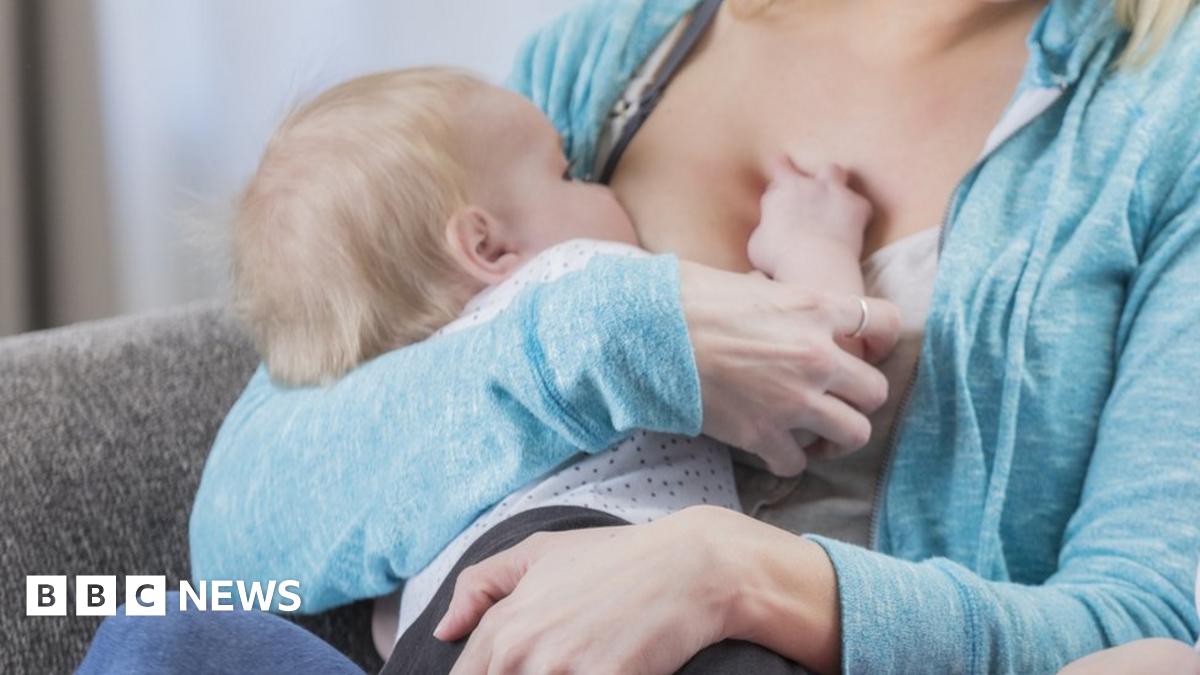
The lactation consultant skips over this aspect. Amidst guidance on latching and nipple cream, it’s overlooked that breastfeeding could influence your mental health by the time your child reaches fifth grade. It may seem far-fetched. However, a study of 168 Irish mothers over a decade indicates otherwise.
Women who engaged in breastfeeding demonstrated a lower likelihood of reporting depression or anxiety at the ten-year mark. Each week of exclusive breastfeeding reduced the odds by approximately 2 percent. It may seem minor, but that’s on a weekly basis. After six months with two children, you’re looking at a significant difference.
The results originate from the ROLO cohort at University College Dublin, published in BMJ Open. Participants had an average age of 42 during the final evaluation. Thirteen percent reported experiencing current depression or anxiety.
Familiar Insights, Fresh Timeline
That breastfeeding may protect against postnatal depression? We were aware of that. Hormones, oxytocin, skin contact. The real question was whether any benefits persisted after the haze lifted and infants began sleeping through the night.
It appears they might. Thirty-seven percent of these women had breastfed for at least a total of one year across their children. Those facing mental health challenges at the decade mark were consistently those who had breastfed less or not at all.
“The discovery that breastfeeding could lower mothers’ risk of depression and anxiety in later life is quite thrilling and provides another compelling reason to encourage mothers to breastfeed,” states Professor Fionnuala McAuliffe.
McAuliffe oversees obstetric research at UCD. She advocates for policy changes. Improved maternity leave, breast-pumping facilities at workplaces. If the findings hold up, it will be increasingly difficult to argue against.
Correlation at Work
Here lies the challenge. Women who are already experiencing depression or anxiety find breastfeeding more difficult. The same factors that facilitate prolonged nursing—adequate leave, supportive partners, considerate employers—also independently contribute to better mental health. Distinguishing cause from correlation? Good luck with that.
The anxious women at the ten-year mark were younger at the outset and also less active. These initial discrepancies complicate matters. While statistical adjustments may help, they don’t solve everything.
Nonetheless, something is occurring. The hormones, the enforced breaks amidst otherwise hectic days, the physical intimacy nursing entails. Whether this fosters resilience or merely accompanies other protective factors remains unclear to the researchers. They refer to “bidirectional” effects, mainly suggesting that the relationship flows both ways and they are uncertain which is more significant.
Mothers should not interpret this as a certainty. However, those demanding early months may leave lasting impressions that only manifest years later. Or they may correlate with other influencing factors. Separating these two issues is genuinely challenging, and this study does not claim to have resolved it.
DOI: 10.1136/bmjopen-2024-097323
If our coverage has informed or inspired you, please consider contributing. Every donation, regardless of size, enables us to keep providing accurate, engaging, and reliable science and medical news. Independent journalism requires time, effort, and resources—your support is crucial to continue uncovering the stories that matter most to you.
Join us in making knowledge accessible and impactful. Thank you for your support!