Remove enough forest, and the mosquitoes remain. They simply alter their diet. Scientists working in the remnants of Brazil’s Atlantic Forest have discovered that local mosquitoes are predominantly feeding on humans, not because they prefer us, but due to our availability now that the birds and mammals have disappeared.
The team, affiliated with the Oswaldo Cruz Institute in Rio de Janeiro, dedicated months to trapping insects at two protected locations during dusk. They amassed over 1,700 mosquitoes from 52 different species. Next came the laboratory analysis: extracting blood from engorged females and performing genetic tests to determine their dietary sources.
Only 24 samples yielded clear results. Eighteen of those were identified as human blood.
The technical aspect was complicated
From 145 blood-laden mosquitoes, DNA analysis was successful for only 24. This translates to a success rate of roughly 16 percent, which the researchers acknowledge is disappointingly low. Some samples were excessively degraded, while others had blood from multiple hosts, complicating genetic barcoding. A few mosquitoes had dined on a human and then a bird, or a dog followed by another source.
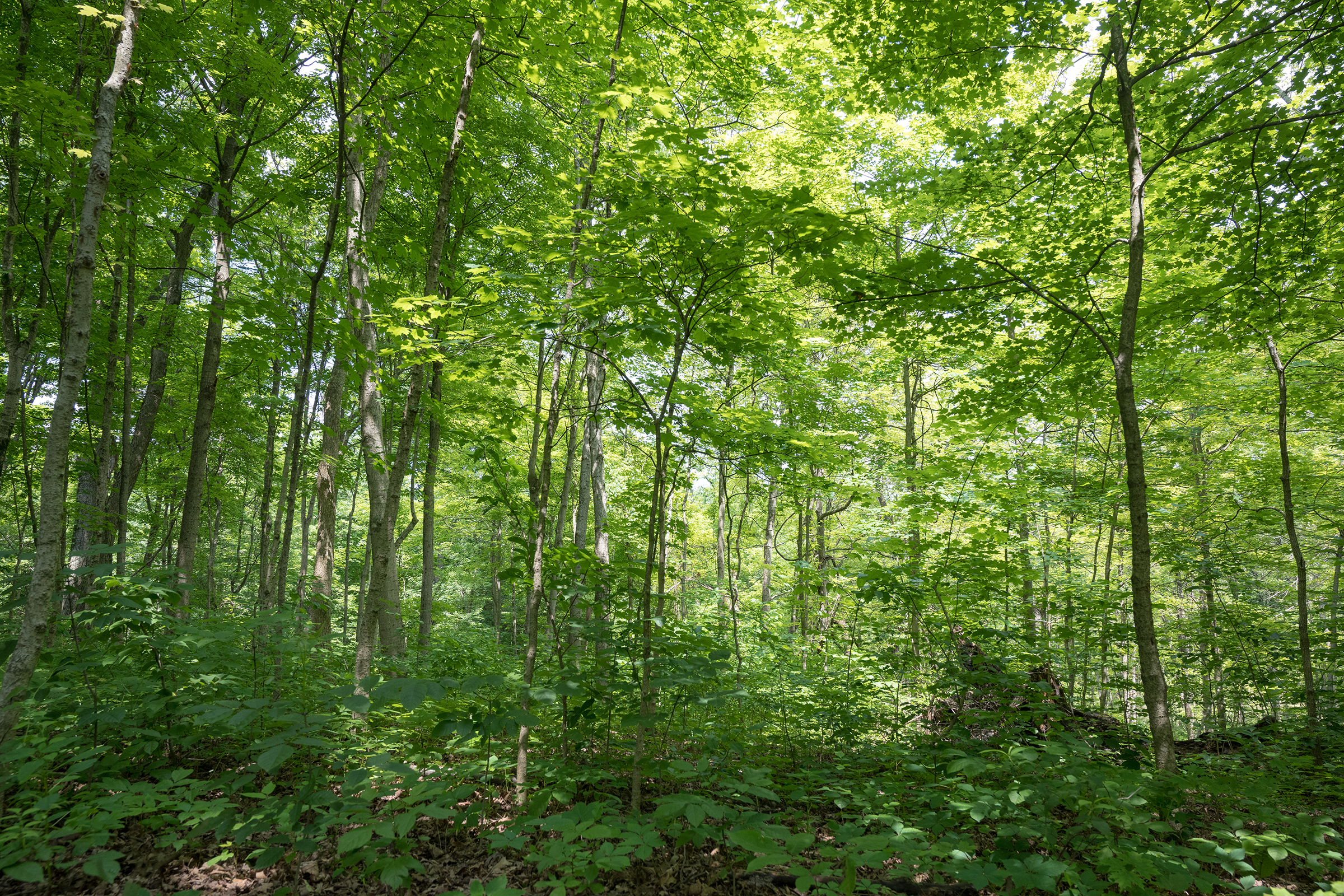
The Atlantic Forest once stretched along Brazil’s coastline. Currently, roughly one-third remains, fragmented by roads, agriculture, and urban areas. Species that require extensive territories have largely vanished from these remnants. Sergio Machado, a microbiologist at the Federal University of Rio de Janeiro, argues that the mosquitoes are merely adapting.
“With fewer natural choices available, mosquitoes are compelled to seek out new, alternative blood sources,” Machado states.
Which includes us.
Why this is significant beyond the irritation
These are more than just bothersome biters. The area hosts mosquitoes capable of transmitting yellow fever, dengue, Zika, chikungunya, Mayaro virus, and Sabiá virus. If insects that historically fed on various species begin to focus on humans, the risk for disease transmission escalates. More bites equate to higher chances for a pathogen to transfer.
Jeronimo Alencar, the senior author and a biologist at Oswaldo Cruz, emphasizes the importance of preference. In a diverse forest, a mosquito has options. When it opts for humans anyway, that’s when public health officials need to take notice. However, when humans are the only plentiful host remaining, the mosquito isn’t making a choice. It’s left with no alternatives but to feed on us.
The research, published in Frontiers in Ecology and Evolution, carefully addresses its limitations. The low identification rate indicates that the overall picture is incomplete. Mixed meals suggest that certain mosquitoes are opportunistic enough to bite anything that comes their way. Enhanced molecular tools might uncover feeding behaviors that current methods fail to detect.
Nonetheless, the trend is sufficiently clear. Forests that lose their wildlife become more hazardous for people living nearby. The researchers contend that tracking what mosquitoes consume could highlight regions where disease outbreaks are more probable. Safeguard biodiversity, and you safeguard humans as well.
DOI: https://doi.org/10.3389/fevo.2025.1721533
If our reporting has enlightened or motivated you, we invite you to consider making a donation. Every contribution, regardless of size, empowers us to continue providing accurate, engaging, and reliable science and medical news. Independent journalism demands time, effort, and resources—your support ensures we can keep uncovering the stories that matter most to you.
Join us in making knowledge accessible and impactful. Thank you for your solidarity!