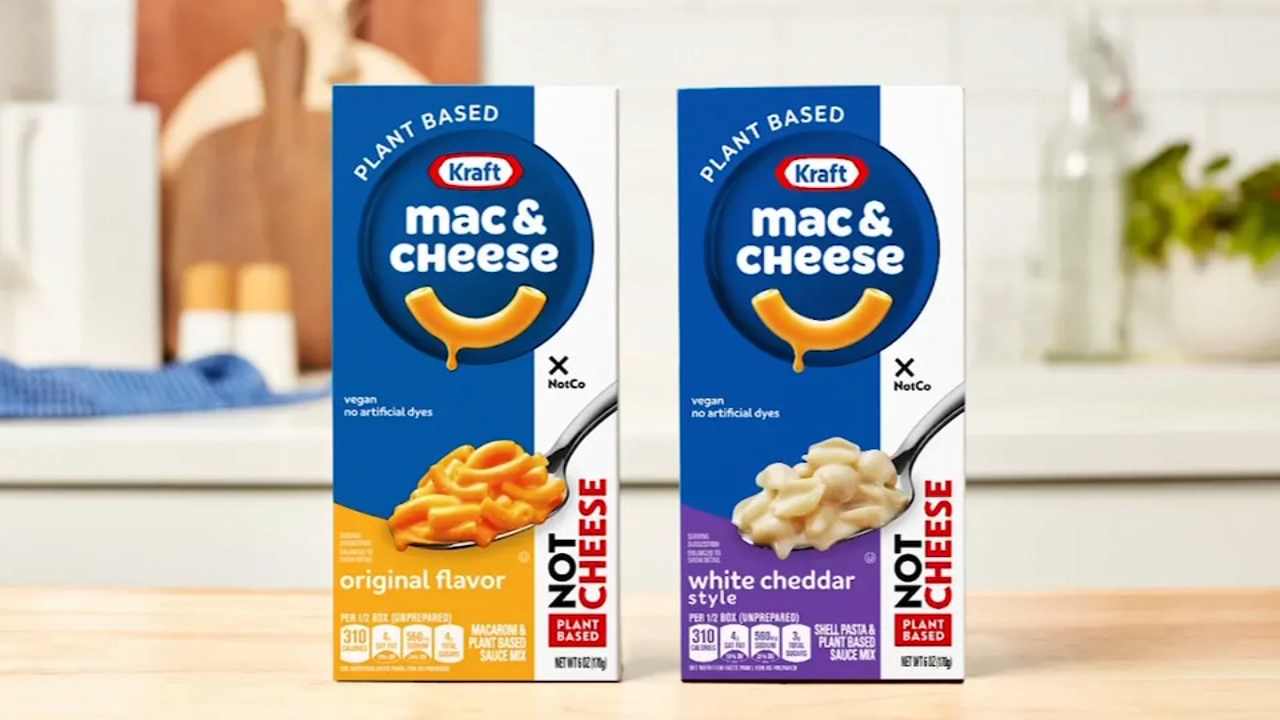
**US Health Secretary Robert Kennedy Jr Acts Against Artificial Food Colorants**
Recently, US Health Secretary Robert Kennedy Jr has urged regulatory agencies to focus on the removal of artificial food colorants, igniting considerable debate within the food sector. These artificial colorants, frequently sourced from petroleum, are facing criticism due to their potential health risks. Kennedy’s statement refers to these substances as “toxic,” leading some US food manufacturers to shift towards natural substitutes even ahead of official regulations enforcing such transitions. Although based on health issues, it raises questions about whether this policy change is genuinely supported by scientific evidence or influenced by political agendas.
### Why Are Artificial Food Colorants Being Questioned?
The FDA has announced its goal to eliminate petroleum-based artificial colorants, combining regulatory actions with voluntary cooperation from the industry. Product labels now feature the claim ‘no artificial food colors’ for those free of these artificial dyes, indicating a rise in consumer consciousness and a desire for transparency.
The FDA’s plan to withdraw specific colorants, including Citrus Red 2 and Orange B — both primarily outdated in the market — represents the initial phase of a broader reassessment of the remaining six dyes in use, such as Green 3 and Red 40. These regulatory steps are in line with restrictions observed in the EU and the UK, where similar dyes have either been unapproved or are accompanied by warnings due to potential health hazards.
### Use and Issues Associated with Artificial Colorants
Bright artificial colorants are present in approximately 20% of food products in the US, predominantly in the candy and beverage industries. These are especially preferred in items aimed at children, a group more vulnerable to the negative behavioral impacts of these dyes.
Studies, including controlled research from the University of Southampton, suggest that these colorants might influence children’s behavior, leading to advocacy for labeling modifications in Europe that emphasize potential effects on children’s activity levels and focus. Such scientific insights are crucial in prompting regulatory changes and voluntary industry reforms in the US.
### Global Regulatory Views on Artificial Colorants
Globally, the strategies for regulating artificial colorants differ significantly. The EU, following research akin to that undertaken in the UK, has mandated warning labels for certain dyes. The UK has largely adhered to voluntary bans to evade the necessity for such warnings.
Contrasts are marked in the treatment of these colorants: Green 3 is prohibited in the EU and UK, while the two blue dyes continue to be allowed. The EU’s persistent review of approved food colorants aims to balance consumer safety with the operational needs of the industry.
### Historical Background and Future Consequences in the US
Various states in the US have begun implementing bans on colorants such as Red 3, anticipating comprehensive FDA-wide restrictions based on potential cancer risk. Nevertheless, solid evidence connecting these colorants to serious health threats is limited, mainly relying on animal testing and inferential statistics.
### Questioning the Evidence of Adverse Health Effects
The discussion persists regarding the degree of danger posed by artificial colorants. Although rodent studies indicate possible risks, applying these results to human situations is complicated. The FDA and EFSA’s thorough assessments endeavor to guarantee consumer safety without hindering industry creativity.
Research initiatives are ongoing worldwide, aiming to provide conclusive insights into the health repercussions of artificial colorants, potentially resulting in further regulatory adjustments or the application of clauses like Delaney in the event of significant evidence.
### Alternatives and Industry Viewpoints
The food sector confronts the task of moving towards naturally-sourced colorings. While artificial colorants provide economic benefits and consistency, consumer inclination is shifting towards options perceived as healthier and more ‘natural.’
Natural colorants, such as those obtained from algae or beetroot, are gaining regulatory endorsement, indicating a larger movement towards sustainable and safer food production methods.
### Conclusion
The drive to regulate artificial colorants in the US symbolizes a fusion of consumer advocacy, scientific exploration, and regulatory scrutiny. As new information surfaces and consumer preferences change, the food sector continues to evolve, maintaining product safety and catering to the public’s desire for transparency and health-oriented selections.