A newly created photocatalyst has demonstrated potential in transforming plastic waste into hydrogen and useful chemicals, while also utilizing car battery acid. This breakthrough provides a sustainable recycling approach for polymers such as polyurethane, polyethylene-terephthalate (PET), and nylon.
Lead author Erwin Reisner from the University of Cambridge describes that solar reforming technology leverages sunlight to convert waste materials into clean chemicals. In the past, deconstructing polymers into their basic components posed difficulties due to dependence on unsustainable alkaline environments or slow enzymatic breakdown. The recently introduced molybdenum–cobalt photocatalyst exhibits greater stability in acidic conditions, marking an advancement over previous techniques.
This method expands waste valorization, which was previously limited to PET, to encompass other condensation polymers like polyurethane and nylon. These plastics are frequently present in packaging, coatings, and textiles, emphasizing the need for effective recycling solutions, as highlighted by Alexandra Barth, a photocatalysis specialist at North Carolina State University. At present, plastic pollution remains an issue due to insufficient recycling methods and pervasive non-selective incineration.
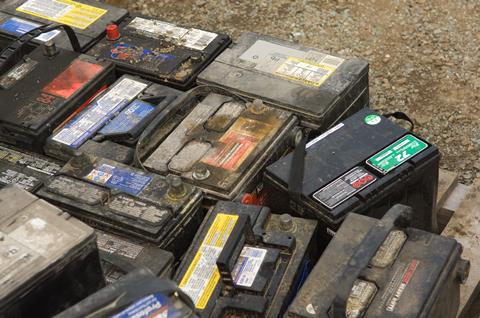
The research involved employing acidic depolymerization to decompose plastics into monomers, subsequently converting these into products such as hydrogen and acetic acid. The molybdenum–cobalt catalyst, powered by visible light, utilizes readily available materials and facilitates the recycling of battery acid, thereby enhancing its feasibility according to Barth.
Nevertheless, the process necessitates concentrated acid, continual light exposure, and elevated temperatures, rendering it hazardous and energy-consuming. Although it is not yet applicable to polyolefins like polyethylene and polypropylene, which are prevalent in plastic waste, the method is still under development.
The research team has carried out economic evaluations indicating substantial potential for generating valuable products. They have partnered with plastic recyclers and are advocating for patenting through Cambridge Enterprise. Reisner, co-founder of the University of Cambridge spin-off Protonera, is hopeful about the potential of the plastic repurposing process to advance a circular economy and produce valuable chemical products.