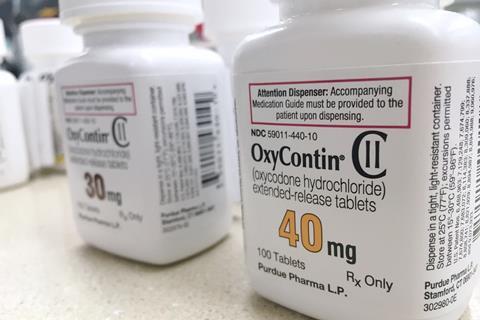
On April 28, a significant verdict from a US federal court resulted in Purdue Pharma being ordered to pay more than $5 billion in criminal fines due to its aggressive and deceptive marketing of opioid medications such as OxyContin, which has played a major role in the opioid addiction crisis in the US. This decision facilitates Purdue’s sanctioned bankruptcy arrangement, which seeks to resolve lawsuits from various state, local, and tribal authorities, along with thousands of individuals affected by OxyContin’s promotion.
This judicial agreement entails the dissolution of Purdue and the establishment of a new non-profit organization, Knoa Pharma. The funds generated by Knoa Pharma are aimed at supporting initiatives to alleviate the continuing effects of opioid addiction. Furthermore, the Sackler family, the owners of Purdue, will pledge up to $7 billion over the following 15 years. Payments to individual victims are anticipated to be between about $8,000 and $16,000. Nevertheless, the Sacklers are insulated from additional lawsuits from those claimants who agree to the settlement, although they are not completely shielded from future legal actions.
Yet, this settlement does not encompass a significant number of individuals impacted by Purdue’s medications. Revisions to the eligibility requirements now necessitate claimants to submit documentary proof of prescriptions or medical records, considerably diminishing the pool of eligible claimants from the original 140,000. Numerous potential claimants do not have access to such documents due to the elapsed time, and individuals who procured OxyContin unlawfully are no longer qualified based on sworn statements.
For many victims and their families, monetary compensation does not equate to justice. There is an enduring desire among some to see the Sackler family face personal charges, yet such legal proceedings would likely be lengthy and expensive. The majority of claimants have agreed to the present settlement to bring an end to the lengthy legal struggle, which has placed many under the burden of escalating legal costs and to initiate the distribution of funds intended for opioid-affected communities.