**The Resignation of FDA Commissioner Marty Makary: A Pivotal Moment for the Agency**
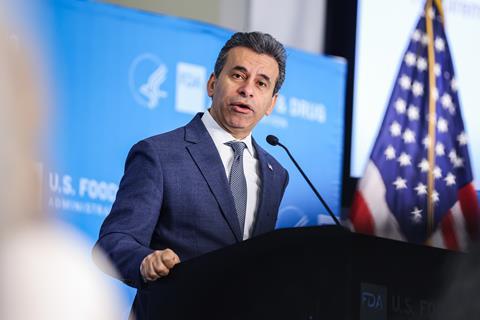
The recent exit of Marty Makary, the commissioner of the US Food and Drug Administration (FDA), on May 12, has signaled a major upheaval for the agency. This transition occurs against a backdrop of ongoing public tensions and internal strife, following President Trump’s return to power. The Biotechnology Innovation Organization (BIO), a key voice for the US biotech industry, has linked Makary’s resignation to these ongoing difficulties, underscoring the pressure and turbulence that the FDA has been enduring in recent months.
John Crowley, the leader of BIO, voiced his worries about the condition of the FDA, stressing the necessity for “strong, stable, and science-based leadership.” Taking over an agency already in crisis due to significant staffing changes initiated by the Department of Government Efficiency, Makary’s tenure was marred by numerous leadership shifts and contentious adjustments in drug approval processes. Crowley cautioned that these challenges could impede the U.S.’s standing in the international biotech competition, especially against China, calling for prompt actions to fortify the FDA in its mission to progress biomedical innovation and patient welfare.
President Trump’s communication regarding Makary’s resignation was somewhat conflicting. While offering thanks for Makary’s achievements through social media, he also alluded to the difficulties Makary encountered in his position during a media conversation. The interim leadership role has now been assigned to Kyle Diamantis, the FDA’s deputy commissioner for food, until a permanent successor is designated.
Reports indicate that disagreements over policy matters, such as the sanctioning of fruit-flavored vapes and the timing of a review for an abortion drug, played a part in the discord between Makary and the Trump administration. The tensions between the FDA and the White House highlight worries about the agency’s independence and the impact of political motives on scientific procedures and decision-making.
Analysts have characterized Makary’s tenure as commissioner as a notably chaotic era for the FDA, which has witnessed significant turnover in key roles. Since his induction, the FDA has seen approximately 3,500 employees leave, alongside multiple shifts in leadership within major departments like the Center for Drug Evaluation and Research and the Center for Biologics Evaluation and Research.
The underlying conflicts between the White House, the Department of Health and Human Services (HHS), and the FDA reveal a broader contention over the agency’s trajectory and autonomy. Chemjobber, a contributor to Chemistry World, highlights that both the White House and HHS seem to have conflicting priorities for the FDA, which might jeopardize the scientific credibility and established regulatory standards that have characterized the agency’s esteemed reputation globally.
In summary, the exit of Marty Makary from the FDA represents a crucial moment for reflection and possible reorganization. As the FDA grapples with leadership and structural issues, the wider scientific community and stakeholders are keenly observing how the agency will manage these challenges to uphold its role in advancing public health and ensuring regulatory excellence.