The European Union (EU) is poised to initiate major transformations to strengthen its inventory and production of vital medicines via the Critical Medicines Act (CMA). This initiative, reached in consensus by the European Parliament and representatives from member states in May, aims to encourage the manufacturing of essential medicines and their active ingredients within the EU. There is also speculation about similar frameworks being introduced for chemicals and additional sectors, although these remain in the early phases.
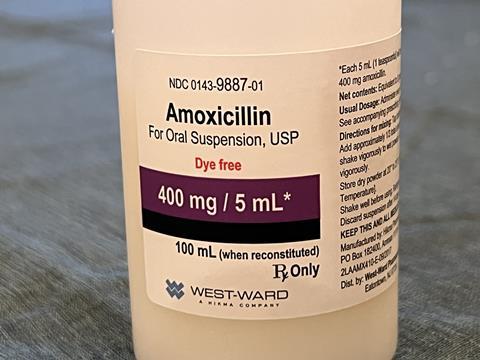
At present, a substantial share of generic medications is produced outside of Europe, mainly in China and India, which presents a supply risk. India frequently imports crucial precursors from China, exacerbating this dependency problem. The Swiss pharmaceutical firm Sandoz has recently called on the European Commission to evaluate imports of amoxicillin trihydrate from China. They contend that these imports result from unfair state subsidies and below-market prices, adversely affecting European production.
Stefano Riela, a specialist in EU economic policy and trade at Bocconi University, underscores that the EU’s dependence is not just on international suppliers but also on highly concentrated upstream production networks with suppliers that might not share political alignments. Once the text is approved by the EU Parliament and Council of Ministers, it will proceed to legal evaluations with an anticipated adoption in autumn 2026.
This action is part of a more extensive reassessment of the EU’s trade dependencies with China, in light of concerns over low-cost dumping. Trade economist Holger Görg from the Kiel Institute observes a transition from dependence on the most economical sources to addressing dependency issues. China is frequently accused of disregarding World Trade Organization (WTO) regulations and providing support to its companies through state intervention, a claim that is particularly challenging to substantiate at the international level.
In response to grievances, the EU initiated an unprecedented number of inquiries in 2024, tackling these concerns across various sectors, including chemicals. Businesses like Ineos have lodged antidumping allegations against Chinese imports, citing oversupply and low-cost exports that threaten local producers.
China’s pursuit of self-sufficiency has resulted in an oversupply that leads to competitive exports to Europe, with imports from China rising markedly. Richard Carter, a consultant for the chemical sector, highlights China’s long-term strategy towards autonomy.
The European Commission has reacted by establishing tariffs on certain Chinese imports after uncovering dumping activities. For example, antidumping levies were implemented on 1,4-butanediol imports from China and other nations.
As Chinese products encounter trade barriers in multiple countries, they are increasingly aiming for the EU market. Elvire Fabry of the Jacques Delors Institute advocates for stronger EU reactions, proposing financial incentives or new regulations to support EU industries.
Globalization and heightened specialization have produced vulnerabilities in supply chains, further aggravated by geopolitical tensions. Instances include China’s export licenses for rare earth elements, which impact worldwide supply chains.
The EU acknowledges the necessity for a balanced industrial policy to compete with global powers like China and the US. Proposals, such as mandating companies to source from diverse suppliers, are under consideration to alleviate dependence.
Despite actions taken by the US and others, China continues to be a leading force in global manufacturing, often wielding economic leverage in trade talks. The EU aims to tackle these obstacles through focused reshoring strategies and support for local industries under the Critical Medicines Act.
By implementing these strategies, the EU aspires to lessen dependency, boost domestic manufacturing capabilities, and sustain a competitive advantage in a shifting global economy.