**U.S. Research Community Confronts Uncertainty Due to Contentious OMB Regulation**
A suggested regulation from the White House Office of Management and Budget (OMB) that could empower political appointees with control over federal research grant allocations is encountering considerable opposition from the U.S. research and advocacy sectors. This regulation, set to take effect on October 1, raises alarms concerning the potential politicization of scientific funding, as it may allow appointees to channel resources according to political aims rather than scientific value. Furthermore, the regulation could impose limitations on the expenditure of funds for conferences, publication expenses, and global partnerships.
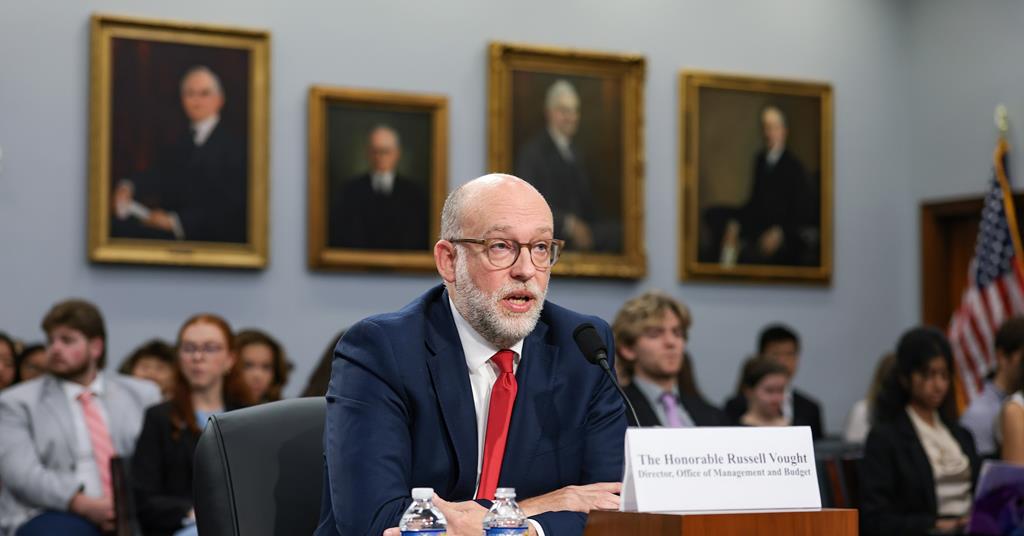
Throughout the public comment phase, which concluded on July 13, more than 70,000 remarks were submitted. In spite of pleas from scientific bodies such as the American Chemical Society (ACS) for additional time to compile feedback, OMB Director Russell Vought rejected the request for an extension.
During a session of the House Appropriations Committee, worries were expressed about the new regulation placing research financing in the hands of senior political appointees instead of professional scientists. The regulation requires appointees to conduct a pre-issuance examination of discretionary grants without adhering to peer review protocols. The ACS and other organizations have cautioned that these modifications could affect research dissemination and international partnerships.
A study by the nonprofit Stand Up for Science indicates that nearly half of the 10,000 ongoing clinical trials backed by agencies like the National Institutes of Health may face funding loss under the new regulation, which could result in cancellations.
At the same time, the National Science Foundation (NSF) has already proposed changes that align with the OMB regulation, drawing criticism for circumventing the public feedback window. House Science, Technology, and Space Committee’s leading Democrat, Rep. Zoe Lofgren, called for a reversal of these NSF changes, contending they weaken comprehensive community engagement.
This persistent controversy underscores the strain between scientific autonomy and political management, raising concerns that the new regulation could have extensive consequences for U.S. scientific inquiry and collaboration.