The Most Bizarre Aspect of the Narrative: Sampling Two-Billion-Year-Old Water
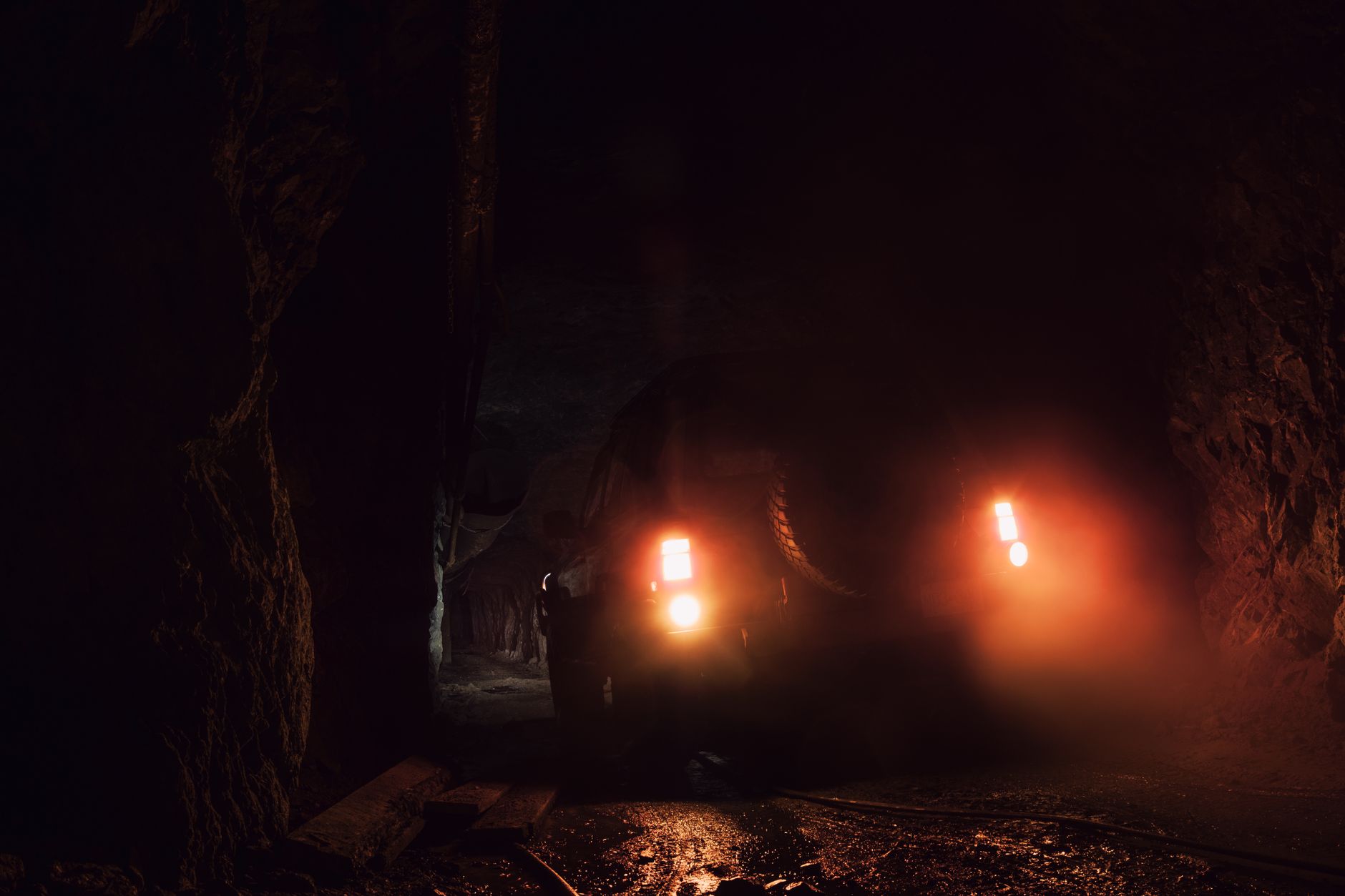
Barbara Sherwood Lollar, a geochemist at the University of Toronto, has engaged in groundbreaking research on ancient deep groundwater, specifically in the Kidd Creek mine system near Timmins, Ontario. This mine descends about three kilometers beneath the Earth’s surface, reaching deep into the Canadian Shield. In this hidden environment, water can remain shielded from surface impacts for billions of years.
The water found there was anything but clean. As noted by the Times of India, Sherwood Lollar even sampled this ancient water, characterizing it as highly salty and bitter—significantly saltier than ocean water. This flavor indicates a great deal about the water’s chemical composition; it had turned into a concentrated brine, enriched with dissolved minerals and gases from the surrounding bedrock.
Sampling the water offered a direct link to an almost unimaginable epoch. This water existed long before any animals, land plants, or even life forms that had developed the capacity to detect bitterness.
Establishing the age of this water heavily depends on noble gases like xenon, helium, neon, and argon. A 2013 Nature study, involving Sherwood Lollar, indicated a minimum mean residence time of 1.5 billion years for the Kidd Creek water, with connections to events occurring 2.64 billion years ago. Thus, the estimated age spans from 1.5 to 2.6 billion years, according to isotopic, rock, and chemical analyses.
What renders deep mine water ancient is its seclusion within the Canadian Shield’s deep crystalline rock. Unlike surface groundwater, which rapidly cycles through precipitation, lakes, and rivers, water in deep fractures gets entrapped and remains unaltered for geological epochs, allowing it to serve as a chemical archive.
This ancient groundwater also raises inquiries about life existing without sunlight. Within Earth’s crust, deep fracture systems might sustain life, utilizing chemical reactions instead of sunlight for energy. While the Nature study did not assert the discovery of ancient organisms in the water from Kidd Creek, it illustrated that life-supporting chemistry can endure for billions of years.
The flavor of the water, albeit striking, was not just a trivial experience. It highlighted a scientific principle long recognized by geologists: field observations, including taste, offer insights into chemical environments. The flavor acted as a concrete link to a water mass molded in darkness since before complex life arose.
Two billion years ago, Earth was predominantly microbial. The water from Kidd Creek predates animals, land plants, and the variety of life forms we recognize today. This lends deep context to tasting the water—a brief moment that connected a scientist to an incomprehensible past where taste held no significance.